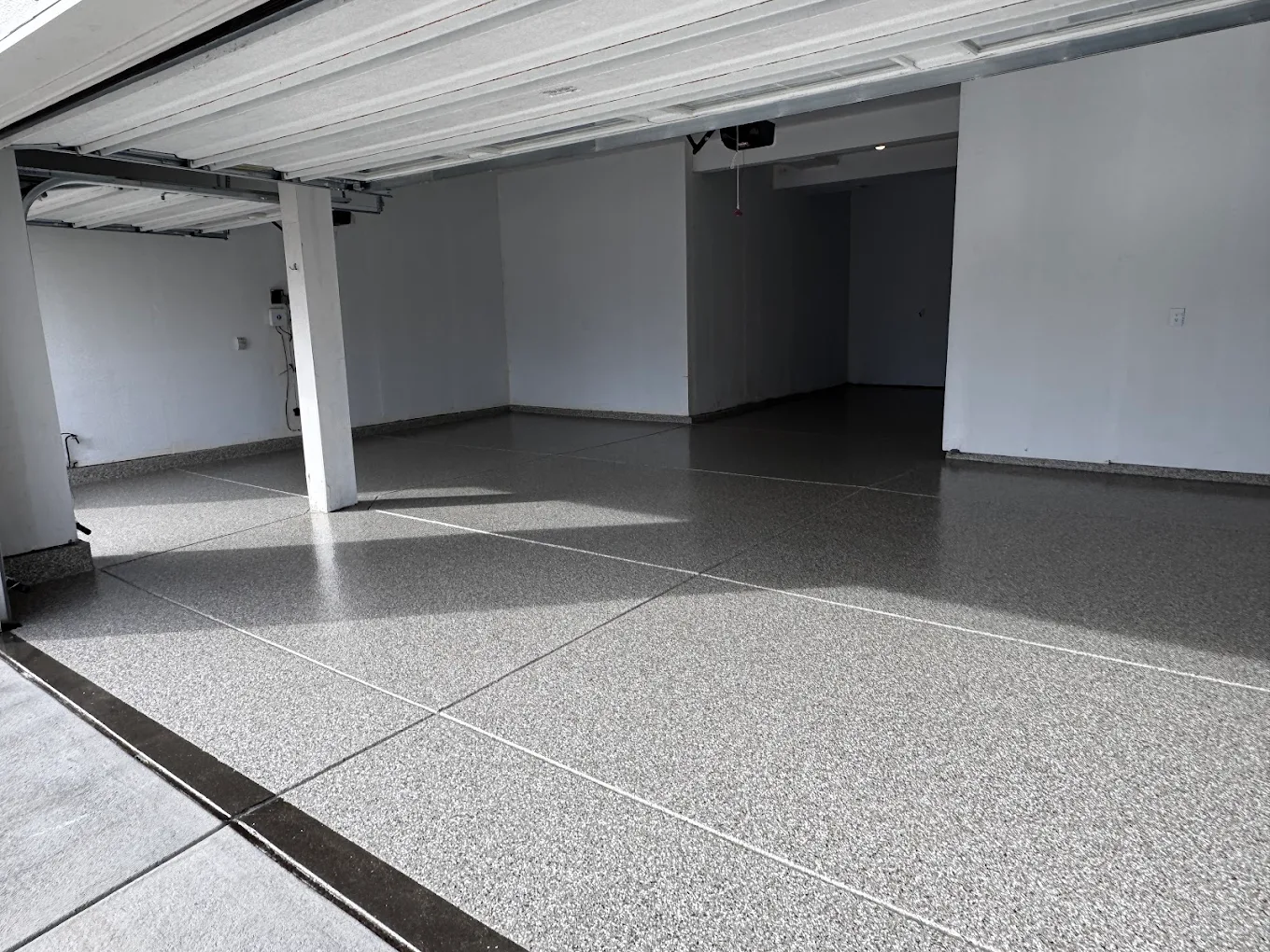
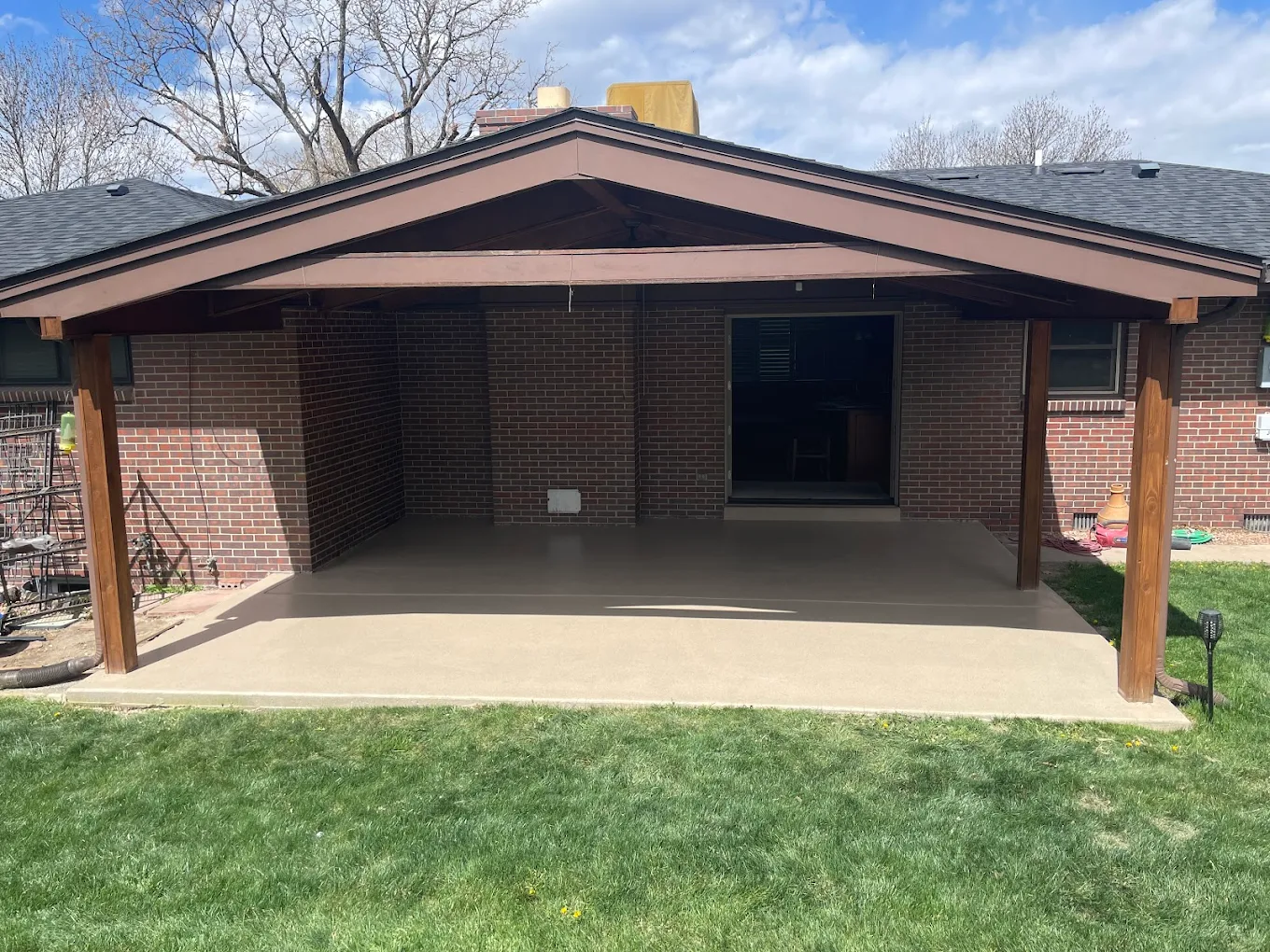
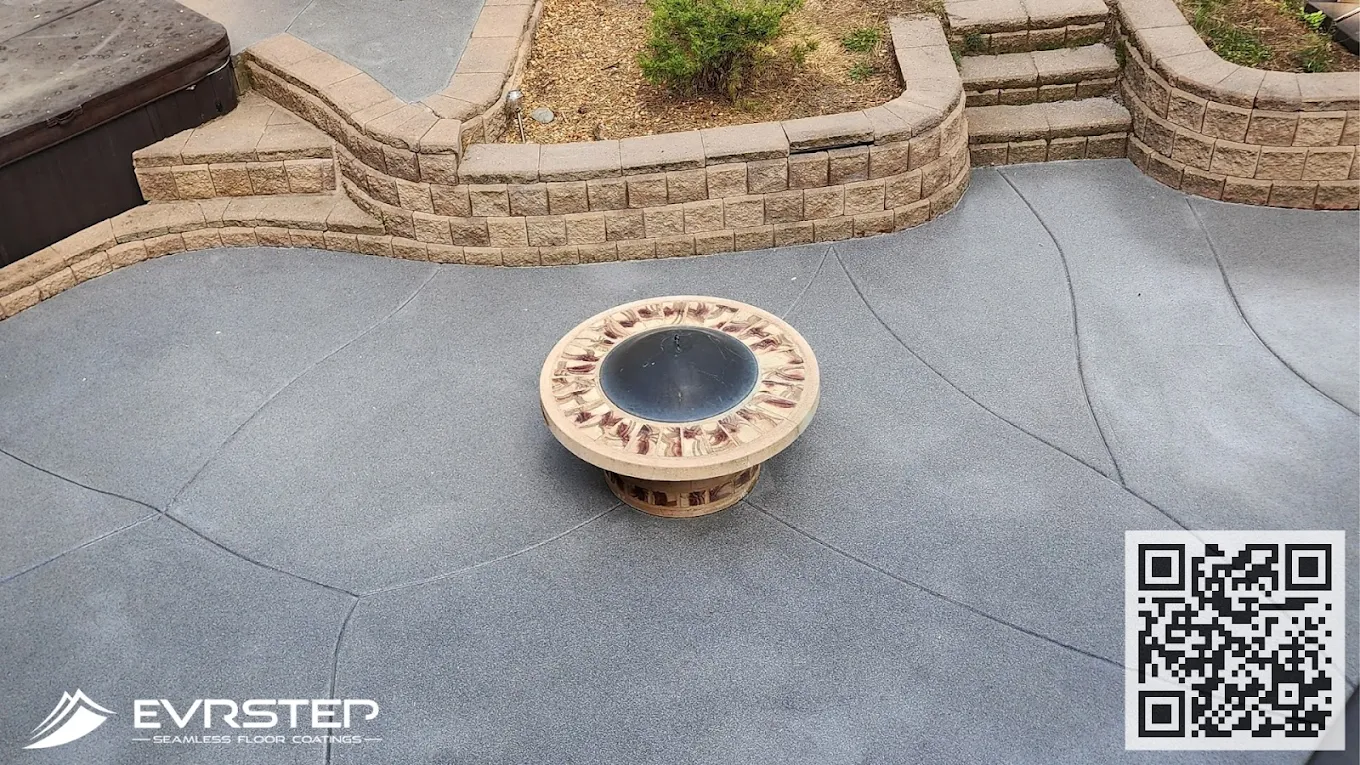
Epoxy floor installation can often appear pricey, leaving homeowners questioning why the costs are so high. Several factors contribute to this expense, such as premium materials, skilled labor, and extensive preparation processes. While the upfront cost might seem daunting, grasping the details of the installation process and recognizing the long-term advantages can shed light on the pricing.
As we delve into the key elements that influence the total cost, it becomes evident that epoxy flooring is more than just a surface treatment—it’s a comprehensive flooring solution that offers significant benefits in terms of durability and aesthetic appeal. Understanding these factors can help you appreciate the value of your investment and guide you toward making an informed decision for your home.
Material Costs and Epoxy Quality
When considering epoxy floor installation, material costs, and quality are crucial factors to keep in mind. Typically, the price for epoxy flooring falls between $2 and $12 per square foot, with premium options exceeding $15 per square foot. This broad price range mainly reflects the type and quality of the epoxy used, along with any additional custom features or protective measures that might be applied.
For example, choosing high-end coatings like polyaspartic can significantly boost both durability and visual appeal, making it a smart investment, especially in tough environments like Colorado. While durable epoxy and polyaspartic coatings might seem like the most budget-friendly choice, 100% solid epoxy floors actually provide superior durability and longevity, albeit with a higher upfront cost. In the long run, investing in quality materials can pay off, as lower-quality options often necessitate more frequent reapplications, leading to increased overall expenses.
Customizations can also greatly influence the final price of epoxy flooring. Decorative flakes, metallic finishes, and unique designs enhance visual interest but add to material and labor costs. Additionally, opting for sealant upgrades and protective coatings can elevate the final price by 20% to 30%. Although these enhancements come with a premium, they significantly improve the durability and lifespan of the flooring, potentially offsetting future maintenance expenses.
When weighing your options for epoxy flooring, it’s important to consider the balance between initial costs and long-term value. While it might be tempting to go for lower-quality materials to save money upfront, this choice can lead to higher expenses down the line due to more frequent repairs or replacements. Investing in high-quality epoxy and necessary protective measures can yield a more durable, long-lasting floor that offers better value over time.
Labor Charges and Expertise
When it comes to epoxy floor installation, labor charges significantly contribute to the overall costs, in addition to material expenses. Typically, professional installation fees range from $4 to $7 per square foot. This pricing reflects the specialized skills and tools necessary for proper application. Having skilled professionals on board is crucial for ensuring the flooring’s durability and longevity while also adhering to safety standards during the installation process.
The intricate nature of epoxy coatings, such as the 4-layered flake floor system, requires experienced labor and additional time, which can lead to increased labor costs. Professional installers are equipped with the knowledge to prepare surfaces effectively, mix components accurately, and apply the epoxy with precision, helping to avoid issues like peeling or improper adhesion that can arise from DIY efforts. Their expertise also enables them to tackle challenges that may occur during installation, resulting in a high-quality finish.
Regional labor rates can significantly influence the total installation costs. Urban areas or regions with a higher cost of living often see premium prices for skilled tradespeople. To get the best value, property owners should seek multiple quotes from reputable contractors. It’s essential to compare prices alongside experience levels and project portfolios. While labor charges may seem high, investing in professional installation often proves worthwhile in the long run by reducing the chances of costly repairs or premature replacements due to poor application.
Ultimately, the expertise of professional installers plays a vital role in achieving a durable and visually appealing epoxy floor that meets both functional and aesthetic expectations.
Floor Area and Size Impact
The size of your floor area significantly affects the overall cost of epoxy flooring installation, with prices typically ranging from $20 to over $100 per square meter. Larger spaces require more materials and labor, which can lead to higher expenses. For example, a 24×24 foot garage might cost around $4,320, while a 30×30 foot basement could set you back about $6,750.
When choosing a flooring company, selecting one with local expertise in flooring solutions can help ensure you receive top-quality service for your project. It’s important to consider not just the square footage but also the complexity of your space. Areas with intricate designs or features may incur additional preparation and installation costs.
Square Footage Pricing
Understanding how square footage affects epoxy floor installation costs is crucial for homeowners considering this upgrade. Generally, the cost per square foot for epoxy flooring falls between $3 and $12. As the area increases, so do the overall expenses, primarily due to the heightened demand for materials and labor. For example, a 576-square-foot garage might run around $4,320, while a 900-square-foot basement could reach approximately $6,750.
Contractors usually base their estimates on square footage pricing, making it important for homeowners to measure their spaces accurately. This helps clarify the potential costs of professional epoxy applications. The size of the area influences not only the expenses for materials and equipment but also the labor costs; larger installations often require more time and resources for preparation and application. For instance, a smaller 144-square-foot kitchen would typically incur a lower installation cost of about $1,080.
When planning home improvement projects that involve epoxy flooring, remember that costs will vary significantly depending on the dimensions of the space.
Large-Scale Project Considerations
Large-scale epoxy flooring projects come with distinct challenges and cost considerations due to their size. The installation cost is significantly influenced by the total floor area, as larger spaces require more resin and materials. While the average installation price per square foot can range from $3 to $12, the overall expense for large projects can escalate quickly because of the expansive area being covered.
Surface preparation is a crucial factor in these installations. The condition of the existing sub-base and any necessary repairs can substantially increase both labor and material costs. Accessibility issues in large spaces, such as uneven terrain or hard-to-reach areas, can also extend installation time and labor expenses. Furthermore, the complexity of installing epoxy flooring over extensive areas often means that multiple layers or specialized resin types are needed, which contributes to rising project costs.
These elements, combined with the requirement for thorough planning and execution, make large-scale epoxy flooring installations more challenging and expensive than smaller projects. To ensure the successful completion of these extensive undertakings, proper assessment and budgeting are essential.
Surface Preparation Requirements
Proper surface preparation is crucial for the success and longevity of epoxy floor installations. The quality of the existing sub-base significantly impacts installation costs; if conditions are poor, extensive preparation work may be necessary. This preparatory phase can involve patching, resurfacing, and thorough cleaning to create an ideal foundation for the epoxy application. In settings like industrial kitchens or showrooms, where hygiene and durability are vital, ensuring a solid surface is essential for achieving a seamless finish that enhances both aesthetic appeal and performance, particularly in terms of exceptional durability against moisture.
Surface preparation requirements differ based on the condition of the existing flooring. Dusty or debris-laden surfaces require additional cleaning, which can raise both labor and material costs. Moreover, uneven terrain poses risks for cracking or uneven flooring, leading to further expenses for leveling and stabilization before applying epoxy. These challenges highlight the importance of a thorough site assessment and preparation to prevent potential issues and ensure a durable, long-lasting epoxy floor.
The impact of proper surface preparation cannot be overstated, as it directly affects epoxy adhesion. Inadequate preparation can lead to peeling or premature failure of the epoxy layer, jeopardizing the integrity of the entire installation. To minimize these risks, professionals should invest time and resources into meticulous surface preparation techniques.
Site preparation costs typically range from $1 to $5 per square foot, making it a significant part of the overall installation expense. This variability reflects the diverse conditions encountered across different projects, underscoring the need for careful assessment and planning. By recognizing the importance of surface preparation and allocating the right resources, clients can ensure a high-quality epoxy floor installation that meets their expectations and stands the test of time.
Design Complexity and Customization
The complexity of epoxy flooring designs significantly affects installation costs. Intricate patterns and custom color blending often come with premium prices. Furthermore, incorporating various customizable finishes can enhance both the visual appeal and the overall expense of the project. Multi-layer designs introduce additional challenges, necessitating specialized techniques and extended labor hours to achieve the desired look.
Homeowners should be ready for notable increases in both material and labor costs when choosing highly customized epoxy floor finishes. These artistic elements can contribute as much as 30% to the total project cost.
Intricate Patterns Increase Costs
When it comes to epoxy flooring, intricate patterns, and custom designs can significantly raise installation costs. In fact, the complexity of these designs can lead to a 20% to 30% increase in prices compared to basic solid colors. This jump in cost is largely due to the requirement for skilled labor, which can drive labor expenses to between $4 and $7 per square foot for professional installation.
Adding decorative elements, like dyes and flakes, can further inflate the overall price. For instance, decorative flakes can cost around $10 per pound, while metallic epoxy options may add an extra $5 to $12 per square foot. Plus, incorporating multiple colors and geometric patterns can extend installation time, which directly affects the total project cost and may cause some disruptions along the way.
Having skilled labor on board is crucial for applying these complex designs accurately. Any mistakes during the application process might result in additional costs for repairs or reapplications, underscoring the value of experienced professionals. While intricate patterns and custom designs can greatly enhance the visual appeal of epoxy flooring, it’s essential for clients to consider the associated costs when planning their projects.
Custom Color Blending Expenses
Custom color blending in epoxy flooring not only enhances the visual appeal but also increases the overall installation cost. This process demands skilled labor and additional time to create intricate designs, which contributes to higher labor expenses. Additionally, the use of dyes and pigments during application adds to material costs; basic coloring options are generally more affordable than elaborate custom designs.
Decorative elements like metallic finishes or unique patterns typically range from $5 to $12 per square foot, significantly impacting your project budget. These complex designs not only increase material costs but also extend the installation time due to the detailed application process. Incorporating high-quality color additives and finishes can elevate the flooring’s visual appeal, but this may add 20% to 30% to the final price.
Investing in customization reflects the expertise needed to achieve the desired aesthetic. While custom color blending offers exceptional opportunities for personalization, it’s essential to consider the financial implications. Balancing your desire for a unique and visually striking epoxy floor with budget constraints requires careful planning and a thorough understanding of both material and labor costs associated with intricate designs and color-blending techniques.
Multi-Layer Design Challenges
Multi-layer epoxy floor designs bring a fresh wave of customization and visual appeal, but they also come with significant challenges in terms of cost and installation complexity. The intricate nature of these designs requires additional materials and skilled labor, leading to a notable increase in installation costs compared to simpler, single-layer options. Custom designs, like geometric patterns or detailed color schemes, call for precise application techniques, which further escalate expenses.
Incorporating decorative additives, such as metallic pigments and colored flakes, adds to material costs. For example, metallic epoxy can range from $5 to $12 per square foot. While each additional layer boosts durability, it also necessitates more preparation and curing time, affecting both labor costs and project timelines.
Several key factors contribute to the costs associated with multi-layer epoxy floor installations:
- Increased material needs for each layer
- Extended labor hours due to complex application processes
- Longer curing times between layers
- Requirement for specialized tools and techniques
The complexity of these installations often demands experienced professionals who can execute intricate designs with precision. This expertise, along with the use of specialized equipment and extended project durations, significantly influences overall costs. Nonetheless, many property owners find that the resulting durability and unique aesthetic make the investment worthwhile when seeking distinctive flooring solutions.
Additional Features and Enhancements
Homeowners looking to enhance their epoxy floor installation have a range of additional features and upgrades to consider. These enhancements not only boost the aesthetic appeal and functionality of the flooring but can also significantly influence the overall project cost. For example, adding decorative flakes or metallic pigments can create visual interest and depth, increasing costs by $5 to $12 per square foot.
If durability is a priority, high-grade protective coatings can extend the life of the floor, but they come at a premium, raising the total price by 20% to 30%. Integral cove bases, which provide a seamless transition between the floor and wall, require extra materials and labor, leading to higher expenses. For those concerned about safety, anti-slip additives can be mixed into the epoxy, but this enhancement also adds to the overall cost.
Custom design options offer another way to personalize your flooring, although these choices typically increase expenses. Complex finishes or geometric patterns require skilled labor and specialized materials, which can elevate the project cost. Such bespoke designs often involve multiple layers of epoxy and careful application techniques, making the installation process more time-intensive and costly.
While these additional features and enhancements can significantly improve the appearance, functionality, and longevity of an epoxy floor, it’s important for homeowners to consider their budget and priorities. By weighing the benefits against the increased costs, you can make informed decisions about which enhancements best align with your needs and financial situation.
Long-Term Maintenance Considerations
After the initial installation, long-term maintenance is crucial for maintaining both the beauty and functionality of epoxy floors. Typically, epoxy flooring can last anywhere from 10 to 20 years, depending on usage and conditions. To ensure you get the most out of this lifespan, regular maintenance is essential. This includes sweeping and occasional mopping to keep dirt and grime from accumulating, which can affect the floor’s appearance and durability.
When cleaning epoxy flooring, it’s important to choose the right products and methods. Ammonia-based cleaners work well for tough grime, while oil-based or acidic cleaners should be avoided to protect the epoxy surface. Additionally, addressing spills promptly and steering clear of overly abrasive cleaning techniques will help prevent discoloration and maintain the floor’s aesthetic appeal.
To ensure the long-term success of your epoxy floor installation, consider these maintenance tips:
- Implement a regular cleaning schedule to prevent dirt build-up.
- Use appropriate cleaning products to preserve the floor’s integrity.
- Address spills immediately to avoid potential staining or damage.
- Consider adding anti-slip additives during installation for enhanced safety.
While maintaining your epoxy floor may require ongoing effort, these practices are vital for maximizing its lifespan and performance. By investing time in proper care, you can protect your investment and enjoy the benefits of a durable, attractive epoxy floor for years to come. Remember, factoring in these long-term maintenance considerations is important when evaluating the overall cost of your epoxy floor installation.
Commercial-Grade Durability Factors
When considering epoxy floor installations for commercial spaces, durability factors are vital in assessing both initial costs and long-term value. Commercial-grade epoxy flooring typically requires thicker applications, ranging from 11 to 250 mils. This increased thickness demands more materials, which raises overall installation costs. These substantial layers, along with high-quality sealants and additional resin coats, significantly enhance durability and surface protection, making them more expensive than residential installations.
Applying commercial-grade epoxy requires specialized labor. This kind of work demands specific skills and tools to ensure optimal performance, which can drive up labor costs and affect the overall project budget. Additionally, commercial environments often necessitate specific epoxy types, such as solvent-based or solid epoxy. While these options provide superior durability, they also come with a higher price tag compared to standard choices.
Surface preparation is essential for achieving long-lasting commercial-grade epoxy flooring. The process involves meticulous treatment and additional measures to ensure resistance to heavy traffic, spills, and chemical exposure. These preparatory steps are crucial for durability but can further increase installation costs. The combination of specialized materials, skilled labor, and thorough preparation results in a more expensive yet highly durable flooring solution.
Uncover the Reasons Behind the Cost of Epoxy Floor Installation
Epoxy floor installation incurs high costs due to the use of premium materials, specialized labor, and the need for thorough surface preparation. Custom designs and extra features can also contribute to the overall expense. While the initial investment may seem significant, the advantages of epoxy flooring include long-lasting durability, low maintenance, and improved visual appeal. For those considering this flooring option, it’s essential to evaluate the upfront costs in relation to potential long-term savings and enhanced functionality.
EvrStep Seamless Coatings stands out as the premier epoxy coatings company serving both businesses and residential homes in the Denver Metro area. Their team is equipped to assist with the complexities of epoxy floor installation, ensuring that each project meets the highest standards. By choosing EvrStep, clients benefit from their expertise, which guarantees reliable results tailored to individual needs. For more information on how they can elevate your space, explore their offerings for high-quality epoxy floor solutions that enhance both functionality and aesthetics.