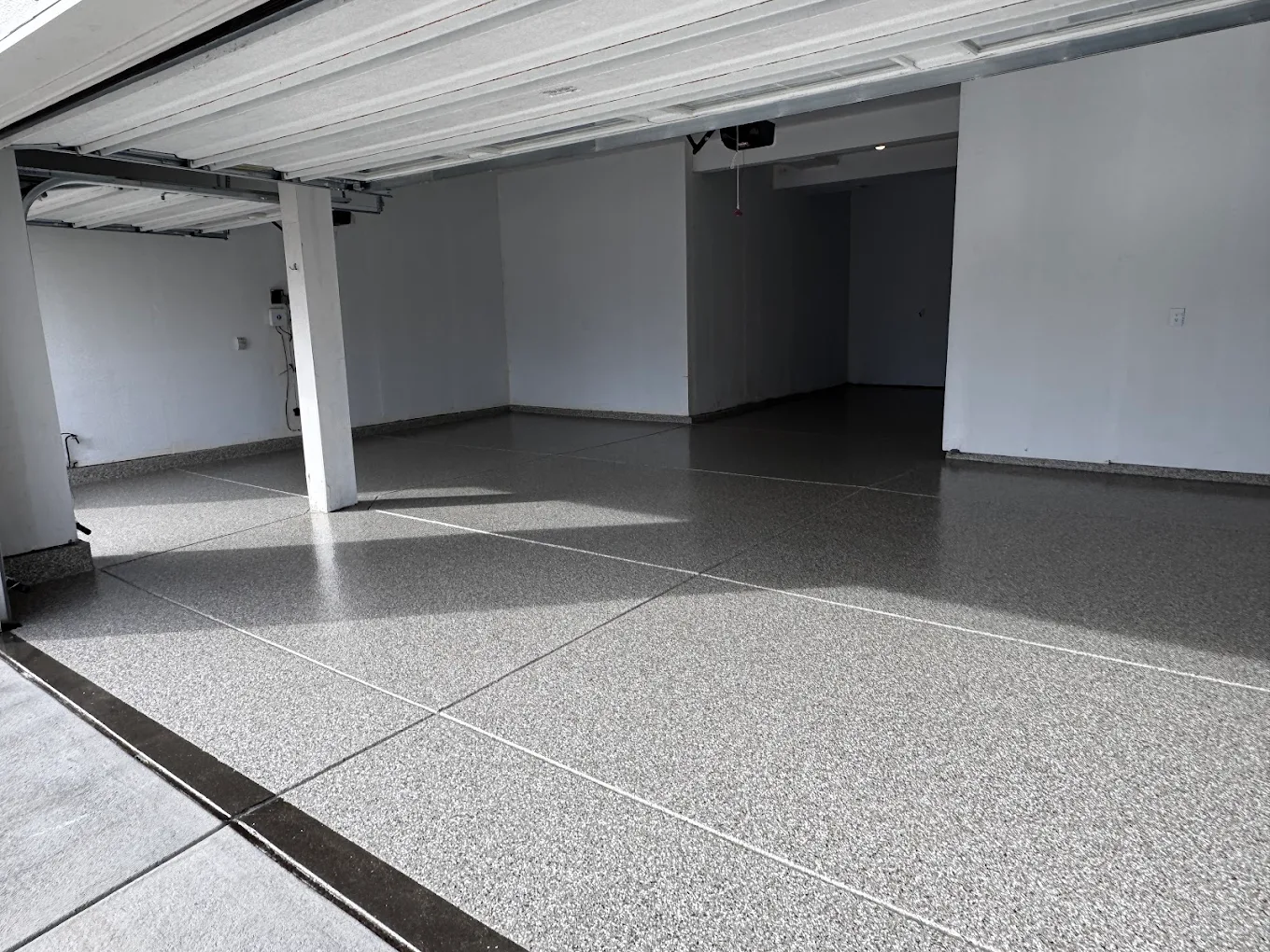
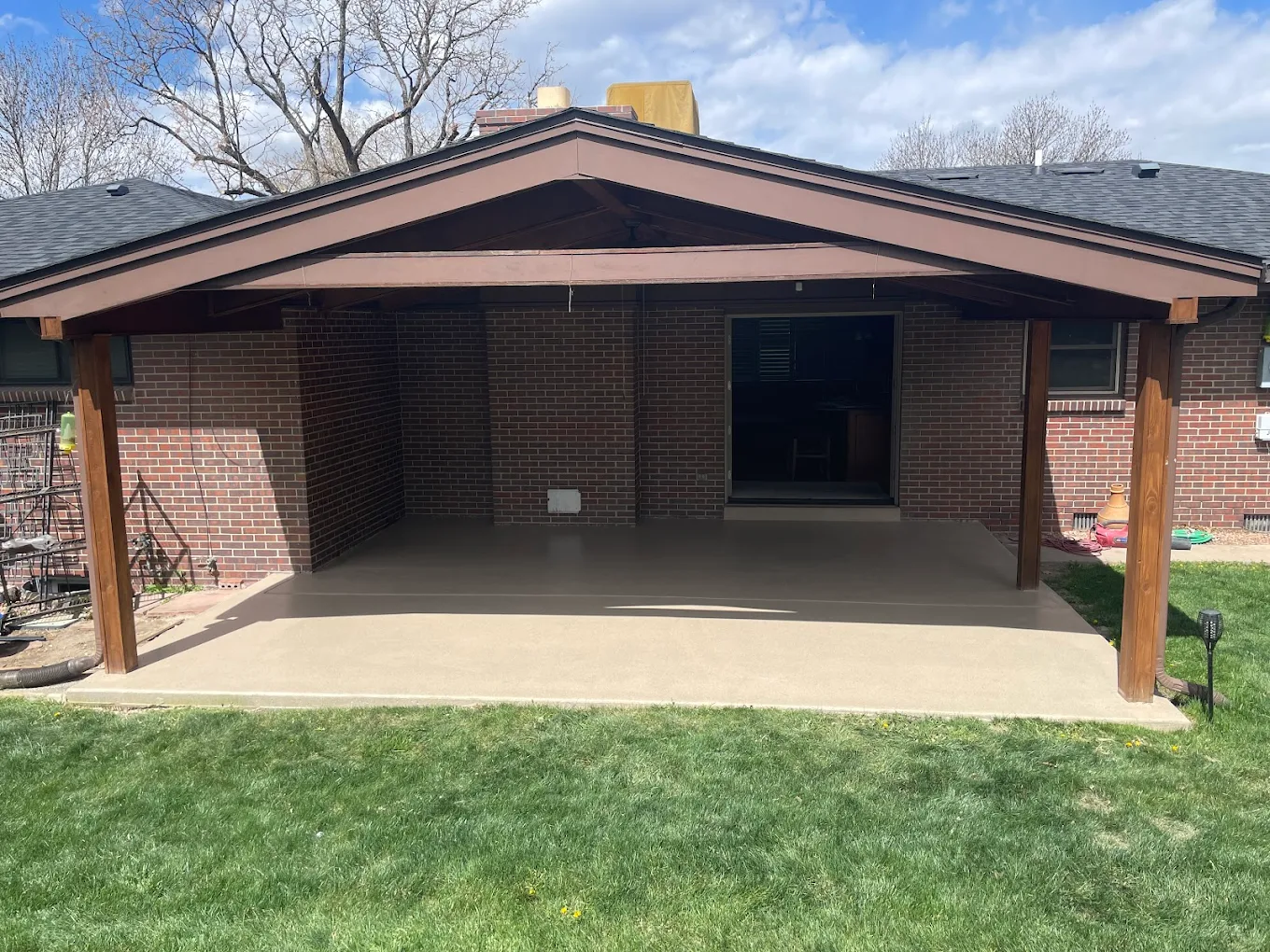
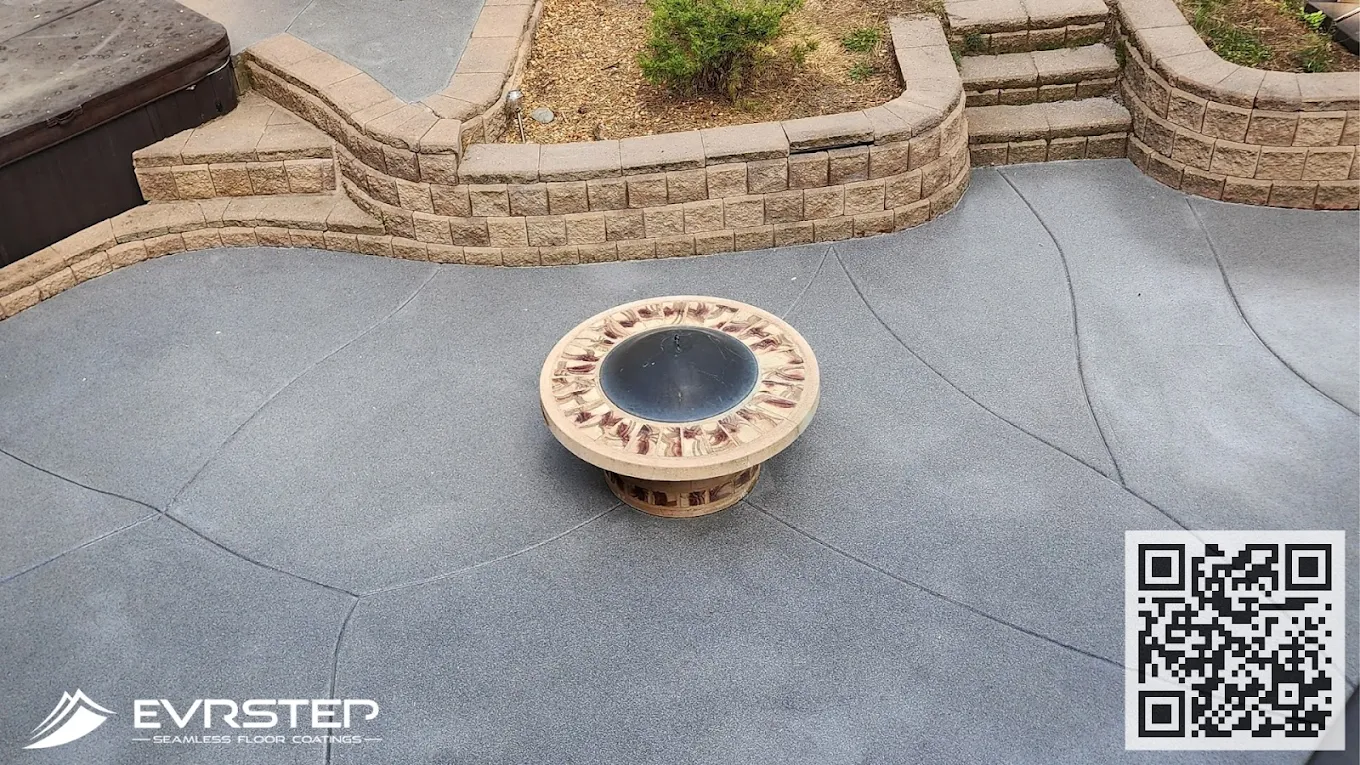
Are you considering a home improvement that not only enhances your garage but also adds significant value to your property? Epoxy garage flooring might be the answer. This investment can yield an impressive return of 70-80%, making it a smart choice for homeowners looking to boost their property’s appeal.
In fact, studies show that installing epoxy flooring can increase your home’s value by 5-10%. Imagine transforming your 2,000-square-foot garage into a visually appealing and highly functional space.
With installation costs ranging from $3 to $12 per square foot, you could see an increase in property value by as much as $16,000. This compelling statistic may spark your curiosity about the various coating options and installation techniques available.
The durability and chemical resistance of epoxy flooring means it requires minimal maintenance and can last up to 20 years when installed correctly. Professional installation typically spans 1-2 days and involves critical steps such as surface preparation, priming, and clear coating, ensuring a long-lasting finish.
For business owners and homeowners alike, the benefits of epoxy flooring extend beyond aesthetics. It addresses common concerns about garage functionality, providing a seamless surface that is easy to clean and resistant to stains and spills.
This makes it an ideal solution for those who utilize their garage for more than just parking vehicles. As you explore this home improvement option, consider the latest trends in epoxy coatings and installation methods.
By investing in epoxy garage flooring, you’re not just enhancing your garage; you’re making a strategic decision that can positively impact your home’s marketability and overall value.
Key Takeaways
- Epoxy garage floors can boost your property’s value by 5-10%, providing a solid return on investment of 70-80% of installation costs.
- Professional installation typically ranges from $3 to $12 per square foot, making it a cost-effective upgrade compared to potential value increases of around $8 per square foot.
- With proper care, epoxy floors can last up to 20 years, which helps lower long-term expenses while keeping them visually appealing and functional.
- Homebuyers often favor low-maintenance and attractive surfaces, and epoxy flooring fits that bill, making it an appealing feature in today’s real estate market.
- For instance, a 2,000-square-foot garage with epoxy flooring could enhance property value by as much as $16,000.
Understanding Epoxy Floor Basics
Transforming your garage floor with epoxy can be a game-changer for both aesthetics and functionality. Many homeowners grapple with the question: how can I ensure my epoxy flooring project is successful and long-lasting? The answer lies in understanding the essential steps involved in the preparation and application processes. With proper execution, you can achieve a durable and attractive finish that stands the test of time.
The first and most critical step in installing an epoxy floor is surface preparation. This phase involves more than just a quick cleanup; it sets the foundation for the entire project. Begin by clearing the workspace and safeguarding adjacent surfaces from potential damage. The concrete floor must be meticulously cleaned and then treated with professional-grade grinding or shot-blasting techniques. These methods are crucial as they create an optimal surface profile, allowing for maximum adhesion of the epoxy coating to the concrete substrate. Additionally, ensuring the floor is free from moisture is vital to preventing peeling and delamination. To achieve the best results, it’s recommended to consult with a local expert who understands the nuances of the flooring installation process.
Once the surface is adequately prepared, the systematic application of the epoxy begins. This typically involves multiple layers, each serving a distinct purpose. Start with a primer coat that penetrates deeply into the concrete to ensure a strong bond. This is followed by an intermediate layer that provides color and substance and finally, a protective clear coat that enhances durability. For added aesthetic appeal and improved safety, consider incorporating decorative chip flakes between coats; they not only beautify the floor but also increase traction.
Opting for a professional-grade epoxy flooring system offers numerous advantages, such as exceptional durability and ease of maintenance. While alternatives like polyaspartic coatings may offer superior UV resistance, traditional epoxy remains a cost-effective solution for most garage applications. Polyaspartic coatings provide even greater resistance to physical and chemical damage, making them an excellent option for those seeking enhanced protection. By familiarizing yourself with these fundamental aspects of epoxy flooring, you can make informed decisions that cater to your specific needs, ensuring that each phase of the installation is executed to perfection.
Calculating Your Garage Floor Investment
Investing in an epoxy garage floor can be a game-changer for your space, but understanding the financial implications is crucial. Did you know that improperly prepared surfaces can lead to significant additional costs down the line? This isn’t just about aesthetics; it’s about ensuring durability and long-term value.
To accurately gauge your project’s financial requirements, start with a detailed evaluation of your garage’s current condition. The state of your existing floor heavily influences your final investment, particularly regarding preparation work, which may include crack filling, surface grinding, and other necessary repairs to ensure proper adhesion. This preparation is essential for achieving a high-performance finish that resists fading, cracking, and peeling over time. Additionally, using a UV-stable coating can further enhance the longevity of your flooring.
Here’s how to break down your total investment:
- Measure: Start by measuring your garage’s square footage accurately. Multiply this figure by the average installation cost, which typically ranges from $3 to $12 per square foot.
- Preparation Costs: Assess the costs associated with preparing your floor. This step is crucial; if your existing surface has significant wear or damage, the preparation can become a substantial part of your budget.
- Additional Expenses: Consider other costs such as contractor fees, custom finishes, and any specialized materials required for your specific project needs.
The size of your garage is a significant factor in determining overall expenses—larger spaces will naturally involve more materials and labor. While professional contractors can provide precise estimates based on square footage, be mindful that the condition of your floor can lead to variations in the final cost. For instance, extensive preparation may be necessary for a floor riddled with cracks, thereby increasing your total investment.
When budgeting for your epoxy flooring, keep in mind that while preparation costs may appear high, they’re essential for achieving a long-lasting, high-quality finish. Opting for premium materials and experienced labor might seem more costly upfront, but these choices usually translate into better value over time. To ensure you have a comprehensive understanding of the costs involved, it’s advisable to obtain detailed quotes from multiple contractors. This will equip you with the information needed to make informed decisions as you move forward with your epoxy flooring project. Additionally, remember that the seamless application of epoxy flooring not only enhances aesthetics but also minimizes maintenance costs in the long run.
Types of Epoxy Coatings
Choosing the right epoxy coating for your garage floor can feel overwhelming, especially with so many options available. Did you know that improperly chosen coatings can lead to costly repairs or replacements in just a few years? Understanding the unique characteristics of different epoxy types can save you from these headaches and ensure a lasting investment.
Standard epoxy coatings are a popular choice for homeowners looking for a blend of durability and cost-effectiveness. With a variety of color options, these coatings provide a seamless, easy-to-maintain surface suitable for residential garages and light commercial spaces. However, while they offer an attractive finish, standard epoxies may be susceptible to UV damage and chemical exposure over time.
If aesthetics and functionality are high on your priority list, decorative epoxy coatings might be the solution you need. These coatings incorporate color flakes not only for an eye-catching finish but also for enhanced slip resistance. Imagine having a garage floor that not only looks good but also minimizes the risk of slips and falls, making it a safer space for family and friends. This dual benefit contributes to both the longevity of the coating and the overall visual appeal of your garage.
For environments that demand superior strength, heavy-duty epoxy options, such as epoxy mortar systems, are the way to go. By mixing epoxy resin with graded sand or quartz, these systems can withstand significant mechanical stress and harsh chemicals. They are ideal for commercial settings or any garage that may see heavy machinery or frequent spills.
When selecting an epoxy coating, it’s crucial to keep in mind that each type has its unique considerations regarding performance and maintenance. For instance, while standard epoxies are budget-friendly, their vulnerability to UV rays may require more frequent maintenance. In contrast, specialized formulations that include polyurethane topcoats offer enhanced resistance to both UV exposure and chemicals, extending the life of your flooring.
Installation timing is another important factor; epoxy coatings typically require longer curing periods compared to other systems. Modern formulations have made strides in reducing off-gassing, but ensuring proper ventilation during application is still vital. Additionally, reaching out for a free estimate can help clarify your options and ensure you choose the best coating for your needs.
Professional Vs. DIY Installation
When considering the installation of epoxy garage floors, a crucial decision lies between enlisting professional services and undertaking a DIY approach. This choice significantly influences not only the immediate aesthetic appeal but also the long-term durability of your investment. It’s essential to evaluate your skill set and project requirements, as the challenges associated with installation can dramatically affect the final outcome.
Professional installation presents notable benefits, including expert craftsmanship, efficiency, and comprehensive warranties. Skilled contractors possess the necessary tools and knowledge for optimal surface preparation and application techniques. This experience often results in a more resilient finish and can enhance your home’s resale potential. Furthermore, professionals can offer advanced customization options and essential maintenance advice that may not be readily available through DIY methods.
Before making your decision, consider these critical factors:
- Time Commitment: Professional installations typically require only 1-2 days, whereas DIY projects often extend to 3-5 days, factoring in preparation and curing times.
- Cost Evaluation: While DIY may seem appealing for its labor cost savings, mistakes during the process can lead to unexpected expenses for repairs or complete refinishing, which can quickly negate any initial savings.
- Quality Considerations: Professional installers tend to deliver superior durability and visual appeal, which may justify the higher upfront investment when considering long-term value.
For those with adequate time, basic skills, and budget limitations, DIY installation can offer a fulfilling challenge. However, it’s crucial to acknowledge that the learning curve can be steep. Frequent pitfalls include improper mixing, uneven application, and insufficient surface preparation, all of which can undermine the integrity of the final result. For homeowners who prioritize long-lasting quality and assured outcomes, professional installation is often the wiser choice, even with the higher initial expenditure.
Ultimately, weigh the pros and cons carefully, aligning your decision with your specific needs and priorities to ensure a successful and satisfying project.
Return on Investment Analysis
Are you considering upgrading your garage floor but worried about the financial implications? You’re not alone; many homeowners grapple with the decision of where to invest their hard-earned money for the best returns. Installing epoxy garage floors could be the answer you’re looking for. With installation costs ranging from $3 to $7 per square foot, epoxy flooring boasts an impressive return on investment (ROI) of 70-80%. This makes it a strategic choice in the realm of home improvement projects.
To illustrate the financial potential, a $2,000 investment in epoxy flooring can increase your home’s value by approximately $1,400 to $1,600. This stark contrast highlights the substantial financial returns that can be realized through this upgrade. Moreover, studies show that epoxy garage floors can add around $8 per square foot to a home’s resale value. Properties with enhanced garage spaces often see value increases between 5-10%, a compelling statistic that underscores the appeal to potential buyers during home inspections. This aspect can significantly expedite the sales process in a competitive market.
The benefits of epoxy flooring extend well beyond immediate aesthetic enhancements; they create enduring value that continues to pay off. Its durability, along with resistance to stains, chemicals, and everyday wear, minimizes ongoing maintenance costs. When evaluating the overall cost of ownership, the initial installation expense is counterbalanced by reduced replacement costs and maintenance savings over time. Additionally, the visually appealing finish of epoxy flooring contributes to a sustained appreciation in property value, making it a sound financial decision.
With its mix of immediate value addition and long-term cost efficiency, investing in epoxy garage flooring offers a well-rounded approach to home improvement that delivers measurable financial returns. If you’re looking for a way to enhance your property’s value and appeal while also ensuring you spend wisely, epoxy flooring is a worthy consideration.
Maintenance and Long-Term Durability
Are you tired of unsightly stains and wear on your garage floor? You’re not alone. Many homeowners are discovering that with the right maintenance, epoxy garage floors can not only retain their aesthetic appeal but also stand the test of time—lasting up to 20 years in residential settings. The secret to this durability lies in consistent care and an understanding of the factors that contribute to the floor’s longevity.
Imagine this: a well-maintained epoxy garage floor that gleams with a robust shine, free from scratches and stains. To achieve this, daily maintenance is crucial. Regular sweeping with soft-bristled brooms can prevent dirt and debris from causing scratches, while a weekly deep clean using pH-neutral cleaners helps to sustain that signature shine. Moreover, addressing spills immediately can thwart potential stains and protect the floor’s surface.
It’s important to recognize that the initial installation quality directly impacts long-term performance. Ensuring proper concrete preparation and utilizing high-quality materials will significantly enhance the durability of your epoxy floor.
Several key factors will influence the lifespan of your epoxy garage floor:
- Traffic Intensity: In high-traffic commercial spaces, you may need to refinish the floor every 2-3 years, while residential applications, when cared for properly, can last decades.
- Environmental Conditions: Prolonged UV exposure can compromise the coating’s integrity, making it essential to protect your floor from direct sunlight.
- Maintenance Practices: Steer clear of harsh chemicals, pressure washing, and mechanical abrasion to maintain the floor’s finish.
In addition to routine cleaning, conducting periodic inspections can help you identify and rectify potential issues before they worsen. For areas that experience heavy traffic, consider applying extra topcoats to bolster durability. Always opt for manufacturer-recommended cleaning products to preserve the protective qualities of your floor.
Property Value Impact
Are you looking to significantly enhance your property’s value without a drastic renovation? A well-maintained epoxy garage floor could be the solution you need. Research shows that investing in epoxy flooring can elevate a home’s market value by approximately $8 per square foot. For instance, if you have a 2,000-square-foot garage, this could mean an impressive increase of up to $16,000 in your property’s overall worth.
In today’s real estate landscape, buyers are increasingly drawn to properties that offer low-maintenance and visually appealing surfaces. Epoxy floors excel in these areas, providing a diverse selection of customizable colors, patterns, and finishes. This versatility allows you to transform a basic garage into an inviting extension of your home. The glossy finish and reflective properties of metallic epoxy coatings not only enhance lighting but also create an atmosphere that resonates with potential buyers.
Homes featuring epoxy garage floors have a competitive edge in the market, often commanding a premium of 5-10% over those with traditional flooring options. This enhancement signals to buyers that the property is well-maintained and requires minimal immediate upkeep. While installation costs typically range from $3 to $12 per square foot, the return on investment is substantial, thanks to increased property value and lower future maintenance needs.
With their blend of durability, aesthetic appeal, and practical benefits, epoxy garage floors are more than just a trendy addition; they’re a strategic investment that can significantly influence buyer decisions and enhance your property’s market attractiveness. If you’re considering a home upgrade, this might be the perfect opportunity to make a lasting impact.
Material Cost Breakdown
Investing in epoxy flooring can be a game changer for homeowners looking to enhance their space’s durability and aesthetic appeal. However, navigating the various material costs can feel overwhelming. Did you know that the choice of epoxy can significantly affect both your upfront investment and long-term value? With options ranging from standard to metallic epoxy, understanding the nuances can help you make a more informed decision.
When it comes to epoxy flooring, several factors can impact your overall costs:
- Base Material Selection: Opting for standard epoxy can save you money with prices ranging from $3 to $6 per square foot, while premium metallic or flake systems, known for their striking visual effects, can cost between $10 and $12 per square foot. These choices will influence not only the initial installation cost but also the longevity and maintenance of your floor.
- Coverage Requirements: The size of your garage plays a crucial role in determining your material costs. Larger areas will require more products, which can skew the cost per square foot, making it essential to have accurate measurements before committing to a specific option.
- Application Layers: While multiple coating systems may raise material expenses, they also ensure enhanced durability and longevity. This means that investing a bit more upfront could save you money in repairs and maintenance down the line.
For instance, a standard one-car garage installation can range from $720 to $2,880, while a larger four-car garage could set you back anywhere from $2,375 to $9,500. These figures include essential application tools, such as grinders, squeegees, and mixing equipment, which are vital for a successful installation. The quality of materials selected will significantly influence your total investment, with premium options offering superior durability and aesthetic appeal.
Additionally, don’t overlook the importance of proper surface preparation tools, which may represent another layer of investment but are critical for achieving a flawless finish. By considering these factors and planning accordingly, you can make a choice that aligns with both your budget and your long-term goals for your space.
Installation Timeline and Process
When it comes to epoxy flooring, many business owners find themselves asking, “How long will this take?” The truth is the installation timeline can make or break your project, especially when you consider the potential downtime in your space. For small residential garages, the typical installation process spans 1-2 days, but this can vary significantly based on factors such as surface condition and garage size. Understanding these elements is crucial to your planning.
The most critical—and often time-consuming—phase of the installation is surface preparation. This involves a thorough cleaning, degreasing, and repair work, ensuring the floor is level and ready for the epoxy application. One common challenge arises when dealing with old coatings that must be completely removed. This step is essential for ensuring the new epoxy system adheres properly, and neglecting it can lead to costly failures down the line.
Once the surface is prepared, the application process begins, which requires meticulous attention to detail and timing. Typically, most installations will involve applying two coats of epoxy, with mandatory curing periods in between. Depending on the specific product used and the environmental conditions, the entire curing process can take anywhere from 12 to 72 hours. Proper ventilation is also essential during this phase—not just for safety, but for optimal curing results.
Environmental factors such as weather conditions and ambient temperature can significantly impact the installation timeline. Professional installers, due to their experience, often complete projects more efficiently than those who choose the DIY route. If you’re considering adding decorative elements, such as color flakes or non-slip finishes, be prepared to allocate additional time for these applications. By adhering strictly to manufacturer guidelines, utilizing appropriate protective gear, and allowing sufficient curing time, you can achieve a successful, long-lasting epoxy floor installation.
Alternative Flooring Comparisons
Choosing the right flooring for your garage can feel overwhelming, especially when considering the myriad of options available. Did you know that nearly 80% of homeowners prioritize durability when selecting garage flooring? This statistic underscores a common concern: how can you ensure your garage floor withstands the test of time and heavy use? Understanding the pros and cons of alternative flooring solutions, particularly in comparison to epoxy coating systems, can help you make an informed decision that aligns with your needs.
While epoxy remains a leading choice for many homeowners due to its resilience, several alternatives present unique benefits worth considering. For instance, concrete paint is an economical option that offers a quick fix for aesthetics. However, its lack of durability, especially in high-traffic zones, can lead to premature wear and the need for replacement sooner than expected. Porcelain tile, while visually appealing and water-resistant, is prone to chipping and cracking from heavy impacts, making it less suitable for a garage environment. Interlocking tiles may seem appealing due to their ease of installation and replacement; however, the seams can allow chemicals to seep through, potentially compromising the floor’s integrity over time.
When evaluating your garage flooring options, consider these three crucial factors:
- Durability and Protection: Epoxy stands out in terms of chemical resistance and wear protection, particularly in high-traffic areas, where it can significantly outperform paint and tiles. It is essential to consider how the flooring will hold up against oil spills, water, and heavy equipment.
- Installation and Maintenance: Although concrete paint may offer a quick application process, epoxy flooring shines in its long-term value and minimal maintenance requirements. Once installed, epoxy floors can endure years of use without significant upkeep, which is an attractive feature for busy homeowners.
- Cost-Value Ratio: While the initial investment for epoxy might be higher than alternatives, its durability and potential to increase home value by 5-10% often justify the cost. An effective flooring solution not only protects your garage but can also enhance the overall value of your property.
Among the alternatives, polyaspartic coating emerges as a notable competitor to epoxy, boasting faster curing times and exceptional UV resistance. However, the higher cost can deter homeowners from choosing it for residential applications. In terms of overall value, epoxy continues to demonstrate advantages in durability, chemical resistance, and aesthetic versatility, making it a practical choice for most garage settings.
Boost Home Value with Cost-Effective Epoxy Garage Floors
Epoxy garage floor installations are a valuable enhancement for residential properties, offering both durability and aesthetic appeal. With a lifespan that can exceed two decades, properly maintained epoxy surfaces are a cost-effective flooring solution. This economical choice not only elevates the look of a garage but also contributes positively to overall property value. EvrStep Seamless Coatings specializes in providing high-quality epoxy installations for both residential and commercial spaces in the Denver Metro area.Their expertise ensures that each installation meets the highest standards of durability and design. By choosing EvrStep, property owners can expect a professional approach tailored to their specific needs. The practical benefits of epoxy flooring, combined with EvrStep’s reliable service, make it a smart investment for any homeowner or business. Explore how their solutions can transform your garage with long-lasting results, enhancing your property’s overall appeal and functionality and ultimately making it an attractive option for anyone looking for durable flooring solutions. EvrStep Seamless Coatings for durable flooring solutions.