Did you know commercial properties account for nearly 40% of global carbon emissions? This poses a major challenge for property owners aiming for both sustainability and profitability. Fortunately, sustainable concrete solutions offer a way forward, combining eco-friendliness with financial benefits.
Innovations like carbon-sequestering concrete can cut CO₂ emissions by up to 43% while strengthening structures. Adopting circular economy practices and green building certifications can reduce operational costs by 20-30% and boost property value. Plus, advanced materials like ultra-high-performance concrete extend project lifespans by over 50 years, making them a smart, long-term investment.
Key Highlights
- Carbon-sequestering concrete technology not only reduces emissions but also strengthens materials through CO₂ mineralization, providing both environmental and structural advantages.
- Sustainable concrete alternatives can cut CO₂ emissions by up to 43% and increase batching plant profitability by 3-21%.
- Ultra-high-performance concrete can extend the lifespan of projects beyond 50 years, helping to lower long-term repair costs and maintenance needs.
- Embracing circular economy practices, like modular construction and recycled aggregates, can lead to material cost savings of up to 30%.
- Green-certified buildings that utilize sustainable concrete solutions often achieve higher rental premiums and benefit from lower operational costs due to enhanced energy efficiency.
Understanding Carbon-Sequestering Concrete Technology
As businesses increasingly face pressure to address environmental concerns, the construction industry stands at a pivotal crossroads. Carbon-sequestering concrete technology offers a promising solution to a pressing dilemma: how to build sustainably while meeting growing infrastructure demands. Imagine a process where the very material that supports our buildings actively helps mitigate climate change—this is the game-changing potential of carbon-sequestering concrete.
This innovative technique involves injecting CO₂ into concrete during the mixing process, leading to carbon mineralization that creates stable limestone compounds. Not only does this method permanently sequester carbon dioxide, but it also enhances the strength of the concrete. As a result, builders can decrease the amount of material used without compromising structural integrity—a win-win for both the environment and project budgets.
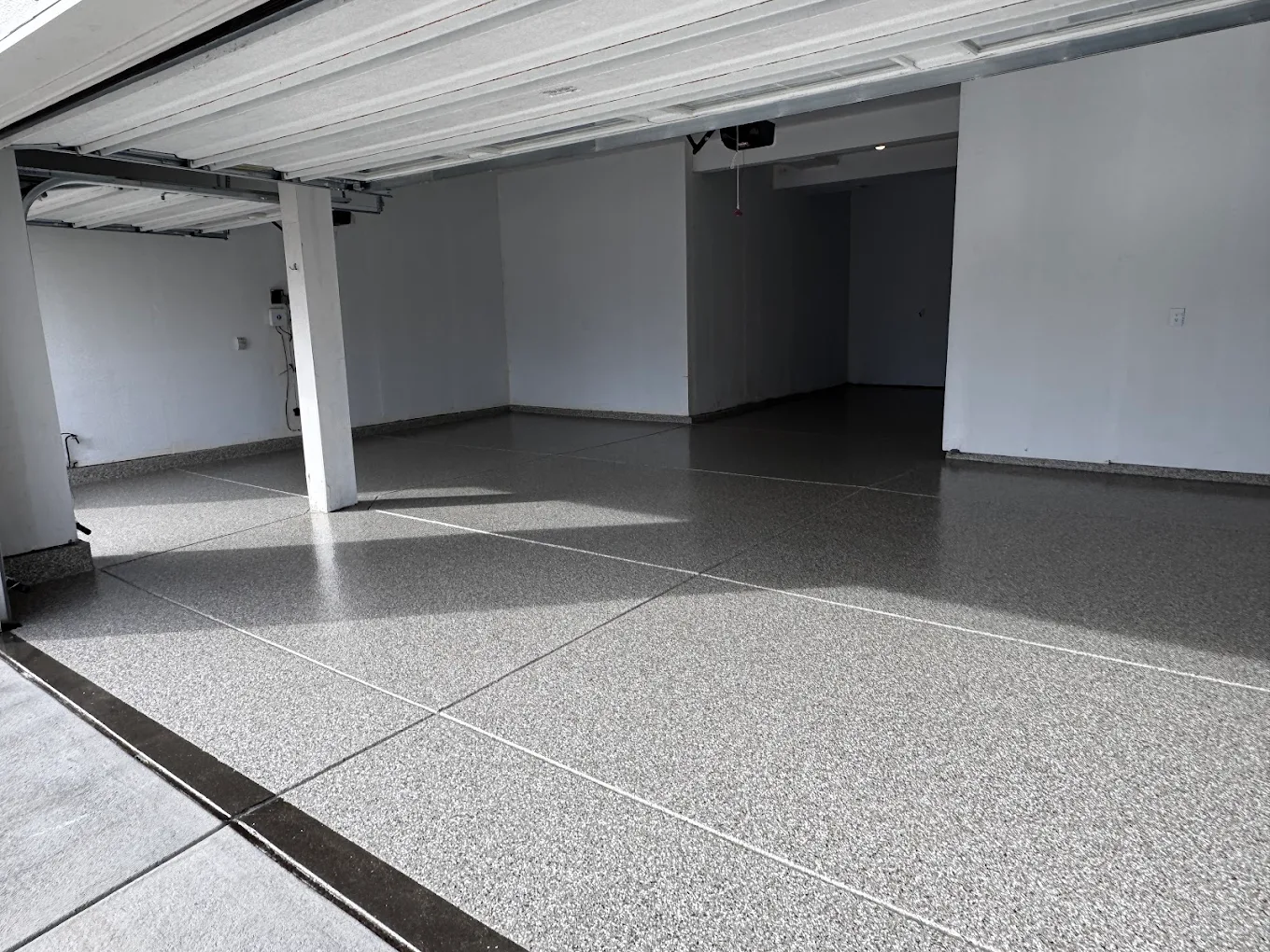
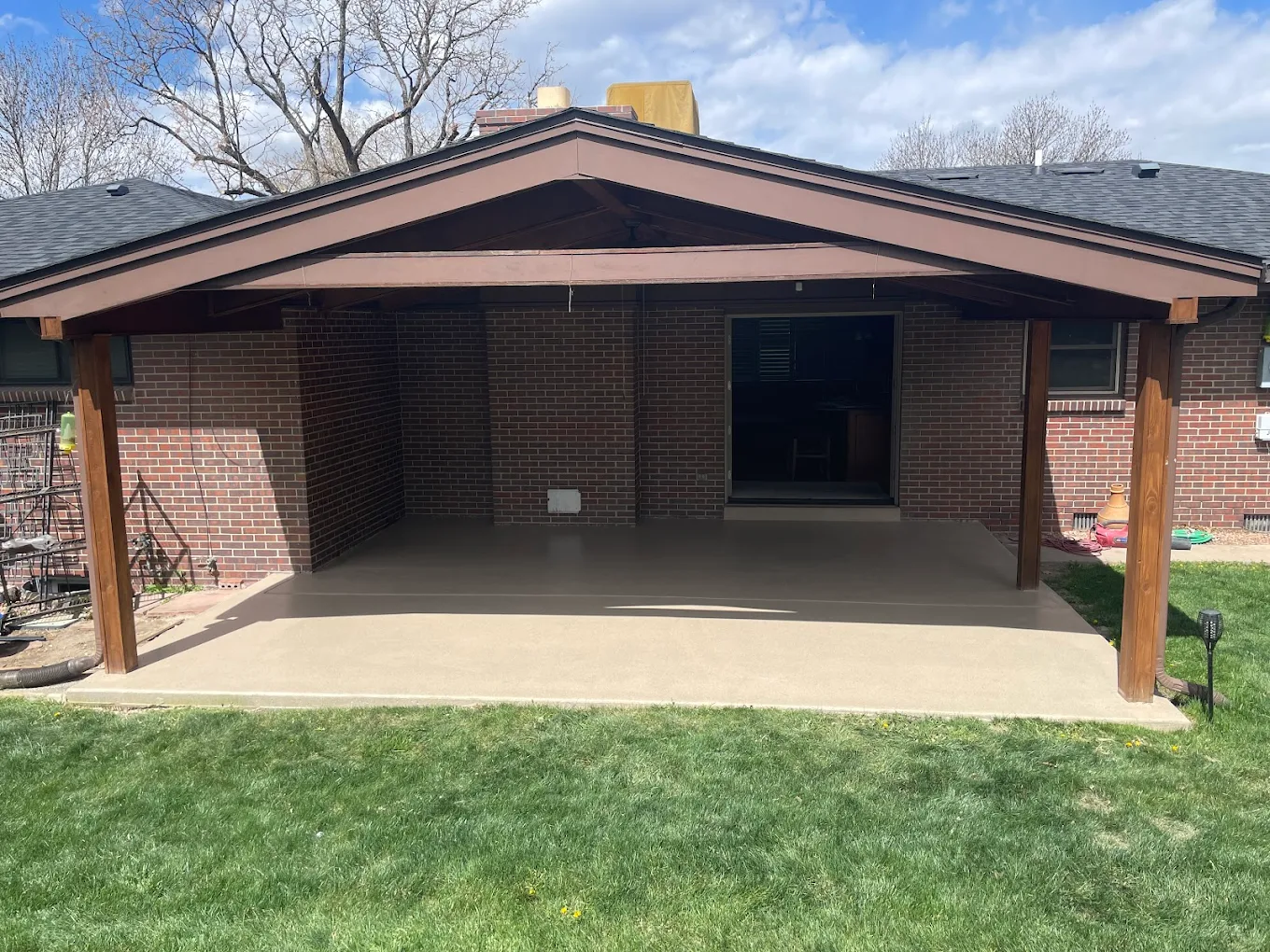
For instance, the 725 Ponce building in Atlanta has showcased this technology’s effectiveness, successfully saving approximately 750 metric tons of CO₂ emissions. Moreover, utilizing epoxy flooring systems like those offered by EvrStep can further contribute to sustainable practices by providing durable and low-maintenance solutions that prolong the lifespan of flooring in commercial properties. Additionally, the use of exterior epoxy coatings enhances durability, ensuring that surfaces can withstand harsh outdoor conditions while maintaining their integrity.
However, the implementation of carbon-sequestering concrete requires meticulous control over CO₂ absorption and a thoughtful approach to mix designs, often incorporating supplementary materials like fly ash and slag. As of now, over 22 million cubic yards of concrete have been treated using this method, revealing a substantial opportunity to reduce construction-related emissions.
In fact, projections indicate that this technology could lead to annual CO₂ reductions of around 3 gigatons by 2030. Additionally, epoxy and polyaspartic flooring systems, like those offered by EvrStep, also contribute to sustainable practices by providing durable and low-maintenance solutions that prolong the lifespan of flooring in commercial properties.
For business leaders in construction, embracing carbon-sequestering concrete technology is not just an environmental imperative but a strategic advantage. By integrating this innovative process, companies can not only lower their carbon footprint but also respond to the increasing demand for sustainable building practices.
The future of construction lies in harnessing such technologies, which not only address regulatory pressures but also resonate with environmentally conscious clients. As we move forward, the intersection of technology, sustainability, and business growth will undoubtedly reshape the landscape of modern construction.
Cost-Benefit Analysis of Sustainable Concrete Options
In today’s competitive construction landscape, the question of sustainability often weighs heavily on project budgets and long-term viability. Did you know that incorporating sustainable concrete alternatives could yield a profitability increase of 3-21% for batching plants while simultaneously reducing CO2 emissions by up to 43%? These figures are not just impressive; they signify a pivotal shift in how we approach concrete production.
Consider the lifecycle advantages of sustainable concrete options. Enhanced durability translates into significant long-term savings, as reduced maintenance requirements allow businesses to allocate resources more effectively. For instance, optimized recycled aggregate concrete has been shown to maintain structural integrity while minimizing environmental impact, which is a crucial consideration for any construction project.
Moreover, commercial epoxy flooring offers exceptional durability against moisture and wear, making it an ideal choice for high-traffic commercial spaces. Additionally, UV-stable polyaspartic coatings offer an innovative option that enhances the longevity and aesthetic appeal of concrete surfaces.
A real-world example can be found in the Hudson Yards project, which successfully achieved a 25% reduction in emissions while balancing initial costs with operational savings. Moreover, projects utilizing sustainable materials can benefit from avoided carbon taxes and improved energy efficiency, leading to a 25-35% decrease in heating and cooling expenses.
While it’s true that some sustainable alternatives may face initial cost barriers due to production challenges, the long-term economic benefits cannot be overlooked. As businesses increasingly prioritize sustainable practices, these options are becoming more attractive, particularly for commercial properties looking to optimize their investments. Additionally, choosing coatings with superior durability and chemical resistance ensures long-lasting surfaces that minimize maintenance and replacement costs.
Implementing Circular Economy Practices in Construction
The construction industry is at a crossroads, facing the pressing question: how can we build sustainably without compromising on quality or cost? With the global construction sector responsible for nearly 40% of carbon emissions, the urgency for change is palpable. Implementing circular economy practices can be the key to transforming this burden into an opportunity for sustainable growth.
At the heart of this transition are circular design principles that emphasize modular construction and adaptable layouts, which allow for efficient material recovery throughout a building’s lifecycle. For instance, consider a project that integrates modular units; when it’s time for renovation or deconstruction, these units can be easily disassembled and reused, minimizing waste and maximizing resource efficiency.
Digital tools like Building Information Modeling (BIM) are revolutionizing the way we approach construction. By tracking material flows and assessing lifecycle impacts, BIM empowers construction teams to incorporate innovative solutions such as recycled concrete aggregates and low-carbon cement alternatives without sacrificing structural integrity. Advanced admixtures ensure that these materials meet performance standards, proving that sustainability and quality can go hand in hand.
Furthermore, emerging technologies like carbon capture and bio-based materials are enhancing sustainability credentials within the construction process. These advancements not only reduce environmental impact but also align with the increasing demand for eco-friendly building solutions from clients and stakeholders alike.
However, navigating this shift requires strategic collaboration among all stakeholders involved. Establishing standardized deconstruction protocols and economic incentives can mitigate concerns about upfront costs, which, while higher initially, can lead to significant long-term savings through reduced waste and improved resource efficiency.
For example, a life cycle evaluation can reveal cost reductions of up to 30% when materials are reused or recycled effectively. To explore further solutions, consider reaching out to EvrStep for a Free Estimate, which can provide tailored recommendations for your project’s sustainability needs.
Navigating Green Building Certifications and Regulations
Certification frameworks like LEED and Green Globes assess buildings on a broad spectrum of sustainability criteria, while specialized programs like WELL prioritize occupant health and well-being. These certifications provide tangible metrics for evaluating everything from energy efficiency to water conservation, giving property owners a competitive edge in the market. For instance, a building that achieves LEED certification not only demonstrates commitment to sustainability but also attracts tenants who prioritize eco-friendly spaces.
The financial advantages of these certifications extend well beyond attracting tenants. Certified buildings often see a significant reduction in operational costs, thanks to enhanced energy efficiency and optimized resource management. Moreover, proactively adopting these standards can safeguard properties against shifting environmental regulations, positioning owners to take advantage of the increasing demand for sustainable commercial real estate.
For business owners looking to leverage this trend, it’s essential to familiarize yourself with the specific requirements and benefits of each certification. Engaging with industry experts and utilizing current technologies can streamline the certification process, making it a valuable investment rather than an obstacle. Ultimately, embracing green building practices is not just about meeting regulations; it’s about creating a sustainable future that aligns with modern business needs.
Maximizing ROI Through Advanced Concrete Solutions
Advanced concrete options, such as ultra-high-performance concrete (UHPC), are transforming the industry by offering remarkable durability and material efficiency. For instance, projects using UHPC can last well beyond 50 years, minimizing the need for costly repairs and replacements. This longevity is particularly appealing for developers facing tight budgets and long-term financial commitments.
Consider the benefits of strategic implementation of precast elements and modular designs. These approaches not only streamline construction timelines but also significantly reduce waste. By sourcing materials locally, you can cut down transportation costs while supporting regional economies. Imagine completing a project ahead of schedule and under budget—this is achievable with the right concrete solutions.
Quality assurance is paramount. Engaging ACI®-certified contractors ensures that installations meet the highest standards, which translates to lower maintenance costs over time. Furthermore, incorporating sustainable materials, like recycled aggregates and clinker substitutes, not only helps the environment but can also lead to valuable tax incentives and grants. This dual benefit of financial savings and ecological responsibility is increasingly important to stakeholders today.
As you evaluate your construction strategy, consider how these advanced concrete solutions can align with your business objectives. The integration of cutting-edge technology and innovative materials can provide the competitive edge you need in today’s marketplace. By addressing common pain points—such as escalating costs and project delays—you can position your business for success while contributing to a more sustainable future.
In Summary
Sustainable concrete solutions may entail significant initial investments, but they yield substantial long-term benefits for commercial property owners. Implementing carbon-sequestering technologies and advanced concrete practices can lead to both environmental responsibility and financial success.
By navigating certification requirements effectively, businesses can enhance their sustainability efforts while remaining competitive in an eco-conscious market. EvrStep Seamless Coatings specializes in providing high-quality epoxy coatings that support these sustainable practices, ensuring durability and aesthetic appeal for both commercial properties and residential homes.
With a focus on enhancing sustainability, EvrStep Seamless Coatings offers expert services tailored to the unique needs of businesses and homeowners in the Denver Metro area. Their commitment to innovative solutions enables clients to achieve lasting results that align with modern environmental standards. By choosing EvrStep, clients can benefit from reliable and efficient coatings that contribute to a more sustainable future. For those seeking to implement eco-friendly practices in their properties, exploring sustainable concrete solutions is essential for long-term success in today’s market. Discover more at EvrStep Seamless Coatings to learn about sustainable epoxy coatings for your business.