Standard epoxy resins lose their color and crack when sunlight and extreme temperature swing hit them. In Parker’s high‑altitude climate you need a marine‑grade formula or a UV‑stable topcoat to survive outdoors.
For structural repairs, Parker‑specific adhesives are engineered for severe environmental exposure.
- Indoor Epoxy Warning: Clear indoor epoxy will yellow and crack quickly when used outside without UV additives.
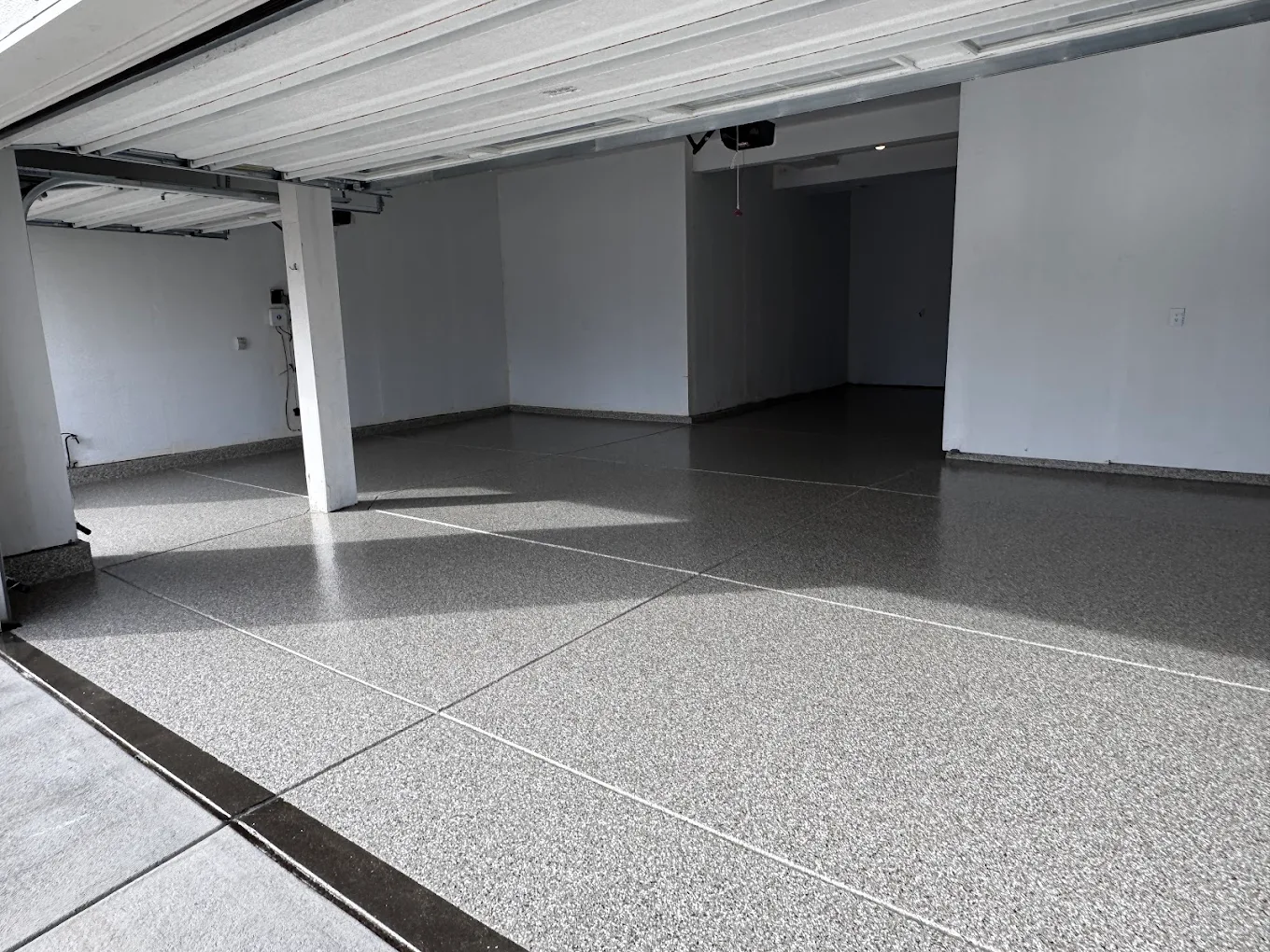
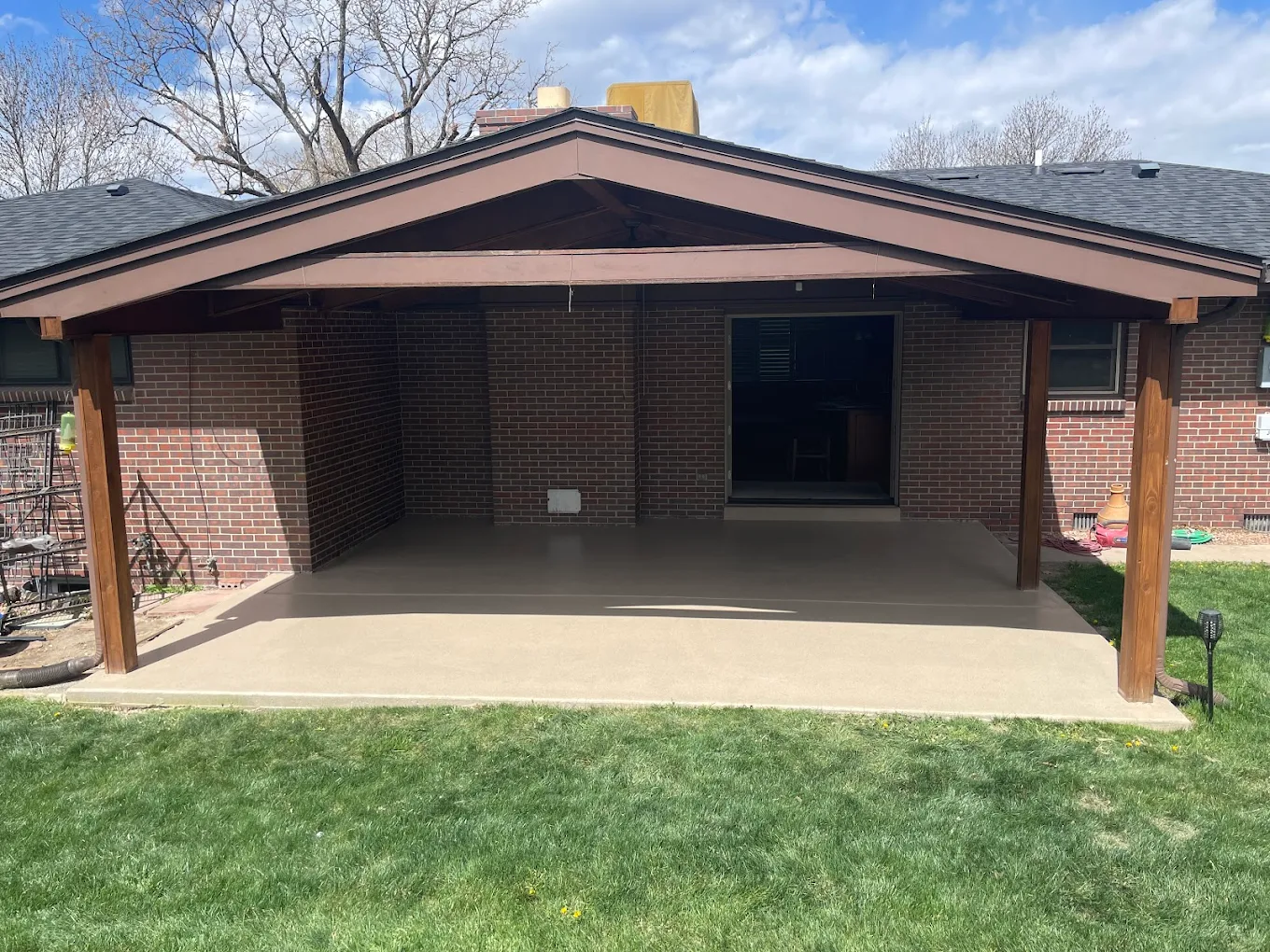
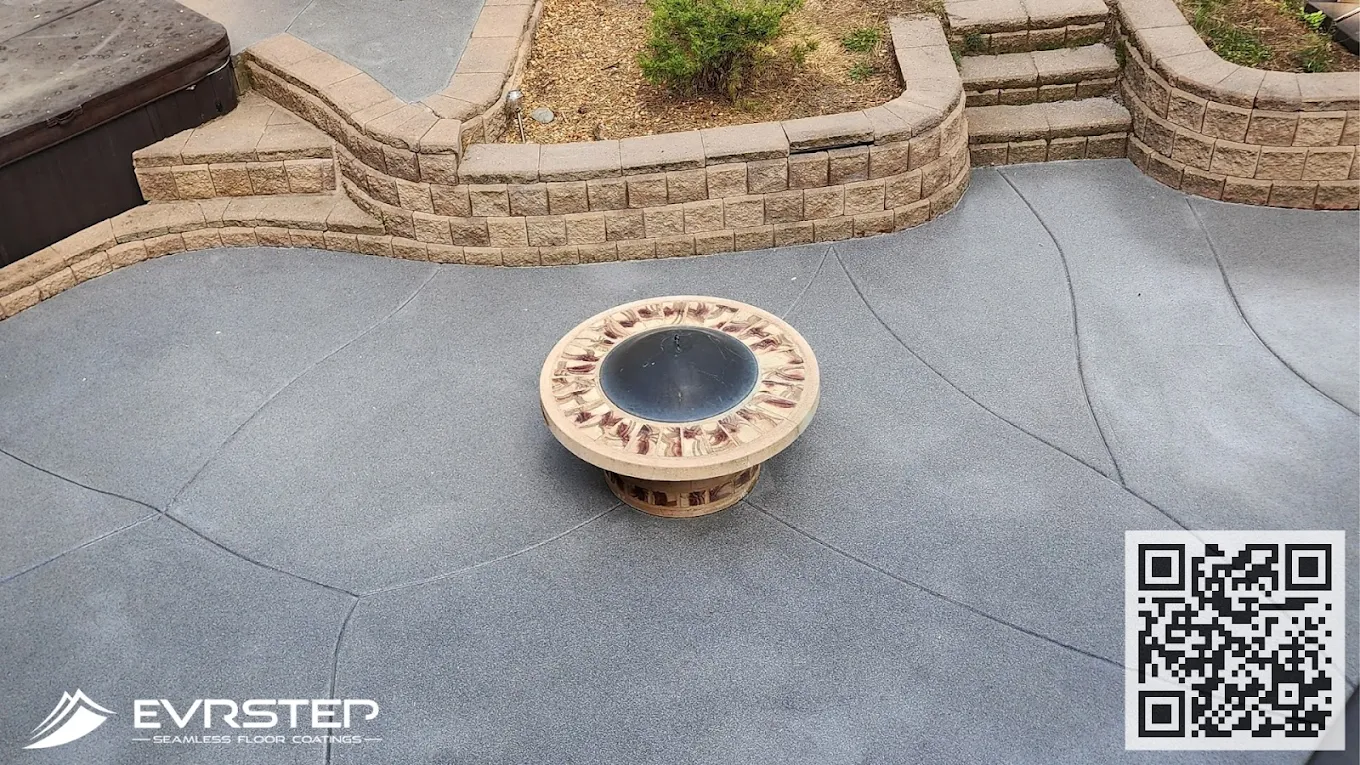
- Topcoat Necessity: Applying a UV‑stable polyaspartic or polyurethane sealer over epoxy on garage floors, patios, or tables in Parker protects against sun damage.
- Parker LORD Adhesives: Use specialized structural adhesives for heavy‑duty repairs in extreme conditions.
Exterior epoxy can survive Parker’s sun and freeze‑thaw cycles only when paired with UV‑stable topcoats or marine‑grade resins; proper prep and the right adhesives are essential.
Ever wondered why a fresh epoxy driveway in Parker starts fading after a few months? The answer lies in the chemistry and the local climate, not just the product you bought.
In this guide we’ll unpack the hidden factors that cause early failure, compare the best resin choices, and give you a step‑by‑step plan to keep your coating looking fresh for years.
Why Most Exterior Epoxy Failures Happen in Year Two, Not Year One
The first year often looks perfect because the coating hasn’t yet faced the full cycle of UV exposure, moisture, and temperature swings. In Parker, the high altitude accelerates UV damage, while winter brings repeated freeze‑thaw stress.
Most owners assume a good initial appearance guarantees long‑term performance, but the underlying chemistry continues to change. By the end of the second year, hidden defects become visible.
Key Failure Triggers
- UV Breakthrough: Sunlight penetrates the topcoat, breaking down polymer chains and causing chalking after 12‑18 months.
- Moisture Migration: Trapped water vapor expands during daylight heating, creating bubbles that pop in winter.
- Thermal Mismatch: Concrete expands faster than the epoxy, leading to micro‑cracks that widen over time.
- Abrasion Build‑up: Sand and grit carried by wind erode the surface, exposing the binder underneath.
- Improper Curing: Low temperatures during the initial cure reduce cross‑link density, weakening the film.
Understanding that most breakdowns surface after the first year helps you plan inspections and maintenance before costly repairs are needed. In practice, a proactive recoat schedule can catch these issues early.
UV Degradation vs. Moisture Intrusion: Which Threat Actually Ends Your Coating First
Both UV light and moisture are relentless enemies, but their impact varies with climate. In Parker, bright summer days deliver a UV index that can exceed 8, while winter brings high humidity inside concrete slabs.
Research from the National Institute of Standards and Technology shows that UV‑induced polymer breakdown often precedes moisture‑related delamination when a proper topcoat is in place.
Comparative Impact
- UV Rate: Sunlight causes surface chalking within 6‑12 months if the topcoat lacks stabilizers.
- Moisture Rate: Water vapor can cause blistering in as little as 3 months when substrate RH exceeds 75 percent.
- Combined Effect: When UV weakens the surface, moisture finds pathways more easily, accelerating delamination.
- Topcoat Role: A polyaspartic sealant blocks up to 95 percent of UV photons, dramatically slowing chalking.
- Seasonal Timing: Summer UV spikes dominate early, while freeze‑thaw moisture attacks become critical in late fall.
The data suggest that UV damage usually appears first, but once it compromises the film, moisture intrusion follows quickly. Selecting a UV‑stable topcoat and controlling moisture are both non‑negotiable.
The Surface Temperature Range Your Epoxy Must Survive (and Most Don’t)
Concrete slabs in Parker can swing from below freezing at night to over 90 °F in midday summer. Epoxy formulations have a limited thermal window before they become brittle or soften.
Manufacturers typically rate their products for a 40‑°F span; exceeding that can cause cracking or softening, especially on thin films.
Thermal Limits
- Low‑Temp Risk: Below 40 °F the resin can become glassy, leading to cracking under foot traffic.
- High‑Temp Risk: Above 115 °F the coating softens, allowing abrasive particles to embed and wear the surface.
- Cure Sensitivity: Early cure at temperatures under 50 °F slows cross‑linking, reducing final strength.
- Seasonal Planning: Apply epoxy in early spring or late fall when daily swings stay within the 40‑115 °F band.
- Additive Solution: Flexible modifiers in the resin increase the usable temperature range by up to 20 °F.
Matching the epoxy’s thermal tolerance to Parker’s daily swings is essential. When the coating can flex with temperature changes, it stays intact far longer.
How Freeze‑Thaw Cycles Expose Poor Substrate Prep Every Single Time
Freeze‑thaw cycles are the hidden enemy of exterior coatings. In Parker, a typical winter sees 30‑40 cycles, each expanding trapped water and stressing the bond between concrete and epoxy.
If the substrate wasn’t properly profiled or dried, those cycles will quickly reveal the flaws.
Prep Pitfalls
- Insufficient Profiling: A CSP lower than 2 leaves a smooth surface where adhesion is weak.
- High Moisture: Substrate RH above 75 percent creates vapor pressure that lifts the coating during thaw.
- Contaminants: Oil, dust, or curing compounds act as slip‑layers, allowing the film to delaminate.
- Joint Gaps: Unfilled expansion joints let water pool, increasing pressure during freeze.
- Temperature Shock: Rapid temperature change without a flexible primer causes micro‑cracks.
In practice, a thorough surface prep routine, clean, profile, dry, and prime, eliminates the majority of freeze‑thaw failures. The pattern you’ll see most often is a blistered edge along a poorly sealed joint.
Why ‘UV‑Resistant’ Labels Don’t Tell You About Chalking and Gloss Loss
Manufacturers often market a coating as UV‑resistant, yet that term only guarantees that the resin won’t break down chemically. It says nothing about surface chalking or loss of sheen.
Real‑world tests from the American Coatings Association show that many so‑called UV‑stable products still lose gloss after 1,000 hours of accelerated weathering.
Hidden Issues
- Chalking Mechanism: UV photons break surface pigments, creating a powdery layer that erodes with rain.
- Gloss Retention: UV‑stabilizers protect the polymer but not the top‑coat’s reflective additives.
- Additive Compatibility: Some UV absorbers react with pigments, causing premature fading.
- Testing Gaps: Lab tests often use thin films; real slabs are thicker and behave differently.
- Maintenance Need: Even UV‑stable systems benefit from periodic cleaning to remove chalk residue.
When evaluating a product, ask for real‑world performance data, not just a UV‑resistant label. The combination of a UV‑stable resin and a high‑gloss topcoat is what truly prevents chalking.
The Recoat Window That Separates Decades of Protection from Premature Peeling
A recoat window is the period after the initial cure when the surface is still chemically active enough to bond with a fresh layer. Missing this window can lock in a weak bond that peels under stress.
In Parker, the optimal window often falls between 90 and 120 days, depending on temperature and humidity during cure.
Timing Tips
- Early Recoat: Applying a second coat before 60 days may trap solvent, leading to bubbling.
- Late Recoat: Waiting beyond 150 days can result in a fully cross‑linked surface that resists adhesion.
- Moisture Check: Verify substrate RH stays below 5 percent before recoat.
- Temperature Control: Keep ambient temperature between 50‑80 °F during recoat for proper flow.
- Surface Prep: Lightly sand to a CSP‑1 profile before recoat to refresh mechanical key.
Following the recoat window is a simple step that dramatically extends service life. In our experience, projects that respect the window see fewer peel‑offs and lower long‑term costs.
When Premium Weather‑Resistant Epoxy Costs Less Than Reapplying Budget Coatings
A high‑quality epoxy system may have a higher upfront price, but the total cost of ownership often ends up lower than repeatedly fixing a cheap coating that fails after a few seasons.
In Parker, the cost of labor, material, and downtime for a re‑application can exceed the price difference by a factor of three.
Cost‑Benefit Factors
- Long‑Term Durability: Premium systems last 10‑15 years, reducing the need for frequent resurfacing.
- Reduced Maintenance: UV‑stable topcoats need only occasional cleaning, not full removal.
- Lower Labor: Fewer re‑coats mean fewer interruptions to daily activities or business operations.
- Energy Savings: A well‑insulated epoxy slab can reduce heat loss, saving on heating bills.
- Warranty Coverage: Higher‑grade products often carry longer warranties, protecting your investment.
When you add up material, labor, and downtime, the premium epoxy becomes the smarter financial choice for homeowners and businesses in Parker.
Securing Your Exterior Epoxy
We’ve walked through the chemistry, preparation, and timing that keep exterior epoxy strong under Parker’s sun and snow. By selecting UV‑stable resins, mastering substrate prep, and respecting recoat windows, you can avoid the common pitfalls that cause early failure.
If you’re ready to protect your driveway, patio, or garage floor for the long haul, start with a reputable provider who understands local climate challenges. A well‑executed system will save you time, money, and frustration for years to come.
Author
This article was written by the EvrStep Epoxy Coatings Editorial Team, experienced professionals serving Parker. Our team focuses on educating clients and providing valuable insights to help them make informed decisions.