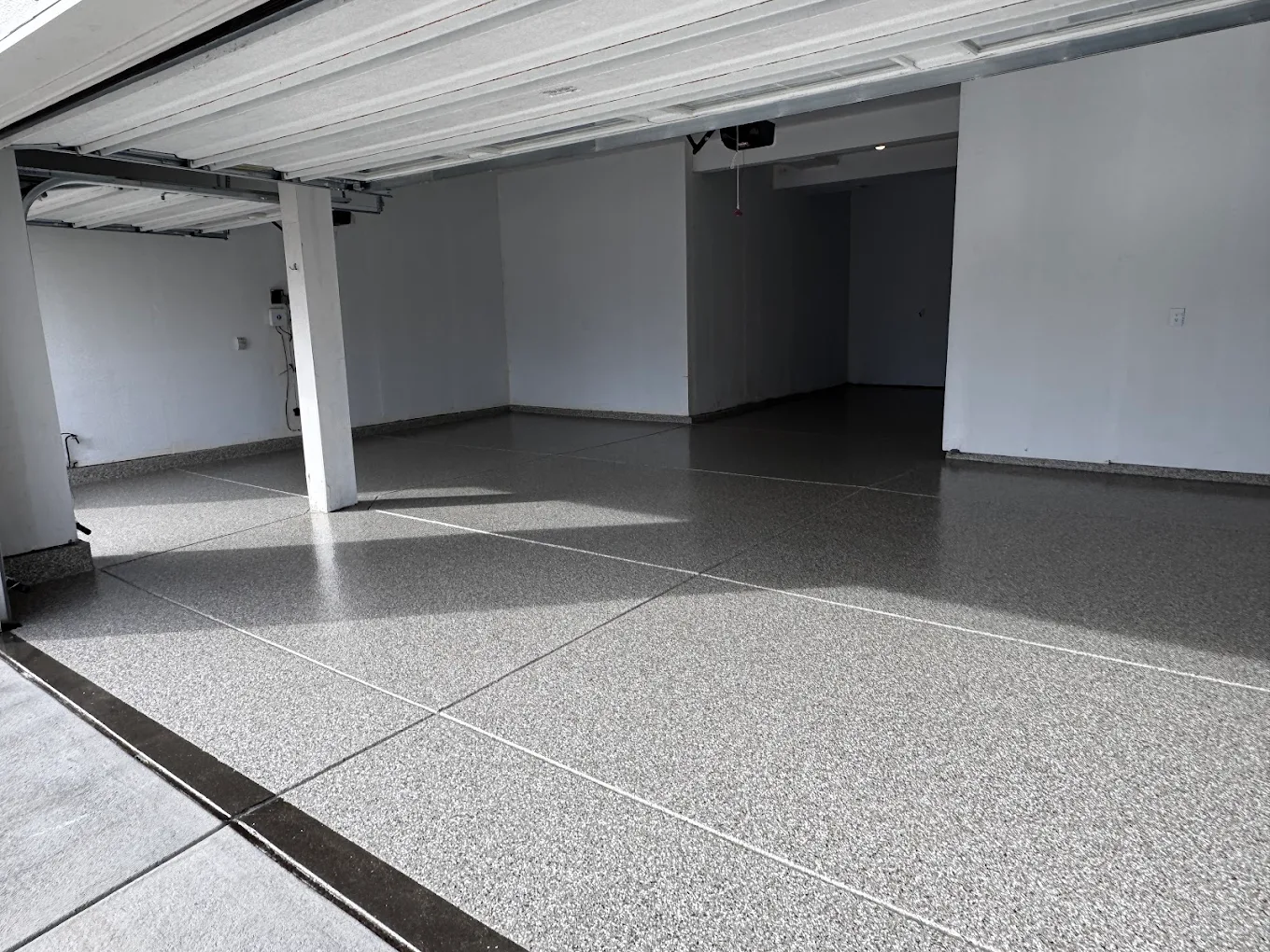
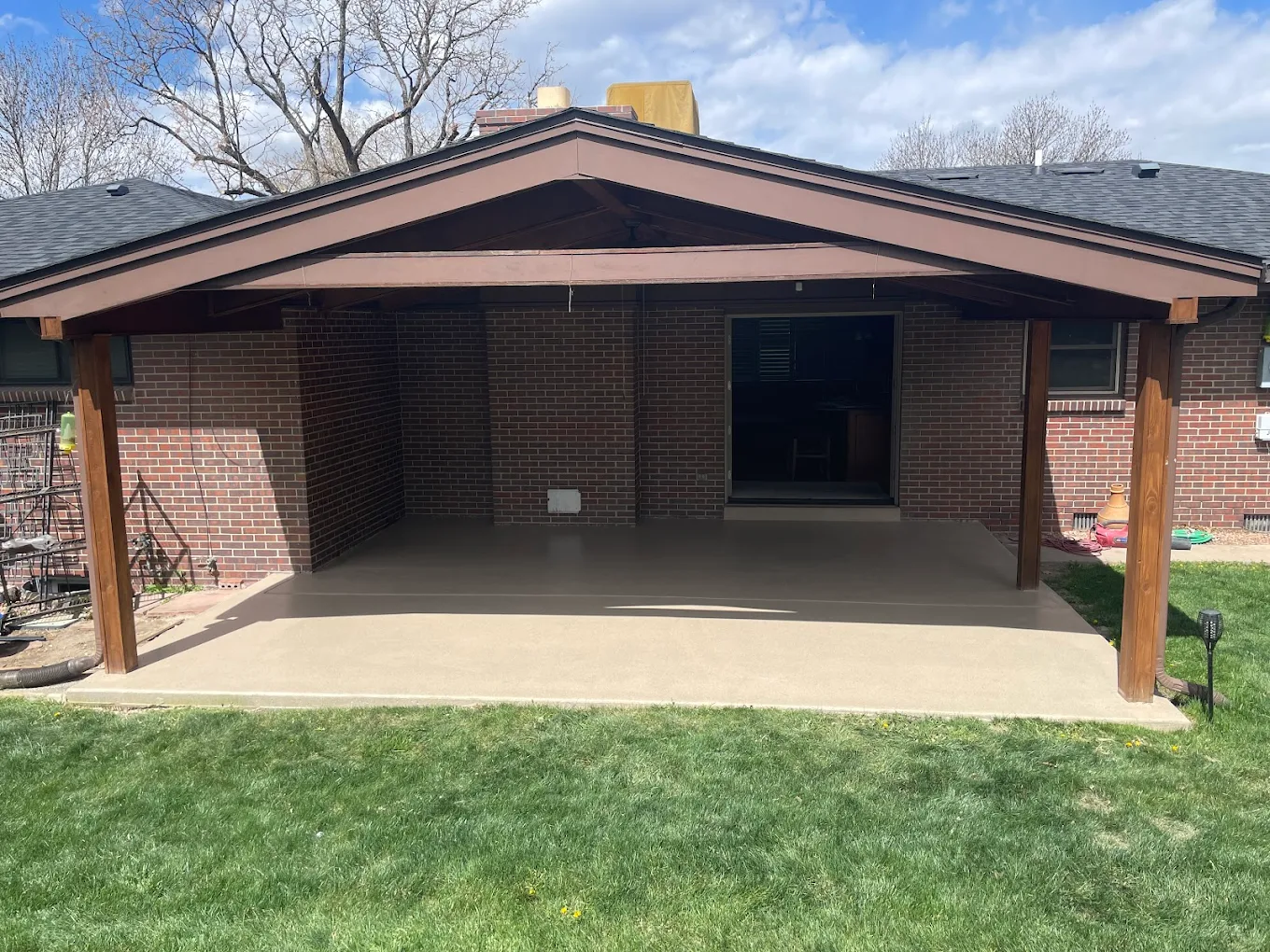
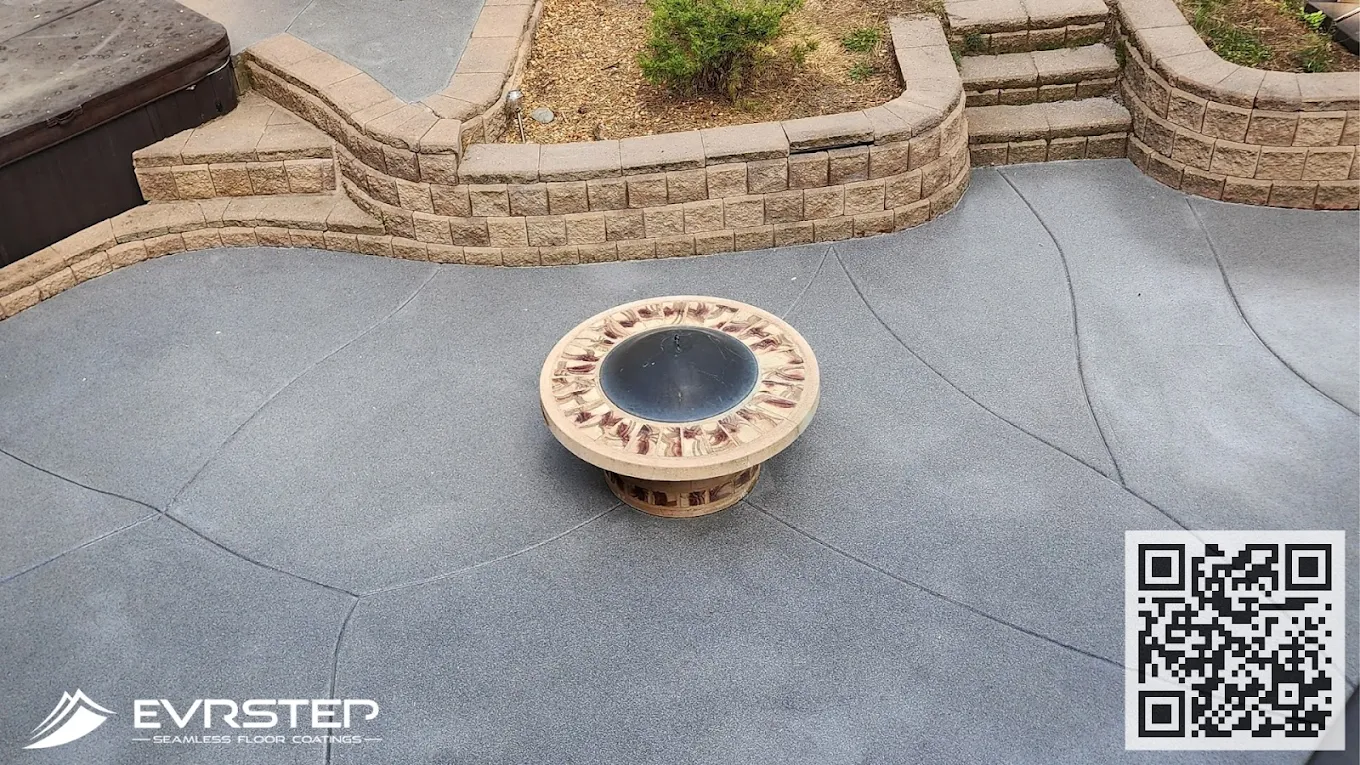
Outdoor epoxy systems in the Parker, Colorado area generally last between 3 to 7 years before needing maintenance, with total system lifespans reaching 10+ years. Parker’s high altitude, intense UV exposure, and freeze-thaw cycles degrade standard epoxies rapidly, making premium installation and topcoats vital for longevity.
Parker‑Specific Lifespan Breakdown
Key Factors Impacting Longevity
How to Maximize Lifespan
To learn more about what systems perform best in the Parker area, consider reviewing the local options and warranties offered by area experts such as EvrStep Epoxy Coatings or Elevated Epoxy Coatings.
- Untreated/DIY Base Epoxy: 1–3 years. Standard epoxy yellows, chalks, and cracks when subjected to sustained, direct sunlight.
- High‑Quality Epoxy with Topcoat: 5–10+ years. A UV‑stable protective topcoat prevents sun damage and yellowing, making the surface last significantly longer.
- UV Exposure: The high altitude in Parker increases solar radiation, which causes standard epoxy to fade and chalk out over time.
- Freeze‑Thaw Cycles: Colorado’s drastic temperature fluctuations cause moisture trapped under concrete to expand. Proper moisture testing and vapor barrier application determine whether an epoxy floor lasts 15 years or fails in 18 months.
- Protective Topcoat: Epoxy acts as an excellent base layer, but installing a UV‑stable topcoat like polyaspartic or urethane is required for outdoor durability.
- Use Polyaspartic Topcoats: Ask contractors to use a polyurea or polyaspartic finish, which doesn’t yellow in the sun and stands up well to extreme temperature swings.
- Meticulous Prep: Most outdoor coating failures trace back to inadequate surface preparation (e.g., failing to diamond‑grind the concrete) or skipping moisture testing.
- Routine Maintenance: Sweep regularly, avoid harsh chemical cleaners, and periodically reseal/recoat the surface when wear shows.
- The differences between epoxy and polyaspartic topcoats?
- Local Parker contractors offering lifetime warranties?
- Pricing estimates per square foot for exterior coatings in Colorado?
Outdoor epoxy longevity hinges on UV protection, moisture control, and proper prep. Ignoring any of these can cut service life to a few years, while premium systems can exceed a decade.
Ever wondered why some outdoor epoxy patios in Parker start yellowing after a single summer while others stay pristine for years? The answer lies in a mix of climate, chemistry, and how the surface is prepared before the first coat.
In this guide we’ll break down the most overlooked factors that dictate outdoor epoxy longevity, show you how to spot weak spots, and give practical steps you can follow to keep your coating looking and performing at its best.
Why Most Outdoor Epoxy Fails Within 18 Months of Perfect Installation
Even when a contractor follows every instruction, many Parker homeowners see cracks, chalking, or delamination within a year. The hidden culprit is often a mismatch between the coating system and the local climate. Understanding why these failures happen helps you avoid costly re‑work.
In practice, the combination of high UV intensity, freeze‑thaw cycles, and occasional de‑icing salts creates a perfect storm for standard epoxy systems. When the chemistry of the resin can’t keep up, the coating gives way long before its advertised lifespan.
Common Failure Triggers
- UV Overload: Standard epoxy resin absorbs UV energy, causing polymer breakdown and surface chalking within months.
- Moisture Migration: Inadequate testing lets vapor escape, forming bubbles that pop and peel the coating.
- Temperature Shock: Applying at low temperatures creates a brittle film that cracks when daytime heat spikes.
- Improper Curing: Skipping the recommended cure time leaves a soft surface that wears quickly under foot traffic.
- Lack of Topcoat: Without a UV‑stable layer, the base epoxy is exposed directly to sun, accelerating degradation.
The reality is that a “perfect install” on paper can still fail if the system isn’t matched to Parker’s climate. By addressing each trigger before the first coat, you set the stage for a coating that truly lasts.
UV Inhibitors Degrade Faster Than the Epoxy Itself, Here’s What That Means
Many manufacturers tout UV inhibitors as a cure‑all, yet in Parker’s high‑altitude sun those additives break down faster than the resin they protect. When the inhibitors fail, the epoxy’s own chemistry is exposed to relentless UV radiation.
The effect is a rapid loss of gloss, color shift, and surface chalking that can make a fresh floor look old within a single season. Knowing how to compensate for this degradation is essential for long‑term outdoor epoxy longevity.
Mitigation Strategies
- Topcoat Upgrade: Apply a polyaspartic or aliphatic polyurethane topcoat that contains HALS stabilizers for lasting UV protection.
- Shade Structures: Use pergolas or awnings to reduce direct sun exposure on high‑traffic areas.
- Regular Re‑Coating: Schedule a topcoat refresh every 3‑5 years to replace depleted UV inhibitors.
- Additive Selection: Choose products that meet ASTM G154 UV exposure standards for proven performance.
- Surface Cleaning: Remove surface contaminants that can accelerate UV‑induced breakdown.
In short, relying on the epoxy’s built‑in UV inhibitors alone is a gamble. Pairing a robust topcoat with proactive maintenance ensures the coating’s integrity outlasts the sun’s assault.
The Surface Prep Decision That Determines Whether You Get 3 Years or 15
Surface preparation is the foundation of any successful coating system. In Parker, where expansive soils can cause subtle slab movement, a weak bond quickly turns into delamination.
A well‑executed prep routine, clean, dry, and properly profiled, creates a mechanical key that lets the epoxy cling through temperature swings and moisture cycles.
Prep Essentials
- Concrete Profile: Aim for a CSP 3‑4 finish via diamond grinding to provide enough texture for adhesion.
- Moisture Testing: Use ASTM F2170 probes to confirm relative humidity below 75 % before any coating.
- Dust Control: Employ HEPA extraction during grinding to prevent airborne particles from contaminating the surface.
- Primer Application: Apply a moisture‑mitigating primer that meets SSPC‑SP13 standards for added protection.
- Sealant Check: Verify that any existing sealants are fully cured and compatible with the new epoxy system.
Skipping any of these steps can reduce a coating’s life to a few years. When done right, the same surface can support a system that endures a decade or more.
How Temperature Swings During Curing Sabotage Long‑Term Adhesion
Curing is a chemical reaction that is highly temperature‑sensitive. In Parker, daytime highs can soar above 90 °F while night lows dip below freezing, creating a thermal gradient that stresses the curing film.
If the resin cures too quickly in the heat, it becomes brittle; if it cures too slowly in the cold, it remains tacky and never achieves full strength.
Temperature Controls
- Timing: Schedule applications for early morning or late afternoon when temperatures are moderate.
- Heat Blankets: Use portable heaters in cooler weather to keep the substrate above the minimum cure temperature.
- Shade Tents: Deploy shade to prevent overheating on hot, sunny days that could accelerate cure too fast.
- Humidity Monitoring: Keep relative humidity below 85 % to avoid solvent entrapment and pinholes.
- Cure Verification: Conduct a pull‑off adhesion test after 24 hours to confirm proper film formation.
Managing temperature isn’t just about comfort; it directly influences the chemical cross‑linking that determines how well the epoxy bonds to concrete over the long haul.
Topcoat Reapplication Schedules Nobody Follows (But Should)
Even the best epoxy systems need a protective layer to fight UV and wear. Yet many homeowners never revisit the topcoat, assuming the original application will last forever.
A disciplined recoat schedule can dramatically extend outdoor epoxy longevity, especially in Parker’s harsh sun and freeze‑thaw environment.
Recoat Timing
- First Refresh: Apply a fresh topcoat after 2‑3 years in high‑sun zones to restore gloss and UV protection.
- Mid‑Life Check: At the 5‑year mark, evaluate surface wear; if the DCOF drops below 0.42, a recoat is advisable.
- End‑of‑Life: Plan a full system renewal before the 10‑year threshold to avoid unexpected failure.
- Seasonal Planning: Schedule recoat work during dry, mild weather to ensure proper curing.
- Documentation: Keep a log of all applications and inspections to track performance and warranty compliance.
Treating topcoat maintenance as a routine chore rather than an afterthought pays off with a surface that stays resilient and attractive for years.
What ‘UV‑Resistant’ Actually Promises vs. What Your Exterior Epoxy Needs
Marketing terms like “UV‑resistant” can be misleading. A coating may pass a basic UV test yet still yellow under Parker’s intense sunshine.
Real UV resilience means maintaining gloss, color, and flexibility after prolonged exposure, which requires both the right resin chemistry and a proven testing protocol.
True UV Protection
- Testing Standard: Look for compliance with ASTM G154, which simulates years of sun exposure in a lab.
- Stabilizer Type: HALS (Hindered Amine Light Stabilizers) outperform simple UV absorbers in long‑term performance.
- Topcoat Thickness: A minimum of 30 mil film provides a buffer that slows UV penetration.
- Additive Compatibility: Ensure the UV stabilizer is compatible with the base epoxy to avoid soft spots.
- Warranty Terms: Choose products that offer a minimum 5‑year UV‑performance guarantee.
When a product truly meets these criteria, you’ll see a surface that resists yellowing and retains its protective qualities throughout Parker’s sun‑heavy summers.
The One Climate Factor That Predicts Outdoor Epoxy Longevity Better Than Product Grade
Among all variables, the frequency of freeze‑thaw cycles stands out as the single best predictor of how long an outdoor epoxy will survive. Each cycle forces trapped moisture to expand and contract, testing the bond between coating and concrete.
If a system can tolerate these cycles, it will likely endure other stresses like UV and traffic with equal resilience.
Freeze‑Thaw Resilience
- Moisture Barrier: Use vapor‑barrier primers that meet SSPC‑SP13 to limit water ingress.
- Flexible Resin: Choose formulations with a lower glass transition temperature (Tg) to accommodate expansion.
- Aggregate Choice: Incorporate aluminum oxide or quartz aggregates that absorb less water.
- Testing: Conduct a freeze‑thaw durability test per ASTM D1557 to verify performance.
- Installation Timing: Avoid applying during periods of high ground moisture, typically early spring.
By focusing on freeze‑thaw resilience, you address the most aggressive climate stress in Parker, ensuring that your epoxy system outlasts the typical 3‑year expectation.
Extending Outdoor Epoxy Life
Across Parker, the secret to lasting outdoor epoxy isn’t a single product but a system approach that respects UV intensity, moisture dynamics, and temperature swings. By selecting UV‑stable topcoats, performing thorough moisture testing, and maintaining a disciplined recoat schedule, you can push service life well beyond the average three‑year mark.
Ready to protect your patio, driveway, or walk‑way for years to come? Reach out to a qualified local specialist who understands Parker’s unique climate and can tailor a coating system that meets your durability goals.
Author
This article was written by the EvrStep Epoxy Coatings Editorial Team, experienced professionals serving Parker. Our team focuses on educating clients and providing valuable insights to help them make informed decisions.