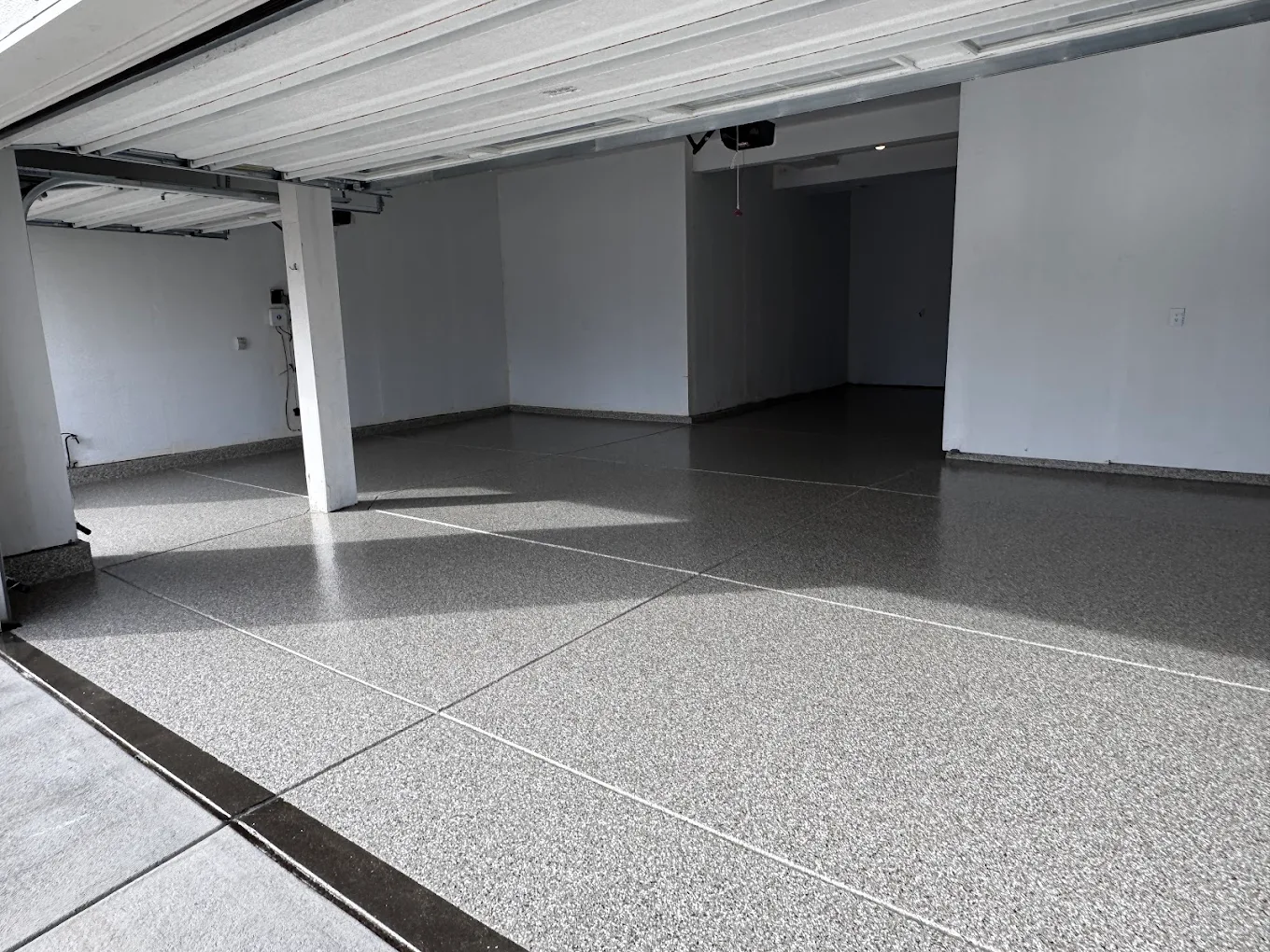
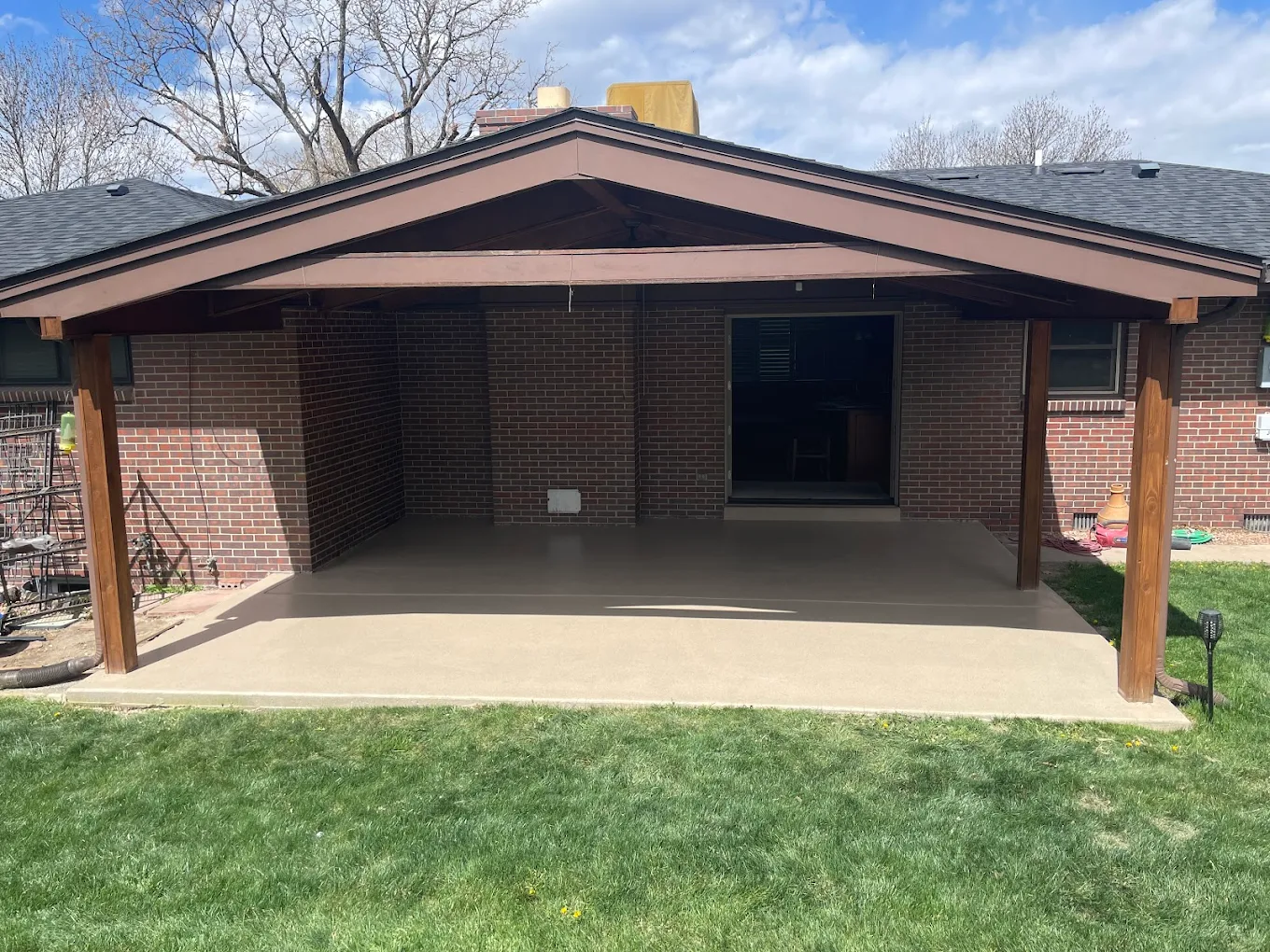
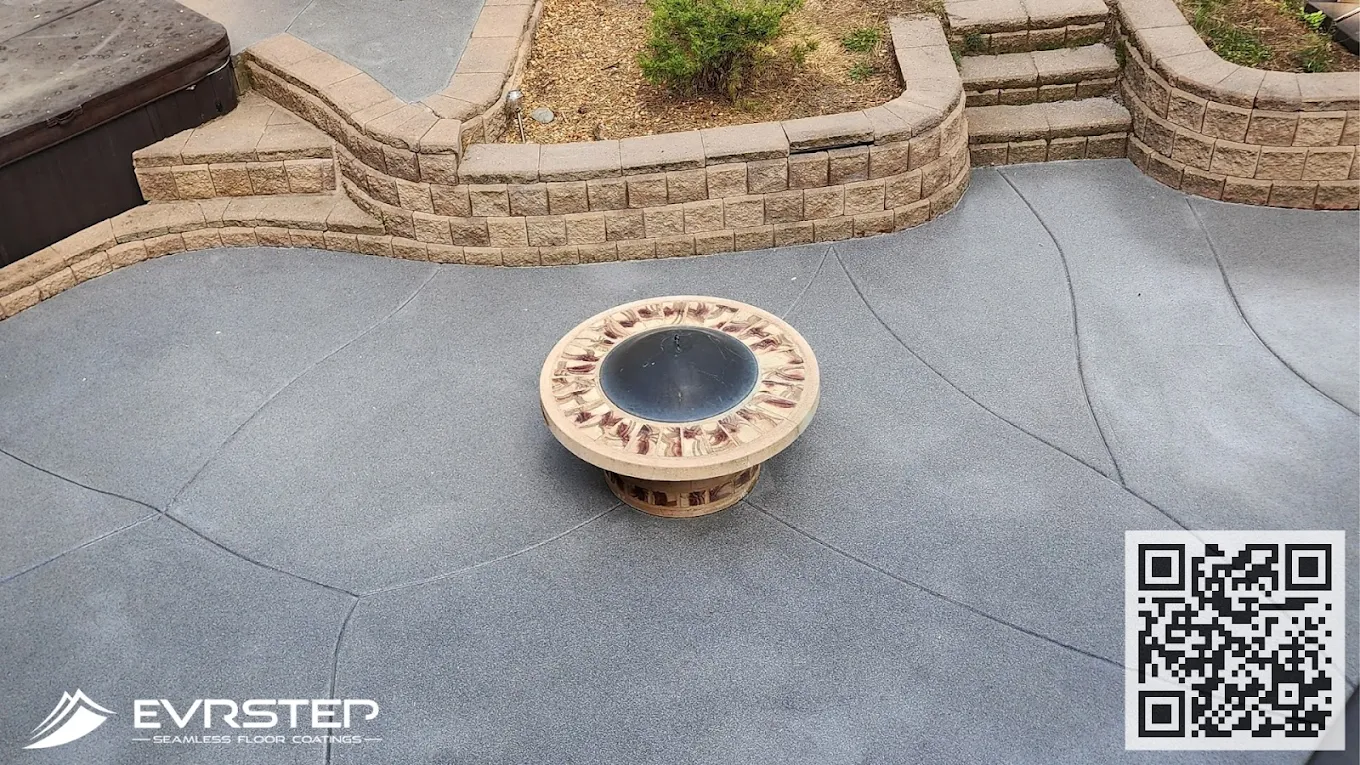
When deciding between an epoxy coating over an existing concrete slab and a brand‑new paver patio for your home in the Parker, Colorado area, pavers are the superior, long‑term investment. Pavers handle Colorado’s freeze‑thaw cycles without cracking, while outdoor epoxy can yellow and delaminate over time.
For tips on how to properly install or restore outdoor hardscapes:
Key Differences to Consider
Local Considerations for Parker, CO
The Bottom Line
- Freeze‑Thaw Cycles: Parker experiences deep temperature drops and thaws throughout the winter. Concrete slabs will expand and contract, which spells trouble for rigid epoxy coats. Pavers are “pre‑cracked” and interlock, allowing for expansion.
- Soil Conditions: Expansive clay soils in Colorado cause foundation and hardscape shifting. Paver patios can be re‑leveled easily.
- Sun Exposure: High altitude means high UV rays. Standard epoxy is known to yellow over time when exposed to the sun’s harsh UV light, requiring marine‑grade or polyaspartic topcoats to slow down discoloration.
- Area Size: How large is the area you are looking to cover?
- Existing Surface: Is there existing concrete in place, or is it bare dirt?
- DIY or Contractor: Are you planning a DIY project or hiring a local contractor?
Pavers outlast epoxy in Parker’s harsh climate, but epoxy offers a fast, budget‑friendly facelift when the slab is flawless.
If you’ve ever stared at a cracked patio after a Colorado winter, you know the frustration of a surface that can’t keep up with the weather. The question of epoxy vs pavers patios pops up whenever homeowners weigh cost, speed and long‑term durability.
In this guide we’ll walk through the hidden factors most people overlook, from drainage quirks to repair access, and show how each option performs under Parker’s sun, snow and soil. By the end you’ll know which material truly fits your lifestyle and budget.
Why Pavers Look Great Year One But Epoxy Wins by Year Five
When a fresh paver patio is laid, the crisp lines and bright colors create instant curb appeal, especially in a neighborhood like Parker where outdoor living is prized. Homeowners often feel a surge of pride as the new surface mirrors a showroom finish.
However, as the seasons change, the reality of Colorado’s freeze‑thaw cycles begins to test that initial sparkle. Epoxy, especially when paired with a polyaspartic topcoat, can retain its sheen longer than many expect, but the underlying concrete still shifts, leading to eventual delamination.
A side‑by‑side look at key attributes helps clarify the trade‑offs:
| Attribute | Epoxy Coating | Concrete Pavers |
|---|---|---|
| UV Resistance | Requires polyaspartic topcoat | Naturally UV stable |
| Freeze‑Thaw Handling | Depends on substrate stability | Joint movement absorbs stress |
| Repair Method | Full surface recoating | Replace individual units |
Key Performance Factors
- Initial Aesthetics: Pavers provide a textured, natural look that photographs well, while epoxy offers a seamless, glossy surface that can look too slick for some tastes.
- UV Stability: Standard epoxy yellows after two to three years under Parker’s high altitude sun; polyaspartic topcoats extend life but add cost.
- Freeze‑Thaw Tolerance: Pavers accommodate expansion through joint movement, whereas epoxy relies on the substrate’s integrity to avoid cracking.
- Maintenance Frequency: Epoxy may need re‑coating every 5‑7 years, while pavers typically require resealing and occasional joint sand refresh.
- Long‑Term Value: Pavers add tangible resale value by enhancing landscape design, whereas epoxy’s impact on home equity is modest.
In practice, the choice hinges on how long you plan to stay in your Parker home and how much you value immediate visual impact versus lasting durability. If you’re prepared for occasional resealing, epoxy can look great for a few years, but pavers keep their charm and structural integrity far beyond the five‑year mark.
The Drainage Problem That Makes or Breaks Your Patio Choice
Water pooling is a silent enemy of outdoor surfaces, especially after a summer storm in Parker. A patio that doesn’t let rain infiltrate can create slippery hazards and damage nearby foundations.
Both epoxy and paver systems can be designed for proper drainage, but the underlying approach differs dramatically. Understanding those differences prevents costly retrofits later on.
Drainage Design Essentials
- Base Preparation: Pavers sit on an open‑graded base that promotes infiltration, while epoxy relies on a flat, sealed slab that must be sloped correctly.
- Slope Requirements: A 1‑2 % slope is standard for both, but pavers can accommodate minor errors with joint sand, whereas epoxy will channel water to low spots.
- Permeable Options: Permeable pavers meet Douglas County stormwater guidelines, reducing runoff and easing municipal fees.
- Moisture Testing: Before epoxy application, ASTM F2170 humidity testing ensures the concrete isn’t too wet, avoiding adhesion failure.
- Edge Restraint: Rigid edge restraints keep pavers from shifting, while epoxy needs a continuous seal at the perimeter to prevent seepage.
If you live near a slope or have a garden that benefits from water infiltration, pavers give you a built‑in drainage advantage. Epoxy can work, but only with meticulous surface preparation and a well‑designed slope.
What Happens When Tree Roots Meet Pavers vs Epoxy Coatings
Tree roots are nature’s hidden intruders, and they can wreak havoc on any patio material. In Parker’s suburban yards, mature oaks and maples are common, and their roots often spread beneath the surface.
The interaction between roots and your chosen patio system determines whether you’ll face heaving, cracking, or a simple surface blemish.
Root Interaction Outcomes
- Paver Flexibility: Individual units can shift slightly, allowing roots to grow without breaking the entire surface; joint sand can be replenished as needed.
- Epoxy Rigidity: A solid coating transfers root pressure to the substrate, often resulting in surface cracking or delamination.
- Root Barriers: Installing a geotextile under pavers creates a barrier, while epoxy requires a root‑resistant primer that is rarely foolproof.
- Repair Simplicity: Replacing a lifted paver is a quick job; fixing epoxy cracks usually means grinding and re‑coating the affected area.
- Long‑Term Impact: Persistent root growth under epoxy can lead to widespread failure, whereas pavers isolate damage to localized spots.
When mature trees are part of your landscape, pavers provide a forgiving platform that tolerates root movement. Epoxy may look sleek, but it trades flexibility for a higher risk of hidden damage.
How Summer Surface Temperatures Differ Between Epoxy and Pavers
A midday summer patio in Parker can feel like an oven, especially when the sun reflects off light surfaces. The material you choose influences how hot the ground gets under your feet.
Understanding temperature dynamics helps you decide which surface feels comfortable for barefoot walks or outdoor dining.
Temperature Factors
- Heat Absorption: Dark epoxy absorbs more solar energy, often reaching 130 °F on a clear day, while light‑colored pavers stay closer to 95 °F.
- Thermal Mass: Concrete pavers retain heat longer, releasing it slowly after sunset, whereas epoxy cools more quickly once the sun sets.
- Reflectivity: Adding a light‑colored quartz broadcast to epoxy can lower surface temperature, but it adds cost and complexity.
- Comfort Zones: For families with children, pavers provide a cooler play area; epoxy may require rugs or mats during peak heat.
- Energy Impact: Hot surfaces can raise nearby indoor temperatures, subtly increasing cooling loads for homes with attached patios.
If summer comfort is a priority, choosing a light‑colored paver or a reflective epoxy topcoat can make a noticeable difference. Weigh the upfront cost against the daily comfort you’ll enjoy.
The Hidden Cost Everyone Forgets: Reinstallation and Repair Access
Most homeowners focus on material price, overlooking the hidden expenses of future repairs. In Parker, where weather swings are extreme, the ability to access and fix a problem matters.
Both systems have distinct pathways for repair, and those pathways affect long‑term budgeting.
Repair Considerations
- Epoxy Recoat Cycle: After 5‑7 years, a full surface recoat may be needed, costing $4‑$6 per square foot in labor and materials.
- Paver Joint Renewal: Polymeric sand can be re‑activated with water, a simple task that costs a few dollars per square foot.
- Unit Replacement: Damaged pavers can be lifted and swapped without disturbing the whole patio, saving both time and money.
- Access Difficulty: Epoxy repairs often require grinding the entire area to achieve proper adhesion, which is labor‑intensive.
- Hidden Labor: Removing an existing epoxy slab to install pavers adds demolition costs that many owners forget.
When planning your budget, factor in these future expenses. A slightly higher upfront cost for pavers can translate into lower long‑term maintenance bills, especially in a climate like Parker’s.
Why We Recommend Epoxy for High‑Traffic Patios and Pavers for Low‑Use Areas
High‑traffic zones such as pool decks or outdoor kitchens demand a surface that resists wear and can be cleaned quickly. In Parker, these areas often face both sun and snow, adding to the stress.
Conversely, a decorative patio used mainly for weekend gatherings benefits from a material that offers visual appeal and easy repair.
Usage‑Based Guidance
- Durability: Epoxy’s seamless surface resists staining from grill grease and can handle frequent foot traffic without joint wear.
- Slip Resistance: Adding anti‑slip aggregate to epoxy creates a safe footing, essential for wet or icy conditions.
- Aesthetic Flexibility: Pavers allow pattern changes and color mixes, perfect for creating a focal point in a low‑traffic setting.
- Repair Speed: A cracked paver can be swapped in a day, while epoxy repairs may require curing time of 24‑48 hours.
- Cost Efficiency: For a large, heavily used area, epoxy’s lower material cost per square foot can be more economical despite occasional recoat.
Match the material to the intended use: let epoxy handle the hustle and bustle, and let pavers shine where you want to make a design statement.
The One Paver Advantage Epoxy Can’t Match (and When It Actually Matters)
A single advantage sets pavers apart from any resin coating: the ability to replace individual units without disturbing the surrounding surface. In Parker’s climate, where freeze‑thaw can lift corners, this flexibility becomes a lifesaver.
Understanding when that advantage matters helps you avoid costly full‑patio replacements.
A quick look at repair scenarios highlights the practical difference:
| Scenario | Epoxy Repair | Paver Replacement |
|---|---|---|
| Cracked Surface | Full grind and recoat | Swap individual units |
| Root Intrusion | Potential delamination | Replace affected pavers |
| Surface Staining | Spot cleaning, possible recoating | Clean, reseal joints |
Replacement Benefits
- Localized Damage: A cracked paver can be lifted, cleaned and a new unit set in place within a few hours, preserving the rest of the patio.
- Design Updates: Swap out a few units for a new color or pattern without a full remodel, keeping the space fresh.
- Cost Control: Replacing a handful of pavers costs a fraction of a full epoxy recoat, especially when labor rates rise.
- Future Proofing: As landscaping trends evolve, you can gradually transition to new styles by swapping pavers piece by piece.
- Resilience: Even if a root pushes up a section, only the affected units need attention, not the entire coating.
When you anticipate future changes or potential damage, the modular nature of pavers offers peace of mind that epoxy simply cannot provide.
Choosing the Right Patio Solution
After weighing climate resilience, drainage, temperature, and repair costs, the picture becomes clear: pavers excel in long‑term durability and flexibility, while epoxy shines for quick, low‑budget makeovers on flawless slabs. Parker homeowners can now decide based on how they use their outdoor space and how long they plan to stay in their home.
If you’re ready to start, assess your slab’s condition, consider the amount of foot traffic, and think about future landscaping plans. For a lasting, low‑maintenance surface, pavers are the safe bet; for an immediate, sleek finish, epoxy with a polyaspartic topcoat will serve you well.
Author
This article was written by the EvrStep Epoxy Coatings Editorial Team, experienced professionals serving Parker. Our team focuses on educating clients and providing valuable insights to help them make informed decisions.