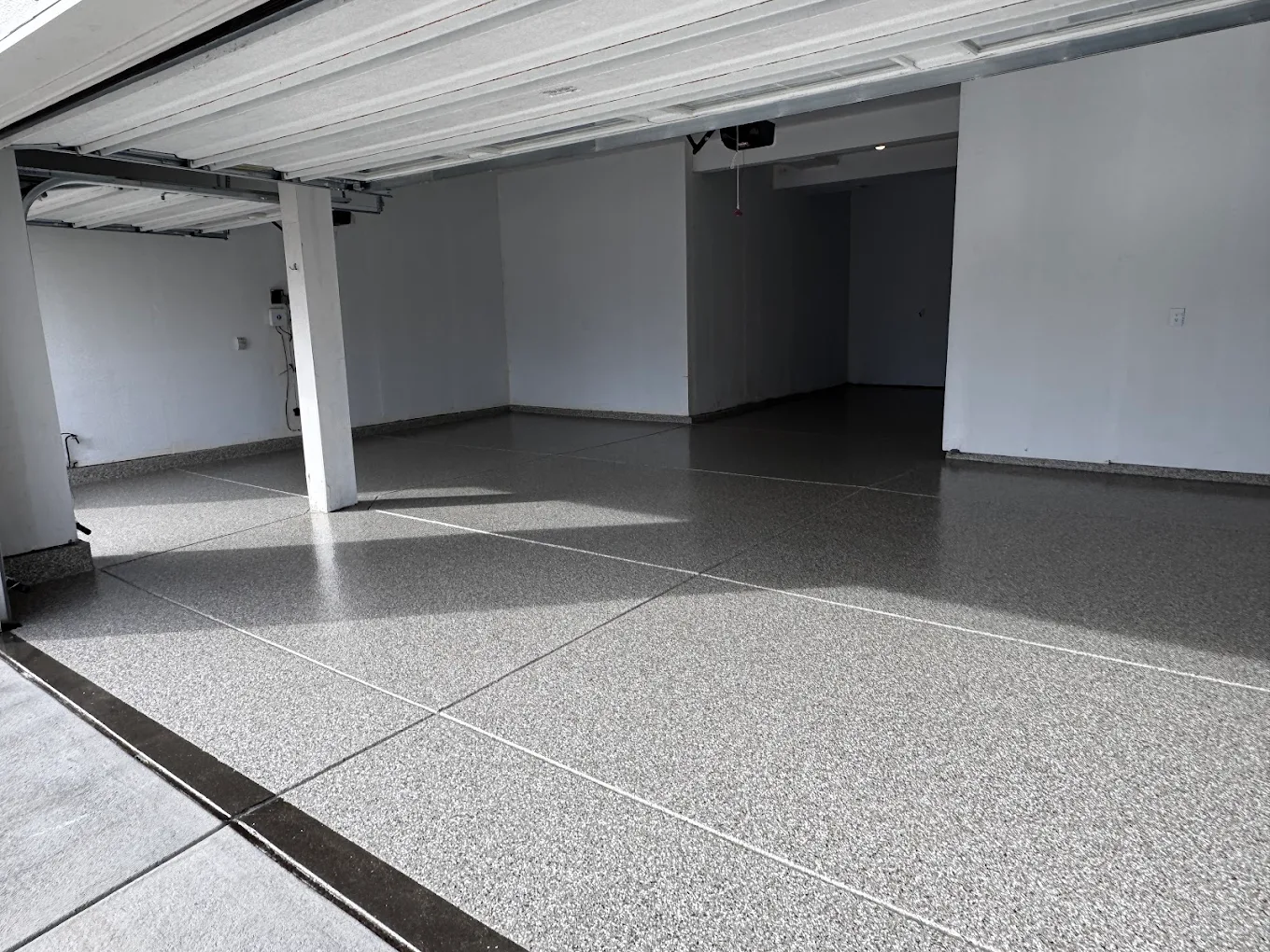
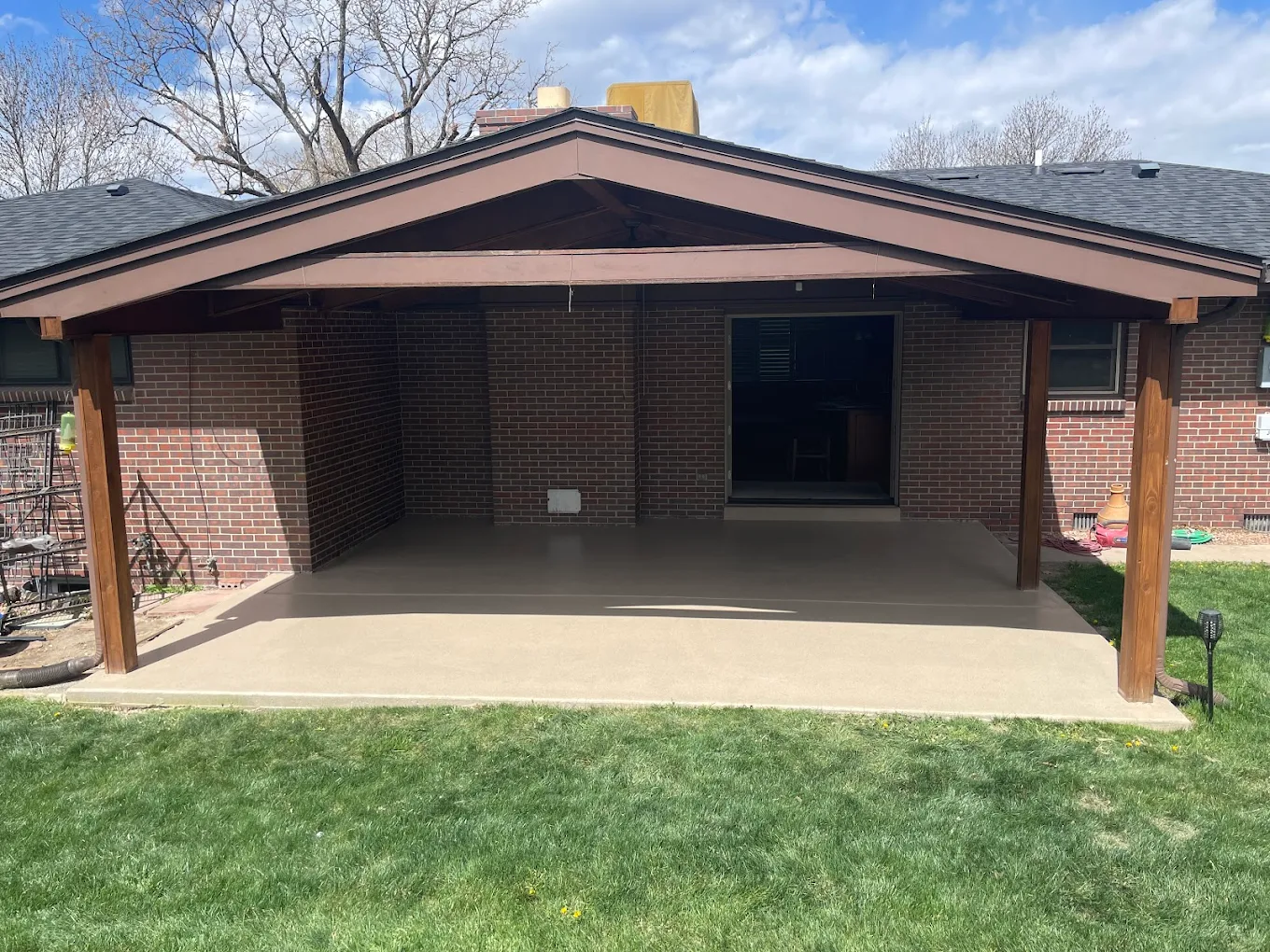
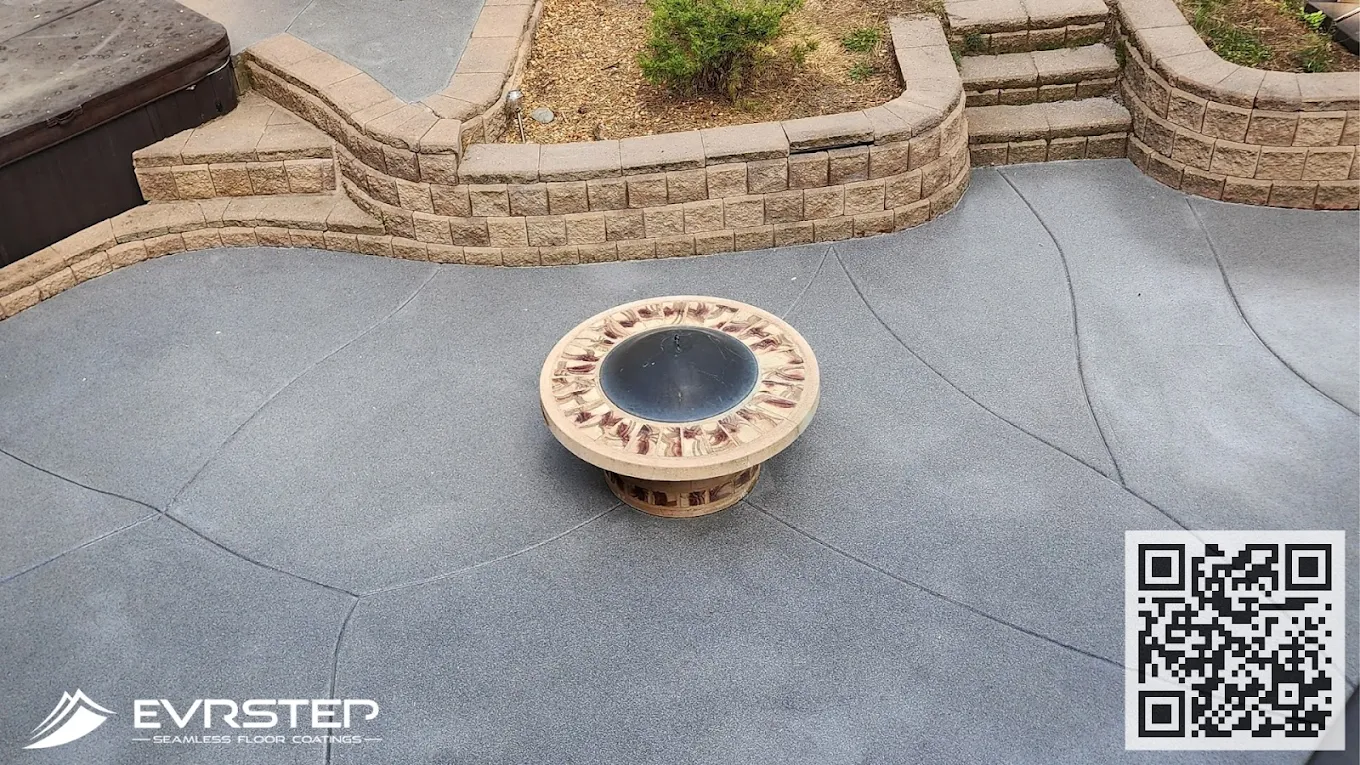
When tackling cockpit floor or deck restoration on a classic Parker boat, owners frequently debate the merits of epoxy resin versus the traditional wood-and-fiberglass approach used in the original builds. Traditional Parkers feature marine plywood decks and wood stringers fully encapsulated in resin and fiberglass, a proven construction method that has served these boats well for decades. However, when repairs become necessary, understanding the material choices and their long-term implications is critical to a successful restoration.
- Wooden Decking Core (With Resin Encapsulation): Classic Parkers rely on marine-grade plywood cores for deck and floor construction, completely encapsulated top and bottom in fiberglass and resin to seal out water, providing a lightweight yet strong core that absorbs shock during heavy offshore pounding. The Achilles’ heel of this system is water intrusion through unsealed fastener holes, deck fittings, or deteriorated tabbing, which allows the wood core to become saturated and rot, resulting in soft or spongy decks that require repair.
- Epoxy Resin Upgrades & Repairs: Epoxy offers superior adhesion to cured wood, old fiberglass, and composite materials compared to standard polyester resin, and creates a true moisture barrier rather than the porous bond that polyester provides. One critical compatibility issue to note: while epoxy bonds permanently to polyester substrates, polyester and vinylester resins will not reliably adhere over cured epoxy, meaning any epoxy-patched deck must be finished with paint rather than gelcoat.
- Specific Model of Your Parker Boat: The exact Parker model you’re working on influences material availability, structural design details, and the repair approach recommended by experienced owners on forums like Classic Parker.
- Extent of Damage: Whether you’re addressing a small soft spot or planning a complete deck replacement determines the scope of materials needed, the time investment required, and whether a full epoxy conversion makes economic sense.
- Preference for Wood Core vs. Composite Core: Many restorers now consider replacing rotted plywood with composite alternatives like Coosa board, which eliminates future rot concerns while maintaining structural properties similar to the original wood core construction.
Epoxy offers superior moisture protection and durability, but wood can last if properly sealed and maintained. In Parker’s climate, the right choice hinges on exposure, budget, and long‑term upkeep.
If you’ve ever stared at a weathered deck and wondered whether a fresh coat of epoxy could save it, you’re not alone. Homeowners in Parker often face the dilemma of choosing between a high‑tech resin system and a classic wooden deck, each promising longevity in its own way.
This guide breaks down the hidden factors that most guides overlook, from freeze‑thaw stress to hidden cost gaps, and shows you how to decide which material truly stands the test of time for your outdoor space.
Why Most Wooden Decks Start Failing After Just Three Summers
In Parker, the first three summers bring a relentless mix of UV intensity, occasional hail, and rapid temperature swings. Wood that looks solid in spring can begin to splinter, warp, or rot by the end of the third season if moisture finds its way into the grain.
The primary culprit is moisture migration through unsealed fasteners and the natural expansion of wood fibers. When water pools under a deck board, it creates a pocket that freezes, expands, and eventually forces the wood apart, leading to a soft or spongy feel that signals failure.
Key Failure Drivers
- Moisture Intrusion: Water seeping through screw heads or deck joints saturates the wood core, accelerating rot and reducing structural stiffness.
- UV Degradation: High‑altitude sunlight breaks down lignin in wood, causing surface checking and loss of protective oils, which speeds up wear.
- Freeze‑Thaw Cycle: Repeated expansion and contraction from freezing water creates micro‑cracks that propagate, compromising load‑bearing capacity.
- Improper Ventilation: Lack of airflow beneath the deck traps humidity, preventing the wood from drying out and fostering fungal growth.
Because these factors compound quickly, many Parker homeowners see their wooden decks deteriorate after just a few warm months. Addressing each driver, through proper sealing, ventilation, and regular inspection, can extend service life, but the effort often rivals the cost of a full epoxy resurfacing.
The Hidden Cost Gap Between Epoxy and Wood Nobody Talks About
Most homeowners focus on material price tags, overlooking the long‑term expenses that emerge after installation. In Parker’s climate, epoxy systems may have a higher upfront cost, yet they often avoid hidden fees that wood decks accrue over time.
When you factor in maintenance, repair labor, and potential premature replacement, the financial picture shifts dramatically. Understanding these hidden costs helps you compare apples to apples rather than just sticker price.
A side‑by‑side view of typical cost categories clarifies where the hidden gaps appear.
| Cost Category | Epoxy System | Wood Deck |
|---|---|---|
| Initial Material | $12‑$18 per sq ft | $8‑$12 per sq ft |
| Annual Maintenance | $0.30 per sq ft (cleaning) | $1.20 per sq ft (sealant, stain) |
| Repair Labor | $75‑$120 per hour (patch) | $45‑$80 per hour (board replacement) |
Financial Implications
- Material Investment: Epoxy includes resin, hardener, and topcoat, which together cost more per square foot but eliminate the need for periodic staining.
- Maintenance Frequency: Wood requires annual sealing and occasional sanding, adding labor and material expenses that compound over a decade.
- Repair Complexity: Epoxy patches can be applied quickly with minimal disruption, whereas wood repairs often involve board removal and re‑fastening.
- Disposal Costs: Replacing wood decks generates waste disposal fees, while epoxy resurfacing typically reuses the existing substrate.
- Resale Value Impact: Properly maintained epoxy decks can boost curb appeal, whereas a weathered wood deck may deter potential buyers.
By looking beyond the headline price, you’ll see that epoxy’s higher initial expense often translates into lower total cost of ownership, especially in a region like Parker where weather accelerates wood deterioration.
What Happens to Wood Grain When You Apply Epoxy Over Existing Decking
Applying epoxy directly onto an existing wooden deck creates a sealed barrier that locks the grain in place. The resin fills pores, preventing moisture from reaching the fibers, which can halt rot but also changes how the wood reacts to temperature.
In Parker’s high‑UV environment, the epoxy’s aliphatic topcoat reflects sunlight, reducing the wood’s natural expansion and contraction. However, if the wood isn’t properly sanded, the bond may be uneven, leading to surface imperfections.
Grain Effects
- Moisture Lock‑In: Epoxy seals the wood grain, eliminating water absorption and dramatically reducing swelling during humid periods.
- Thermal Stabilization: The coating’s insulating layer dampens temperature‑driven movement, keeping the deck flatter and less prone to cupping.
- Surface Gloss: The cured resin creates a glossy finish that highlights the wood’s natural pattern, adding visual appeal while protecting against UV‑induced fading.
When done correctly, epoxy transforms a porous wooden surface into a durable, low‑maintenance platform. The key is thorough surface preparation; otherwise, trapped moisture can cause delamination beneath the glossy layer.
How Coastal Humidity and UV Exposure Change the Entire Comparison
Even though Parker isn’t on the coast, its high elevation brings intense UV radiation and occasional humidity spikes that mimic coastal conditions. These factors accelerate degradation for both epoxy and wood, but they do so in different ways.
Understanding how UV and moisture interact with each material reveals why one may outperform the other under the same environmental stressors.
The table below contrasts UV and humidity resilience for the two decking options.
| Factor | Epoxy Decking | Wood Decking |
|---|---|---|
| UV Resistance | Aliphatic topcoat retains color for 8‑10 years | Surface fades, grays after 3‑5 years |
| Moisture Tolerance | Impermeable barrier, no swelling | Absorbs water, may warp or rot |
| Thermal Expansion | Low coefficient, stable under temperature swings | Higher coefficient, expands with heat |
Environmental Impact
- UV Degradation: Epoxy’s UV‑stable additives prevent chalking, while wood’s natural pigments break down, leading to a weathered look.
- Humidity Cycling: The resin’s sealed surface resists moisture ingress, whereas wood expands and contracts with each humidity shift, creating gaps.
- Freeze‑Thaw Interaction: Epoxy remains flexible enough to accommodate slight substrate movement, while wood can split under repeated freeze‑thaw stress.
In Parker’s sun‑baked, occasionally humid climate, epoxy’s engineered resistance to UV and moisture gives it a clear advantage, especially for decks exposed to direct sunlight for most of the day.
The Splinter Problem vs. The Slip Resistance Question: Which Actually Matters More
Safety concerns dominate deck decisions, especially for families with children or pets. Splinters pose a direct injury risk, while slip resistance becomes critical during winter snow and ice melt common in Parker.
Both issues are linked to material choice, but the trade‑off isn’t always obvious; a deck that eliminates splinters may still be dangerously slick.
Safety Priorities
- Splinter Reduction: Epoxy creates a smooth, sealed surface that eliminates wood fibers, removing the primary source of splinters.
- Slip Resistance: Adding fine aggregate to epoxy can achieve a coefficient of friction of 0.55‑0.60, meeting ANSI A326.3 standards for wet conditions.
- Wood Maintenance: Regular sanding and proper sealing can reduce splinters, but the process is labor‑intensive and must be repeated annually.
- Winter Grip: Epoxy’s textured topcoat maintains traction even when ice forms, whereas wood boards often become slick without additional anti‑slip treatments.
For Parker homeowners, the slip‑resistance factor often outweighs splinter concerns, especially during icy months. Selecting a deck system that addresses both issues delivers the safest outdoor environment.
Why Epoxy Decking Outlasts Wood in High‑Traffic Commercial Applications
Commercial patios and restaurant terraces endure constant foot traffic, dropped trays, and occasional equipment moves. In these settings, durability and quick recovery are paramount.
Epoxy’s chemical resistance and abrasion tolerance make it a preferred choice for businesses that cannot afford frequent downtime for deck repairs.
Commercial Advantages
- Abrasion Resistance: Epoxy formulations meet ASTM D4060 standards with weight loss under 50 mg per 1000 cycles, far surpassing untreated wood.
- Chemical Protection: Spills of oils, acids, or cleaning agents have little effect on cured epoxy, while wood absorbs and stains easily.
- Fast Recovery: Minor scratches can be spot‑repaired without disrupting service, whereas wood boards often need full replacement.
- Load‑Bearing Consistency: Epoxy’s rigid film distributes weight evenly, reducing stress on underlying joists compared to wood’s uneven wear.
When a commercial deck must stay operational day after day, epoxy’s resilience translates into lower maintenance costs and fewer interruptions, making it the logical long‑term investment.
What a 15‑Year Maintenance Timeline Looks Like for Both Materials
Planning ahead helps homeowners budget for the full lifespan of their deck. Below is a realistic 15‑year outlook that balances routine care with inevitable repairs.
Both epoxy and wood have distinct milestones; knowing them lets you schedule work during low‑traffic periods and avoid surprise expenses.
15‑Year Milestones
- Year 1‑5: Epoxy requires only gentle cleaning; wood needs annual sealing and occasional sanding to prevent surface wear.
- Year 6‑10: Epoxy may need a light topcoat refresh if UV exposure causes slight gloss loss; wood often shows early rot at joist connections, prompting targeted board replacement.
- Year 11‑15: Epoxy can be fully re‑coated with minimal prep, extending life another decade; wood decks typically demand a full resurfacing or replacement due to cumulative decay.
By mapping out these checkpoints, Parker residents can make informed decisions that align with their budget and lifestyle, ensuring the deck remains safe and attractive for years to come.
Choosing the Right Deck for Parker
The evidence shows that epoxy’s moisture barrier, UV stability, and slip‑resistance give it a clear edge in Parker’s demanding climate, especially for high‑traffic or commercial settings. Wood can still perform well when meticulously sealed and maintained, but the hidden costs and maintenance frequency often tip the scale toward resin.
If you’re ready to invest in a deck that minimizes long‑term hassle and maximizes safety, consider a professional epoxy coating. For personalized advice or a site‑specific estimate, reach out today and let the experts guide you toward the best solution for your outdoor space.
Author
This article was written by the EvrStep Epoxy Coatings Editorial Team, experienced professionals serving Parker. Our team focuses on educating clients and providing valuable insights to help them make informed decisions.