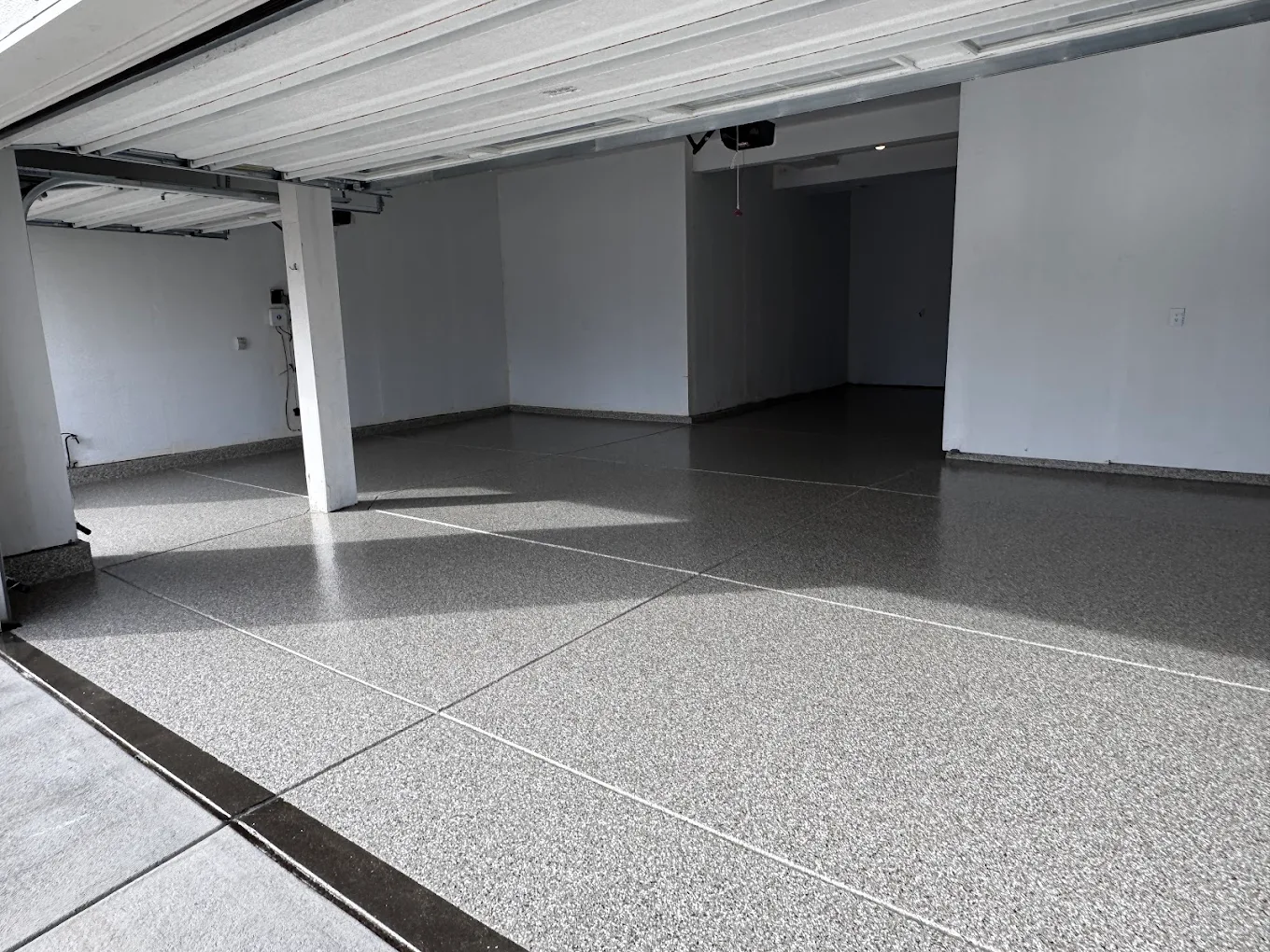
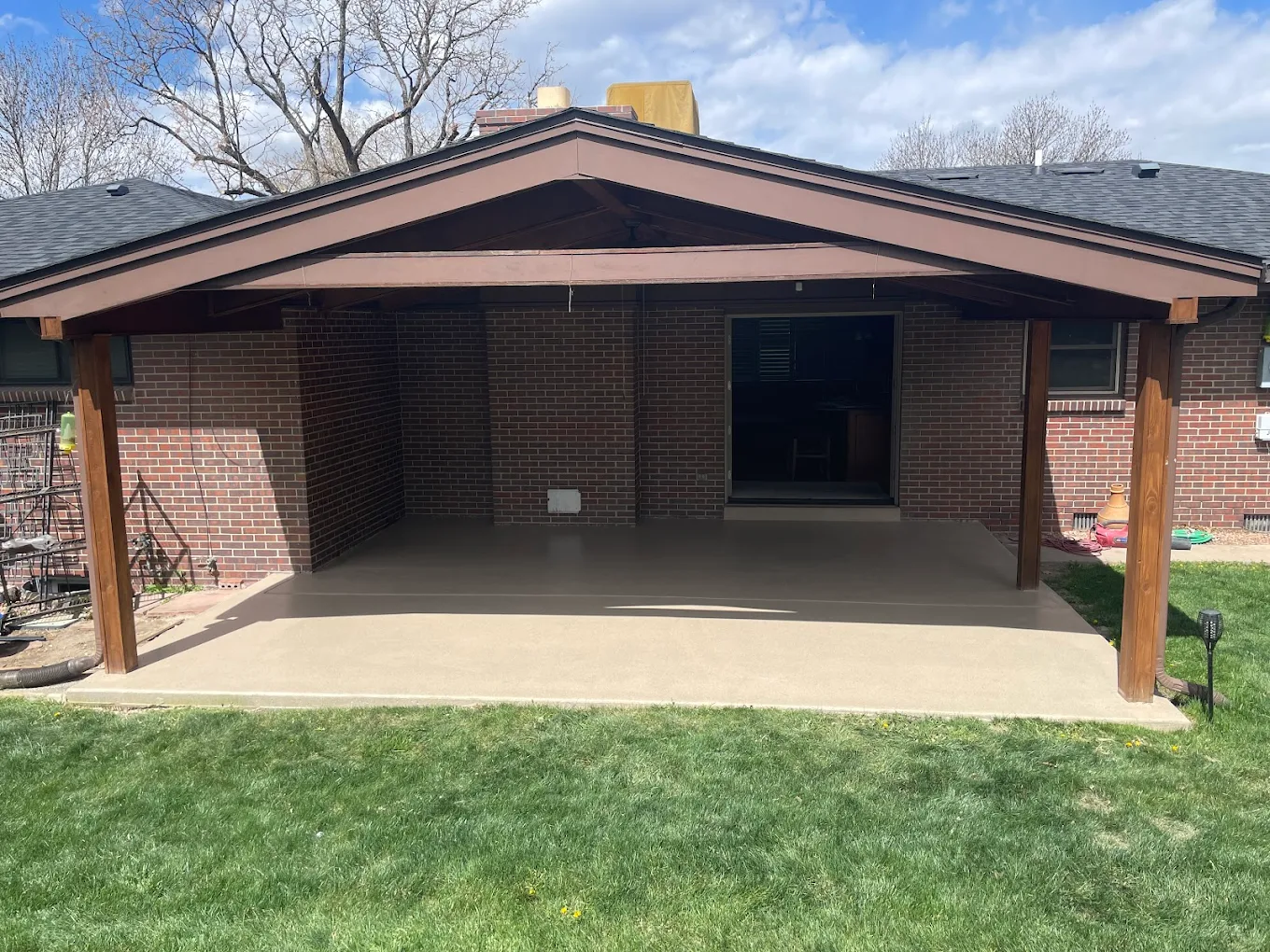
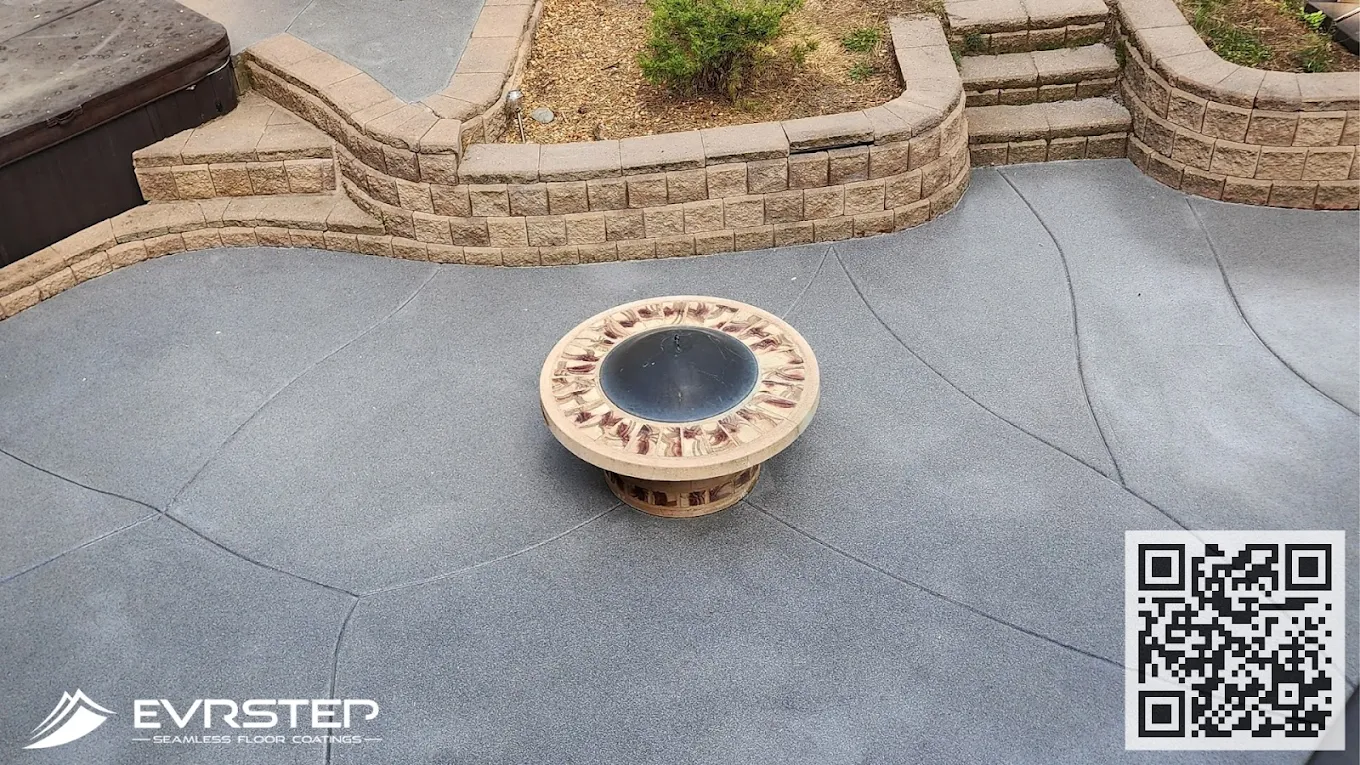
Epoxy floors are highly durable and easy to maintain, typically lasting 10 to 20 years in a residential setting. Their longevity relies heavily on preventing abrasive grit from building up and avoiding harsh chemicals that strip the finish.
For a quick visual guide on maintaining your epoxy flooring without causing damage:
Could you tell me what specific issues you are dealing with (e.g., tire marks, chemical spills, or general dullness)? I can provide a tailored cleaning or restoration plan.
- Sweep or Vacuum: Remove loose dirt and grit regularly with a soft‑bristle broom or a vacuum with a soft brush attachment. This prevents debris from scratching the surface when you mop.
- Gentle Mop: Mop the floor using a mix of warm water and a mild, pH‑neutral dish soap like Dawn.
- Ammonia Solution: For deeper cleaning or to restore shine, use a mixture of half a cup of clear ammonia per gallon of hot water.
- Rinse & Dry: After using soap or ammonia, rinse the floor with clean water and dry it with a towel or clean mop to prevent streaks.
- Harsh Chemicals: Never use vinegar, citrus‑based cleaners, or bleach, as these are acidic and can break down the epoxy resin and dull its gloss.
- Abrasive Tools: Avoid using steel wool or rough scrub pads.
- Steam Cleaners: The high heat and moisture from steam mops can cause the epoxy coating to delaminate from the concrete.
- Wipe Spills Immediately: Clean up chemicals, solvents, and motor oil quickly to prevent stains and long‑term chemical damage.
- Use Protective Mats: Place rugs or mats at entrances or heavily trafficked areas to capture abrasive road salts and grit.
- Watch Your Tires: Hot tires can sometimes cause tire lifting in poorly prepped epoxy floors. Avoid parking on the floor for at least seven days after it’s applied.
- Recoating: Periodic recoating every few years can revitalize the appearance and add an extra layer of protective topcoat.
Cleaning epoxy longevity hinges on gentle methods and avoiding harsh agents. Consistent, proper care can keep outdoor systems performing for a decade or more.
Ever wondered why your outdoor epoxy looks great after a year but begins to dull after a few months? The answer often lies not in the product itself but in how you clean it. In Parker’s high‑altitude climate, the right routine can be the difference between a floor that lasts ten years and one that needs early replacement.
This guide walks you through the most common cleaning missteps, the chemicals that silently erode your coating, and the habits that truly protect your investment. You’ll learn practical steps you can start today, plus a few insider tips that most guides overlook.
Why Most Epoxy Coatings Fail Early Despite Perfect Installation
Even when a contractor follows every step of the EpoxyMaster Standard & Maintenance Guide, many owners in Parker still see premature wear. The hidden culprit is often not the material but the cleaning habits that follow the install.
In practice, a single misstep, like using a harsh acidic cleaner, can start micro‑cracks that spread under UV exposure. Understanding why these habits matter helps you avoid the costly repairs that many homeowners assume are inevitable.
Common Pitfalls
- Acidic Cleaners: Even a mild vinegar solution can soften the topcoat, leading to chalking after a few months of sun exposure.
- Rough Scrubbing: Steel wool or stiff brushes create micro‑abrasions that become entry points for moisture and chemicals.
- Skipping Moisture Tests: Ignoring ASTM F2170 humidity checks before cleaning can trap vapor under the coating, causing delamination.
- High‑Temp Rinses: Hot water can accelerate solvent evaporation, leaving a brittle surface that cracks under freeze‑thaw stress.
- Neglecting Edge Sealing: Unsealed joints allow water ingress, especially during Parker’s spring melt, undermining the entire system.
The reality is that cleaning choices can erode a flawless installation faster than any structural flaw. By swapping out the wrong products for the right ones, you protect the chemistry that gives epoxy its strength, and you keep the floor looking fresh for years.
The Cleaning Product That Destroys UV Topcoats Without Warning
One surprising offender in many garage and patio maintenance routines is a common household bleach. While it promises a sparkling shine, the chlorine in bleach reacts with the UV‑stable aliphatic topcoat, breaking down its polymer chains and causing rapid yellowing.
In Parker’s bright sun, this reaction accelerates, turning a clear surface dull within weeks. The chemistry behind the damage is simple: bleach’s oxidizing power attacks the urethane bonds that protect the epoxy from UV rays.
Problematic Products
- Bleach Solutions: Even diluted bleach can strip the protective layer, exposing the epoxy to UV degradation.
- Ammonia‑Heavy Mixes: High concentrations of ammonia can cause surface pitting, especially on older coatings.
- Citrus‑Based Degreasers: The natural acids in citrus cleaners soften the resin, leading to loss of gloss and adhesion.
- Industrial Solvents: Strong solvents dissolve the topcoat’s polymer matrix, creating soft spots that wear quickly.
- Concrete Sealers with Acids: Some sealers contain acidic components that react with epoxy, causing chalking over time.
Switching to a pH‑neutral, low‑foam detergent and rinsing thoroughly eliminates the hidden chemistry that destroys UV protection. For Parker owners, this simple change preserves both appearance and durability under intense sunlight.
How Often You Clean Matters More Than What You Clean With
Frequency of cleaning plays a bigger role than the specific product used. In a semi‑arid climate like Parker’s, dust and fine sand settle quickly, acting like sandpaper on the epoxy surface if left unchecked.
A weekly light sweep followed by a monthly mop keeps abrasive particles from embedding in the coating, while a deep clean every six months removes accumulated salts that can cause corrosion under the topcoat.
Frequency Guidelines
- Weekly Sweep: Remove loose grit before it can grind into the surface, especially after windy days.
- Monthly Mop: Use a mild, pH‑neutral solution to lift fine dust and prevent film buildup.
- Seasonal Deep Clean: After winter, rinse away road salts and de‑icing chemicals that accelerate wear.
- Post‑Storm Rinse: Immediately after heavy rain, wipe down the floor to avoid water spotting and salt residue.
- Annual Inspection: Walk the surface and look for dull spots; a quick spot‑clean can prevent larger issues.
By establishing a consistent schedule, you avoid the cumulative damage that sporadic, heavy‑handed cleaning causes. The habit of regular, gentle care is the most reliable predictor of a ten‑year epoxy lifespan.
Pressure Washing Exterior Epoxy: The PSI Threshold That Changes Everything
Many homeowners assume a high‑pressure wash will simply blast away grime, but the reality is that pressure above a certain threshold can erode the epoxy film. In Parker’s outdoor settings, the combination of high PSI and cold temperatures can cause micro‑fractures that expand over time.
Research from the National Concrete Polishing guide shows that keeping pressure below 1500 psi preserves the coating while still removing stubborn dirt.
Pressure Guidelines
- Maximum PSI: Stay under 1500 psi to avoid stripping the topcoat; higher pressure can lift the resin from the concrete.
- Nozzle Choice: Use a wide‑angle nozzle (40‑degree) to distribute force evenly and reduce point stress.
- Temperature Consideration: Avoid pressure washing when ambient temperature is below 40 °F, as cold can make the coating brittle.
- Pre‑Wet Surface: Lightly wet the floor before applying pressure to reduce splashing and protect the seal.
- Post‑Wash Rinse: Follow with a gentle rinse and dry the surface to prevent water spots and salt crystallization.
When pressure washing is done within these limits, it removes grit without compromising the epoxy’s integrity. For Parker residents, respecting the PSI threshold safeguards the coating against the harsh freeze‑thaw cycles that follow winter.
What Happens to Epoxy Longevity When You Skip Seasonal Deep Cleans
Skipping the deep clean after winter leaves behind a layer of de‑icing salts that can infiltrate micro‑cracks. In Parker’s climate, these salts attract moisture, creating a chemical environment that accelerates coating breakdown.
A study in the Epoxy Maintenance and Cleaning FAQs found that homes that omitted the post‑winter rinse saw a 30 % faster loss of gloss and a higher incidence of surface bubbling.
Consequences
- Salt Residue: Chloride ions corrode the topcoat, leading to chalking and loss of gloss.
- Moisture Trapping: Unremoved water vapor can cause blistering during the next freeze‑thaw cycle.
- Reduced Slip Resistance: Salt crystals create a gritty surface that can become slippery when wet.
- Accelerated UV Damage: Salt‑laden films reflect UV light differently, hastening yellowing.
- Shortened Warranty: Many manufacturers cite lack of proper cleaning as a breach of warranty terms.
A simple rinse after the snow melts can prevent these issues and keep the epoxy’s protective layer intact. For Parker homeowners, this habit is a low‑effort way to extend the system’s life by years.
The Three‑Month Window Where Cleaning Habits Predict Ten‑Year Performance
The first three months after installation are critical. During this period, the epoxy cures and bonds to the concrete, and any abrasive cleaning can disrupt that bond. Parker’s temperature swings make this window especially sensitive.
Data from the Epoxy – Wikipedia page notes that early exposure to harsh chemicals can reduce the final hardness by up to 15 %, directly impacting long‑term durability.
Early‑Stage Tips
- Gentle Dust Removal: Use a soft brush or vacuum; avoid wet mopping for the first 48 hours.
- Temperature Monitoring: Keep ambient temperature between 55 °F and 85 °F during curing to ensure proper polymer formation.
- Avoid Solvents: Do not apply any cleaning chemicals until the coating has fully cured, typically 72 hours.
- Spot‑Test New Products: Before using any new cleaner, test on a hidden area to verify it won’t affect the cure.
- Document Maintenance: Keep a simple log of cleaning dates and products; this helps track patterns that affect performance.
By treating the first three months as a delicate phase, you set the foundation for a floor that can withstand a decade of traffic, UV exposure, and Parker’s seasonal challenges.
Why We Tell Clients to Ignore Generic Epoxy Maintenance Schedules
One‑size‑fits‑all maintenance charts rarely account for local climate, traffic intensity, or the specific chemistry of a coating. In Parker, the combination of high UV index and occasional snow‑salt exposure means a generic schedule can leave the floor vulnerable.
Our experience shows that tailoring the cleaning plan to real‑world usage yields better results than following a printed checklist. The key is to align cleaning frequency with observable conditions, not a fixed calendar.
Tailored Approach
- Assess Traffic Load: Heavy‑vehicle garages need more frequent cleaning than low‑traffic patios.
- Monitor UV Exposure: Sun‑facing areas benefit from quarterly topcoat inspections and possible UV‑stable recoat.
- Track Salt Exposure: After winter storms, schedule a deep clean to remove de‑icing residues.
- Adjust for Humidity: In damp periods, increase drying time after cleaning to prevent moisture trapping.
- Use Local Data: Reference Parker’s weather trends to anticipate when extra care is needed.
A customized plan respects the unique stresses of your environment and the specific epoxy formulation you chose. When you align cleaning with actual conditions, you protect the coating’s performance far beyond what a generic schedule can promise.
Securing Long‑Lasting Epoxy Outdoors
Maintaining outdoor epoxy in Parker is less about fancy products and more about disciplined, informed cleaning habits. By avoiding acids, limiting pressure, and scheduling seasonal deep cleans, you protect the coating from UV, salt, and freeze‑thaw stress.
Ready to put these practices into action? Start with a simple weekly sweep, follow the recommended deep‑clean timeline, and consider a professional recoating every few years. For personalized advice, reach out to a local expert who understands Parker’s climate and can help you keep your epoxy looking fresh for a decade or more.
Author
This article was written by the EvrStep Epoxy Coatings Editorial Team, experienced professionals serving Parker. Our team focuses on educating clients and providing valuable insights to help them make informed decisions.