In the bustling world of food service, maintaining hygiene and safety is not just a priority; it’s a necessity. One often-overlooked aspect of food service operations is the flooring, which can significantly impact overall cleanliness and safety.
Commercial epoxy flooring stands out as a solution designed specifically for these challenges. Its non-porous surface actively resists microbial growth, and when combined with antimicrobial additives, it achieves an impressive 99% reduction in pathogens.
The seamless installation method eliminates the joints and crevices where bacteria typically thrive, while slip-resistant aggregates help prevent workplace accidents. With the ability to withstand extreme temperatures and harsh chemicals, epoxy flooring not only meets USDA standards but also protects your investment by reducing long-term maintenance costs.
Understanding these vital benefits clarifies why epoxy flooring has become indispensable in modern food service environments.
Key Highlights
- Non-porous epoxy surfaces effectively prevent bacterial growth and eliminate joints where pathogens can hide, achieving an impressive 99% efficacy against harmful microorganisms.
- A seamless installation results in an uninterrupted surface, making it easier to maintain efficient cleaning protocols while preventing the accumulation of water and debris.
- Incorporating anti-slip additives such as quartz and aluminum oxide enhances safety in the workplace by providing reliable traction in wet conditions.
- The chemical-resistant properties of epoxy flooring guard against harsh cleaning agents and food acids, ensuring compliance with HACCP and USDA standards.
- Durable epoxy flooring can endure heavy foot traffic and rigorous cleaning routines for 15-20 years, all while maintaining its antimicrobial effectiveness.
The Science Behind Epoxy’s Antimicrobial Properties
Modern epoxy flooring systems are engineered to combat this pressing issue with impressive antimicrobial properties. Their non-porous structure and chemically inert composition create a surface that actively resists microbial growth, while the smooth finish limits the potential for bacteria to establish colonies. The flooring’s exceptional durability against moisture further enhances its hygiene effectiveness, making it a suitable choice for environments requiring stringent cleanliness. Additionally, the UV stability of these coatings ensures that their performance remains consistent even in high-traffic areas.
These antimicrobial mechanisms operate through various pathways. For instance, the integration of active agents like chlorhexidine digluconate and silver nanoparticles can achieve over 99% efficacy against common pathogens. Furthermore, surface modifications that employ quaternary ammonium compounds create positively charged surfaces, which disrupt bacterial cell membranes, enhancing the flooring’s antimicrobial effectiveness. This innovation is not merely theoretical; it results in tangible benefits for businesses seeking long-term hygiene solutions.
The flooring’s performance is further bolstered by its ability to maintain a surface-free energy below 22 mN/m, which effectively hinders bacterial adhesion through hydrophobic interactions. Additionally, the alkaline pH of cured epoxy serves as a natural deterrent against acid-producing pathogens, establishing a comprehensive barrier against microbial threats. Moreover, selecting high-quality epoxy coatings can further enhance the durability and maintenance of your flooring, ensuring long-lasting hygiene benefits.
Incorporating epoxy flooring into your business environment not only addresses cleanliness concerns but also fosters a safer atmosphere for employees and customers alike. As industries increasingly prioritize hygiene, investing in advanced flooring solutions with proven antimicrobial properties is a practical step towards enhancing public health and safeguarding your business’s reputation.
Creating Slip-Resistant Surfaces for Kitchen Safety
Modern epoxy flooring systems are designed to enhance workplace safety through innovative anti-slip additives like quartz and aluminum oxide. These materials ensure that even in wet conditions—common in kitchens—employees can maintain their footing. The slip resistance of your kitchen flooring is not a one-size-fits-all solution; it can be tailored through techniques such as broadcasting aggregates and applying non-slip sealers. These methods yield textured finishes that effectively balance safety with the practicalities of maintenance, addressing a common concern among business owners. Additionally, the coatings form a solid protective layer against physical and chemical damage, ensuring a safe and durable kitchen environment. The seamless installation process of epoxy coatings also contributes to long-lasting performance, making it ideal for high-demand food service settings.
Beyond just aesthetics, the seamless installation of epoxy flooring eliminates potential tripping hazards and guarantees consistent traction throughout the kitchen. This feature is not just a luxury; it’s a necessity for maintaining a safe working environment. Moreover, professional epoxy flooring systems are engineered to meet OSHA standards for slip resistance, ensuring that your kitchen remains compliant with safety regulations. They are remarkably resilient, maintaining their protective qualities despite exposure to oils, grease, and the rigors of frequent cleaning. This durability is crucial, as the surfaces retain their slip-resistant properties even under the weight of heavy foot traffic and thermal stress, safeguarding your staff from accidents in high-demand food service settings.
Investing in slip-resistant flooring is not merely about compliance; it’s about creating a safer, more efficient workspace that can significantly reduce the risk of costly injuries and improve overall operational productivity.
Temperature and Chemical Resistance in Food Prep Areas
In the fast-paced world of commercial kitchens, the right flooring can be the difference between a smooth operation and a costly disaster. With the potential for extreme temperatures and exposure to harsh chemicals, it’s essential to choose a flooring solution that stands up to these challenges. Did you know that modern epoxy flooring can endure temperatures up to 1,500°F without compromising its structural integrity? This feature is crucial for areas near fryers, ovens, and grills, where heat can wreak havoc on lesser materials.
Moreover, the chemical resistance of epoxy systems is noteworthy. With non-porous surfaces that repel corrosive food acids, industrial sanitizers, and harsh cleaning agents, these floors are designed to contain spills effectively while complying with rigorous HACCP and USDA standards. In fact, the addition of antimicrobial components can reduce bacterial survival rates by 99.7%, providing peace of mind in maintaining a hygienic environment.
One of the most significant advantages of epoxy flooring is its ability to manage thermal shock. In a kitchen, temperature variations can exceed 150°F between cooking zones and cold storage areas. Epoxy systems are engineered with a minimal thermal expansion coefficient, preventing issues like delamination and joint failures, which are common pitfalls in demanding food service settings. Additionally, for those interested in premium floor coatings, contacting experts can help ensure the best solution for your specific needs.
As you navigate the complexities of outfitting your kitchen, consider the long-term performance and safety that these advanced flooring solutions offer. The right choice will not only enhance your operational efficiency but also contribute to maintaining a clean and compliant workspace.
Seamless Installation: Eliminating Bacterial Growth Points
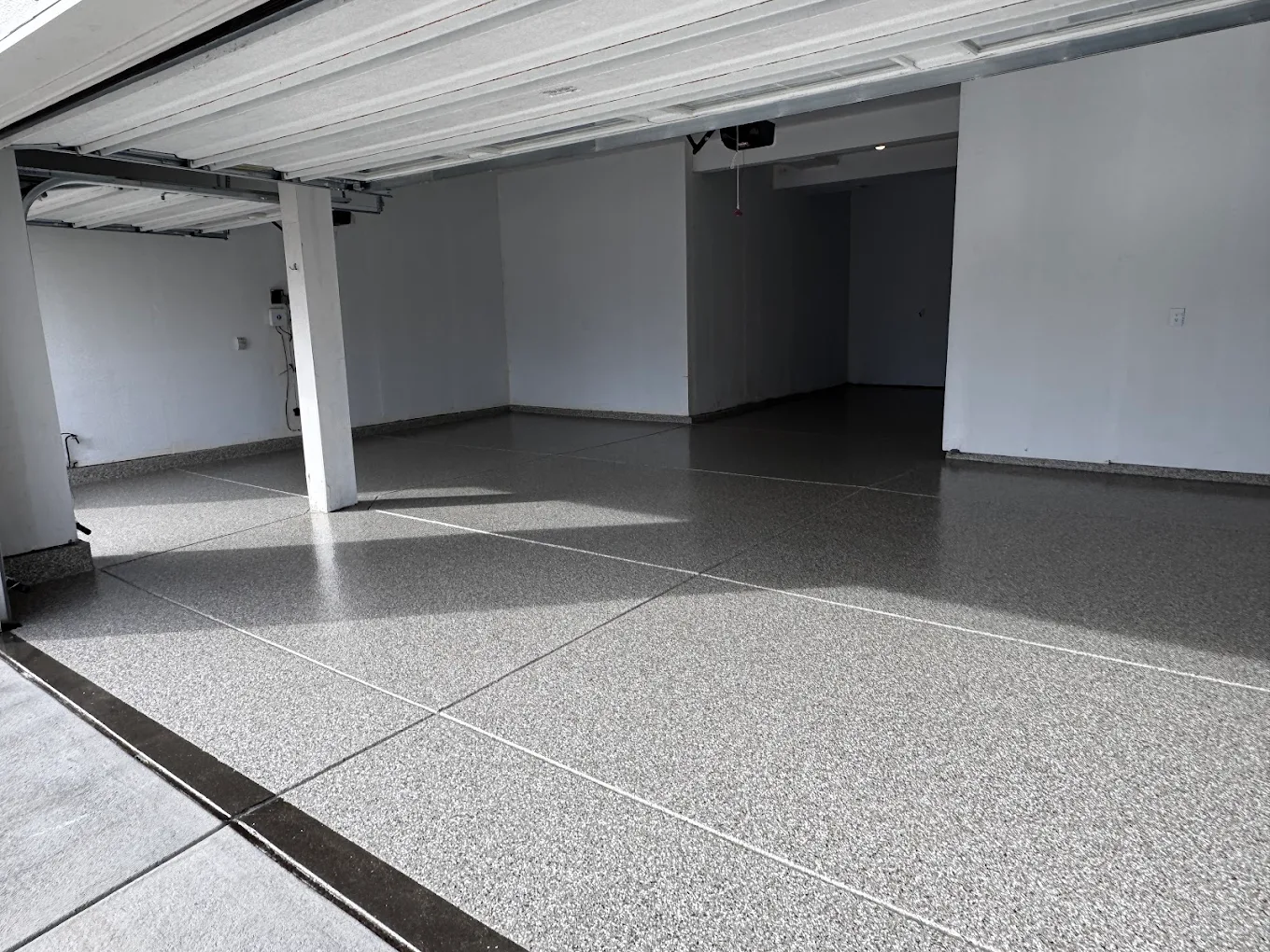
Unlike traditional flooring, which often features joints and seams that act as breeding grounds for bacteria, epoxy flooring provides a smooth, uninterrupted surface that significantly mitigates the risk of microbial growth. This innovation is not merely cosmetic; it is a critical component of maintaining a hygienic food service environment.
The fluid-applied system adheres directly to the substrate, creating a zero-permeability barrier that prevents liquids from seeping into subsurface layers. This is essential in food service settings, where spills are inevitable. By eliminating crevices where organic debris can accumulate, epoxy flooring meets rigorous hygiene standards. Moreover, the inclusion of EPA/FDA-approved antimicrobial additives throughout the layers ensures that even minor surface damage won’t compromise your protection against pathogens.
Consider a busy kitchen during peak hours: with the smooth, non-porous finish of epoxy flooring, you can efficiently sanitize the surface with industrial disinfectants, ensuring every inch is clean and safe. Additionally, the design supports effective drainage in wet processing areas, further enhancing cleanliness and operational efficiency.
In a sector where the cost of a single outbreak can be staggering—potentially reaching hundreds of thousands of dollars in fines and lost business—investing in seamless epoxy flooring is not just a smart decision; it’s a necessary step to safeguard your establishment and maintain the trust of your clientele. If you’re serious about upholding the highest standards of cleanliness, explore the transformative benefits of seamless epoxy flooring for your food service facility.
Long-Term Performance and Regulatory Compliance
In environments where cleanliness and regulatory standards are paramount, the performance of your flooring directly impacts operational efficiency and safety. These epoxy systems not only withstand the rigors of high-traffic areas but also comply with critical industry regulations, including USDA approval and NSF/ANSI 2 certification, ensuring that they meet the stringent hygiene standards required in food service settings.
Consider this: floors that achieve a surface hardness of 85 Shore D or higher are designed to resist damage from sharp objects and heavy equipment, protecting your investment. Moreover, with antimicrobial properties enhanced by silver-ion technology, these surfaces meet ISO 22196 standards, effectively minimizing the risk of bacterial growth.
Imagine the peace of mind that comes from knowing your flooring can endure aggressive cleaning protocols, thanks to its resistance to pH levels from 1 to 14. This resilience not only helps maintain a safe environment but also simplifies cleaning processes, allowing your staff to focus on the core aspects of food service.
To ensure ongoing compliance and performance, implementing an annual testing regime for adhesion and color stability is vital. This proactive approach guarantees that your flooring continues to meet regulatory requirements, ultimately safeguarding your business and enhancing operational longevity.
In Summary
Commercial epoxy flooring is a critical component in food service environments, acting as a protective barrier that prioritizes hygiene and safety. With proper installation, epoxy surfaces can significantly curb bacterial growth, achieving reductions of up to 99.9%.
Additionally, these flooring solutions are designed to minimize the risk of slip-and-fall accidents, thus enhancing overall safety. This unique combination of antimicrobial properties and safety features positions epoxy flooring as an indispensable investment for any establishment focused on maintaining high hygiene and safety standards.
EvrStep Seamless Coatings stands out as the premier provider of epoxy coatings for both commercial and residential spaces in the Denver Metro area and its surroundings. Their expertise ensures that businesses receive top-notch installation, resulting in durable surfaces that effectively combat bacteria and reduce slip hazards.
With a commitment to quality and safety, EvrStep can seamlessly integrate these flooring solutions into your food service operation. Investing in their services not only enhances your facility’s hygiene but also promotes a safer environment for staff and customers alike, making it a wise choice for any food service provider interested in maintaining cleanliness and safety. For more information, visit EvrStep Seamless Coatings to explore their offerings in enhancing hygiene in food service environments.