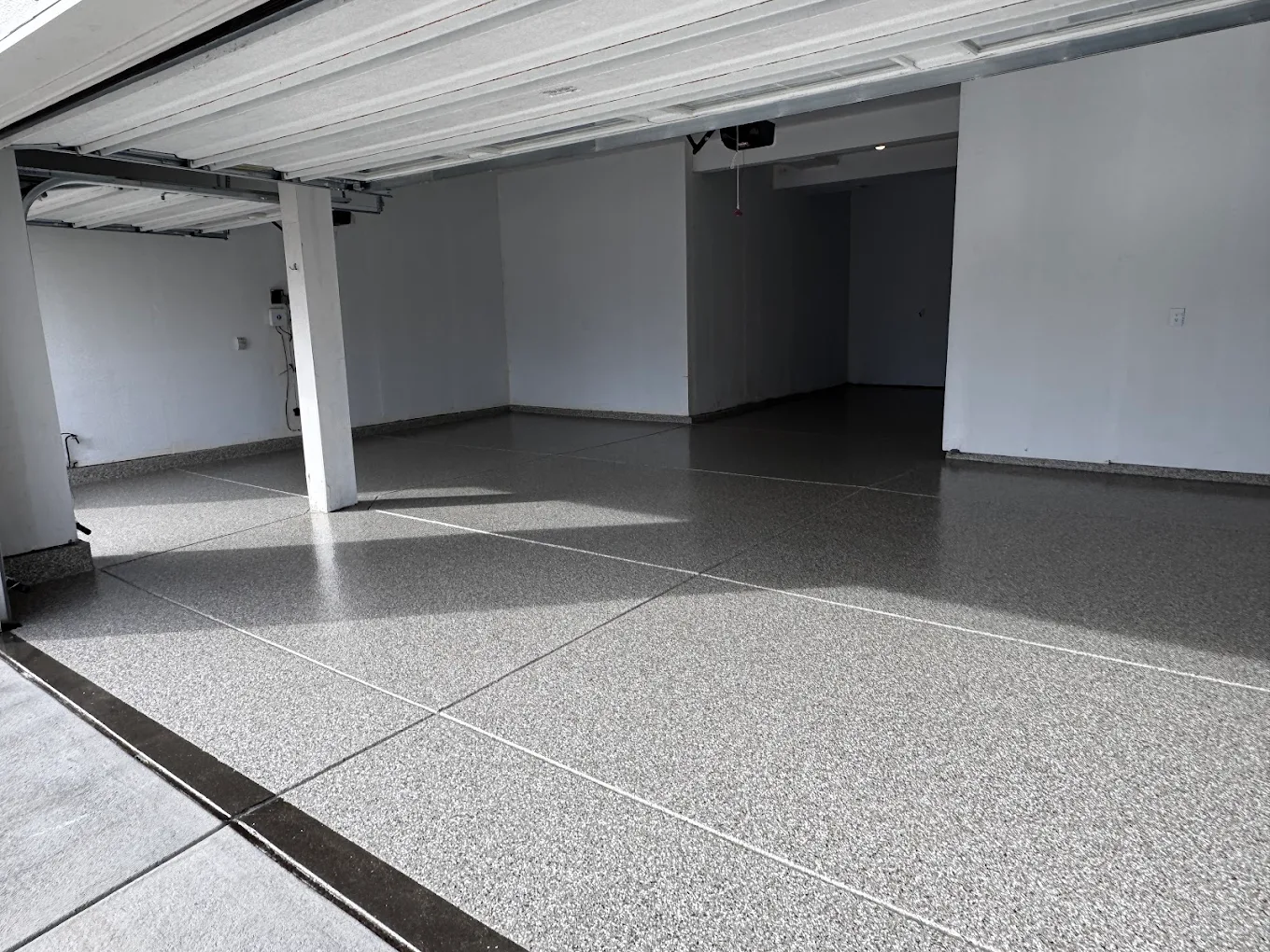
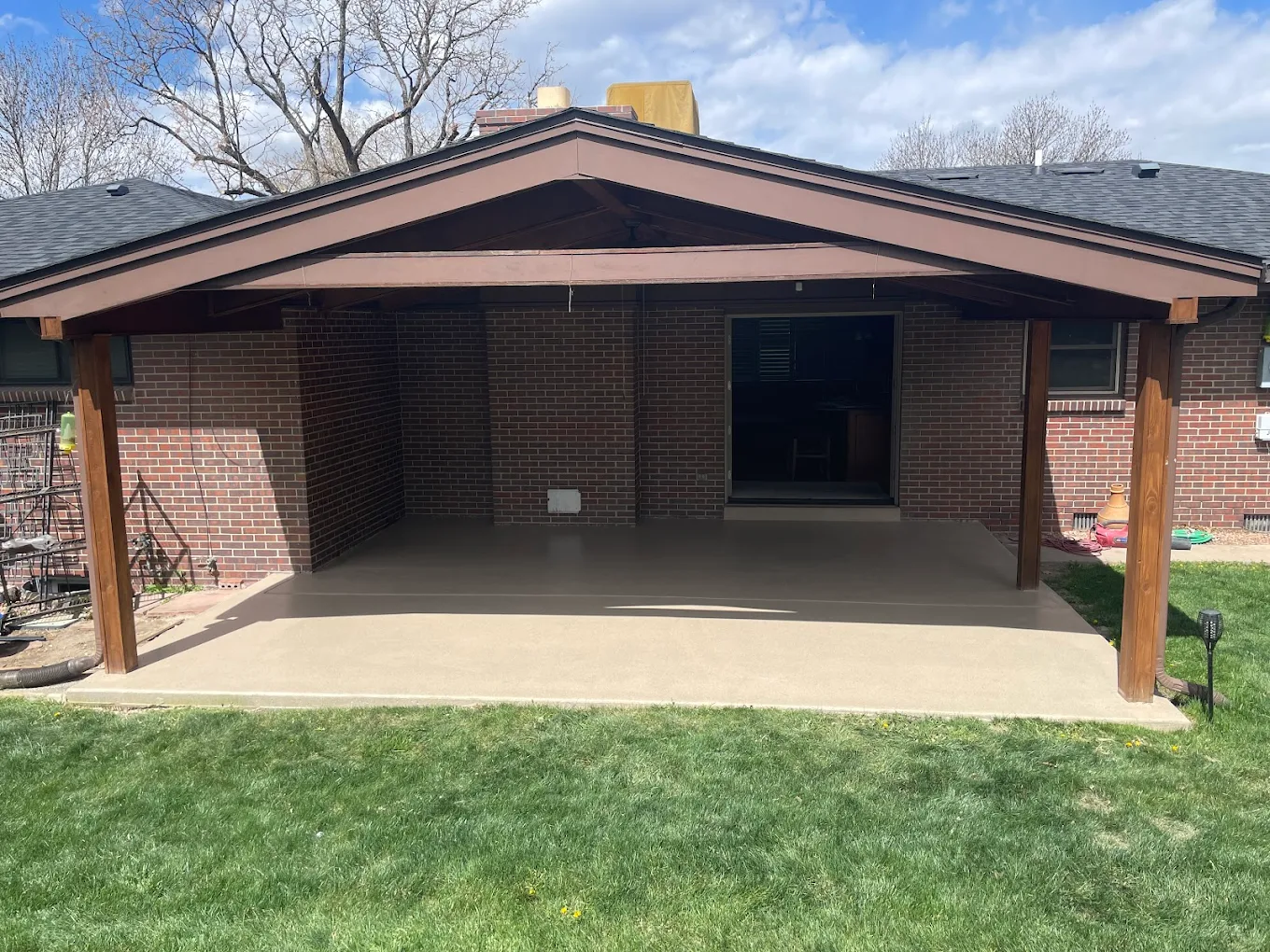
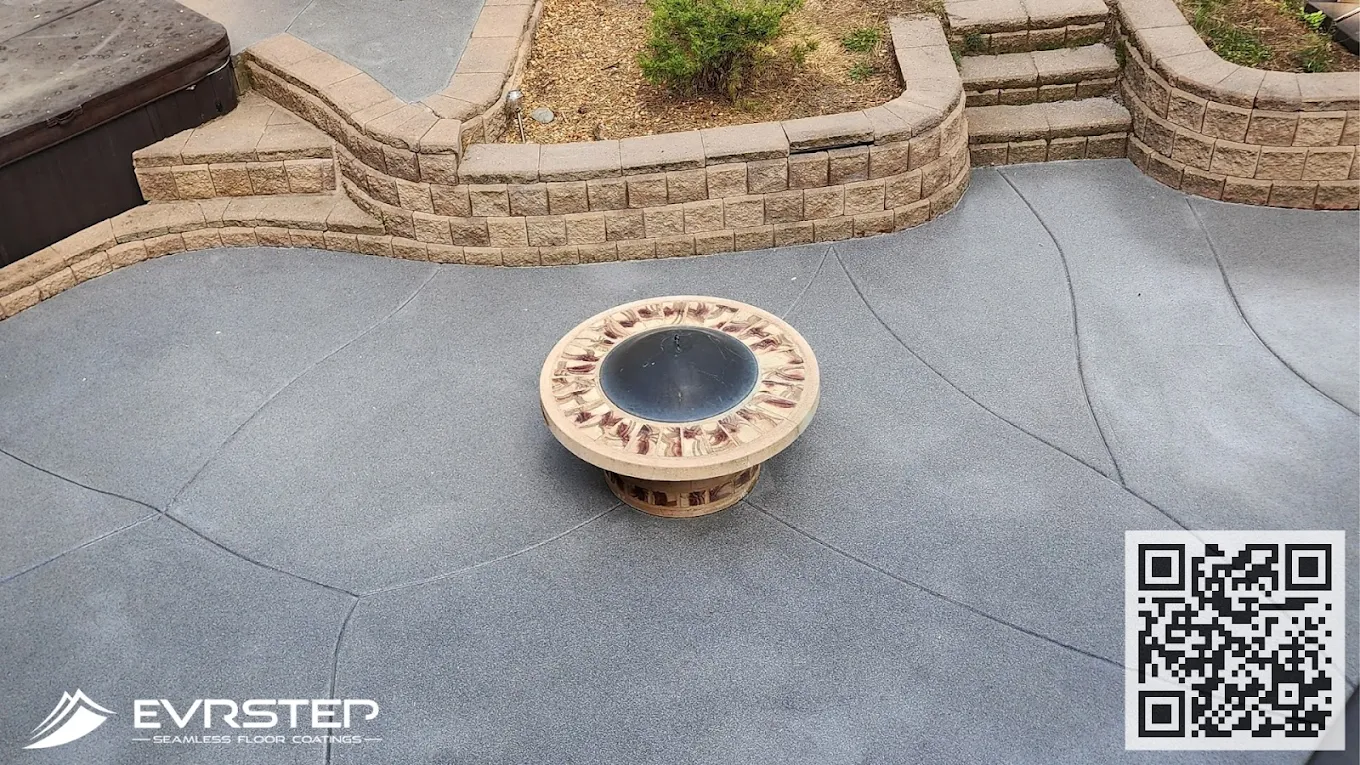
Homeowners in Parker, Colorado, can expect professional exterior epoxy and polyaspartic concrete coating systems to run between $7 and $15 per square foot fully installed. Standard residential outdoor applications, patios, porches, and walkways, typically fall into the $7 to $10 per square foot range when outfitted with multi-layer, UV-stable systems designed to withstand Colorado’s intense high-altitude sun.
Regional feedback from automotive and home improvement communities, including Colorado Cars & Coffee on Facebook, suggests general rates hover around $5 to $8+ per square foot depending on project scope, though exterior weather-resistant and UV-stable formulations trend slightly higher. For tailored estimates, homeowners can explore local contractor listings on platforms like Angi Parker Epoxy Flooring or reach out to regional specialists such as Evrstep Epoxy.
- Cost Factors: Surface preparation, including diamond grinding, moisture testing, and heavy crack repair, drives the core labor expense, while system type (basic single-color versus decorative flake, quartz, or non-slip broadcast aggregate) and topcoat chemistry (UV-stable aliphatic polyaspartic topcoats versus standard epoxies that yellow quickly under Colorado’s high-altitude solar exposure) significantly influence the final investment.
- Project Size: The approximate square footage of the area directly impacts material quantities, labor hours, and overall project pricing.
- Concrete Condition: The current state of the concrete, whether cracked, painted, or bare, determines the extent of surface preparation and repair work required before coating application.
- Intended Use: The specific application, such as patio, pool deck, or walkway, influences coating system selection, slip-resistance requirements, and durability specifications.
Exterior epoxy system cost varies with prep, UV protection, and climate. Parker homeowners should budget $7‑$15 per square foot for a durable, weather‑resistant finish.
If you’re planning a new patio or repairing a cracked walkway, the price tag can feel confusing. The numbers you see online often ignore the hidden work that protects the coating from Colorado’s harsh freeze‑thaw cycles and intense sun.
In this guide we break down the real drivers behind exterior epoxy system cost, show how to compare quotes, and give you the questions to ask local installers so you avoid surprise expenses later.
Why Exterior Epoxy Costs Triple What You’d Pay for Interior Floors
In Parker, a high-performance outdoor coating system can cost significantly more than a standard garage floor application. The difference isn’t just the material; it’s the extra steps needed to survive sunshine, snow, and road salt.
Interior floors stay sheltered, so they don’t require UV‑stable topcoats or extensive moisture barriers. Outdoor slabs, however, face daily temperature swings that can push a simple coating to fail within months if not properly engineered.
Key Cost Drivers
- UV‑Resistant Topcoat: Adding an aliphatic polyaspartic layer protects against yellowing and chalking, which alone can add $2‑$4 per square foot.
- Moisture Management: Testing, sealing, and sometimes installing a vapor barrier prevent delamination, especially during spring thaws.
- Surface Profiling: Diamond grinding to a CSP of 2‑4 ensures adhesion, and the labor for that preparation can represent up to 40 % of the total bill.
Understanding these hidden layers helps you see why a $10‑per‑square‑foot quote for a backyard patio isn’t inflated; it reflects the science that keeps the surface intact through Colorado’s extreme weather. Skipping any of these steps often leads to costly repairs down the road.
The UV Stability Factor That Separates $4 and $12 Per Square Foot Systems
In Parker, the sun’s intensity at 5,800 feet elevation can degrade a standard epoxy in months. A system that includes a UV‑stable polyaspartic topcoat may cost three times more, but it retains color and gloss for years.
Most homeowners underestimate the long‑term savings of a UV‑protected finish, focusing only on upfront price. The reality is that a cheap system often requires a full recoating after a single winter.
UV‑Stability Benefits
- Color Retention: Aliphatic polyaspartic topcoats resist yellowing, keeping a patio looking fresh for at least five years.
- Chalking Prevention: UV absorbers reduce surface powder, which otherwise creates slip hazards and extra cleaning.
- Extended Warranty: Manufacturers often back UV‑stable systems with longer warranties, reflecting confidence in durability.
- Lower Maintenance: Fewer touch‑ups mean less labor cost over the life of the coating.
- Energy Savings: Light‑colored, UV‑stable finishes reflect more sunlight, slightly reducing heat buildup on adjacent structures.
Choosing a UV‑stable system may raise the initial exterior, but the payoff appears in lower maintenance, fewer repairs, and a surface that continues to protect your concrete against the Colorado sun.
What a $3,500 Exterior Epoxy Quote Actually Includes (and What Gets Added Later)
In Parker, a $3,500 quote often sounds like a good deal for a 300‑square‑foot patio, yet many homeowners discover extra line items after work begins. The base price typically covers the essential layers, but optional upgrades can quickly inflate the total.
Knowing what’s bundled and what’s an add‑on lets you compare quotes apples‑to‑apples and avoid surprise fees when the contractor starts testing moisture or applying a premium topcoat.
Included Elements
- Surface Prep: Diamond grinding, crack filling, and a concrete moisture test are standard in the base price.
- Epoxy Base Coat: A 100 % solids epoxy layer provides structural adhesion and chemical resistance.
- Standard Topcoat: A basic clear coat protects against mild UV exposure but may not meet high‑altitude demands.
- Labor & Cleanup: Installation crew, equipment, and post‑job site cleanup are covered.
If the quote does not list moisture mitigation, a high‑performance topcoat, or anti‑slip aggregate, those will appear as separate charges. Request a detailed breakdown before signing to keep the project within budget.
How Temperature Swings During Application Add Hidden Labor Costs
In Parker, daytime highs can reach the mid‑60s while night lows dip below freezing in early spring. When epoxy is applied during these swings, crews must pause to let the coating cure properly, extending labor time and sometimes requiring heated enclosures.
These temperature‑related delays are rarely reflected in the initial estimate, yet they can add a significant amount to the final bill.
Temperature Impacts
- Cure Time Extension: Cold evenings slow the chemical reaction, forcing crews to return the next day, which adds labor hours.
- Heated Tents: Renting portable heaters to keep the surface above 50 °F incurs equipment rental fees.
- Moisture Condensation: Rapid temperature changes cause surface moisture, requiring additional drying time before coating.
- Material Waste: Over‑application to compensate for cold curing can lead to excess material that must be removed later.
- Safety Protocols: Workers need extra PPE for cold conditions, increasing preparation time.
Planning the installation for a stable temperature window, typically late spring or early fall, reduces these hidden costs and ensures a smoother, more reliable finish.
The Substrate Prep Work That Accounts for 40% of Your Total Investment
In Parker, the concrete slab’s condition is the single biggest factor in price. A poorly prepared surface will crack, blister, or peel, forcing costly repairs that could have been avoided with proper prep.
Professional contractors spend a large portion of the budget on grinding, cleaning, and repairing the substrate before any epoxy touches the slab.
Prep Essentials
- Diamond Grinding: Achieves a CSP of 2‑4, creating a texture that the epoxy can lock onto securely.
- Crack Repair: Epoxy‑filled or polyurethane‑filled cracks prevent moisture migration and future spalling.
- Moisture Testing: ASTM F2170 relative humidity testing or electronic moisture meters confirm the slab is dry enough for coating.
- Cleaning: Vacuuming and solvent wiping remove dust, oil, and debris that would compromise adhesion.
- Slope Verification: Ensuring proper drainage avoids water pooling that can accelerate freeze‑thaw damage.
When the prep is done right, the coating performs as intended, and the investment in labor pays off through a longer‑lasting, maintenance‑free surface.
Why Choosing the Cheapest Exterior Epoxy System Costs More by Year Three
In Parker, a low‑cost epoxy may look attractive, but without UV protection and a moisture barrier it often fails after two winters. The hidden expense shows up as a full replacement or a costly repair in the third year.
A higher‑priced system that includes a polyaspartic topcoat and thorough substrate prep typically lasts 15 to 20 years, delivering a better return on investment.
Long‑Term Cost Factors
- UV Degradation: Cheap coatings yellow and lose gloss, requiring a fresh topcoat after 12‑18 months.
- Moisture Blistering: Inadequate vapor barriers allow water to push up, causing bubbles that must be sanded and recoated.
- Freeze‑Thaw Cracking: Thin, inflexible layers crack under temperature stress, leading to patchwork repairs.
- Reduced Slip Resistance: Early wear of anti‑slip aggregate demands re‑application for safety compliance.
- Warranty Gaps: Low‑price systems often lack comprehensive warranties, leaving you responsible for all future fixes.
Investing in a robust, weather‑ready system upfront saves both money and hassle, keeping your patio safe and attractive for years to come.
Square Footage Alone Won’t Predict Your Price: The Variables Contractors Actually Quote By
In Parker, two projects of identical size can have wildly different price tags because contractors factor in more than just square footage. Variables such as slope, existing surface condition, and desired finish all influence the final quote.
Understanding these variables helps you ask the right questions and compare estimates on a level playing field.
Quote Variables
- Surface Condition: Cracked, painted, or sealed concrete requires more preparation than a fresh slab.
- Design Complexity: Flake, quartz, or custom colors add material and labor costs beyond a plain solid coat.
- Slope & Drainage: Adjusting the slab for proper runoff may involve additional concrete work or re‑leveling.
- UV‑Stable Topcoat: Selecting a polyaspartic or aliphatic topcoat raises material cost but extends service life.
- Access & Logistics: Limited access, stairs, or tight corners increase labor time and equipment needs.
When you evaluate a quote, break down each line item and compare it against your project’s specific needs. This approach ensures you’re paying for the work that truly matters, not just the square footage.
Budget‑Smart Exterior Epoxy Planning
Now you know that exterior epoxy system cost in Parker hinges on preparation, UV protection, and climate considerations. By focusing on the right prep work and choosing a UV‑stable topcoat, you avoid hidden expenses that surface later.
If you’re ready to move forward, start by measuring your area, assessing concrete condition, and requesting a detailed, itemized quote from a qualified installer such as EvrStep Epoxy Coatings. A clear, transparent estimate will keep your project on budget and your patio looking great for years.
Author
This article was written by the EvrStep Epoxy Coatings Editorial Team, experienced professionals serving Parker. Our team focuses on educating clients and providing valuable insights to help them make informed decisions.