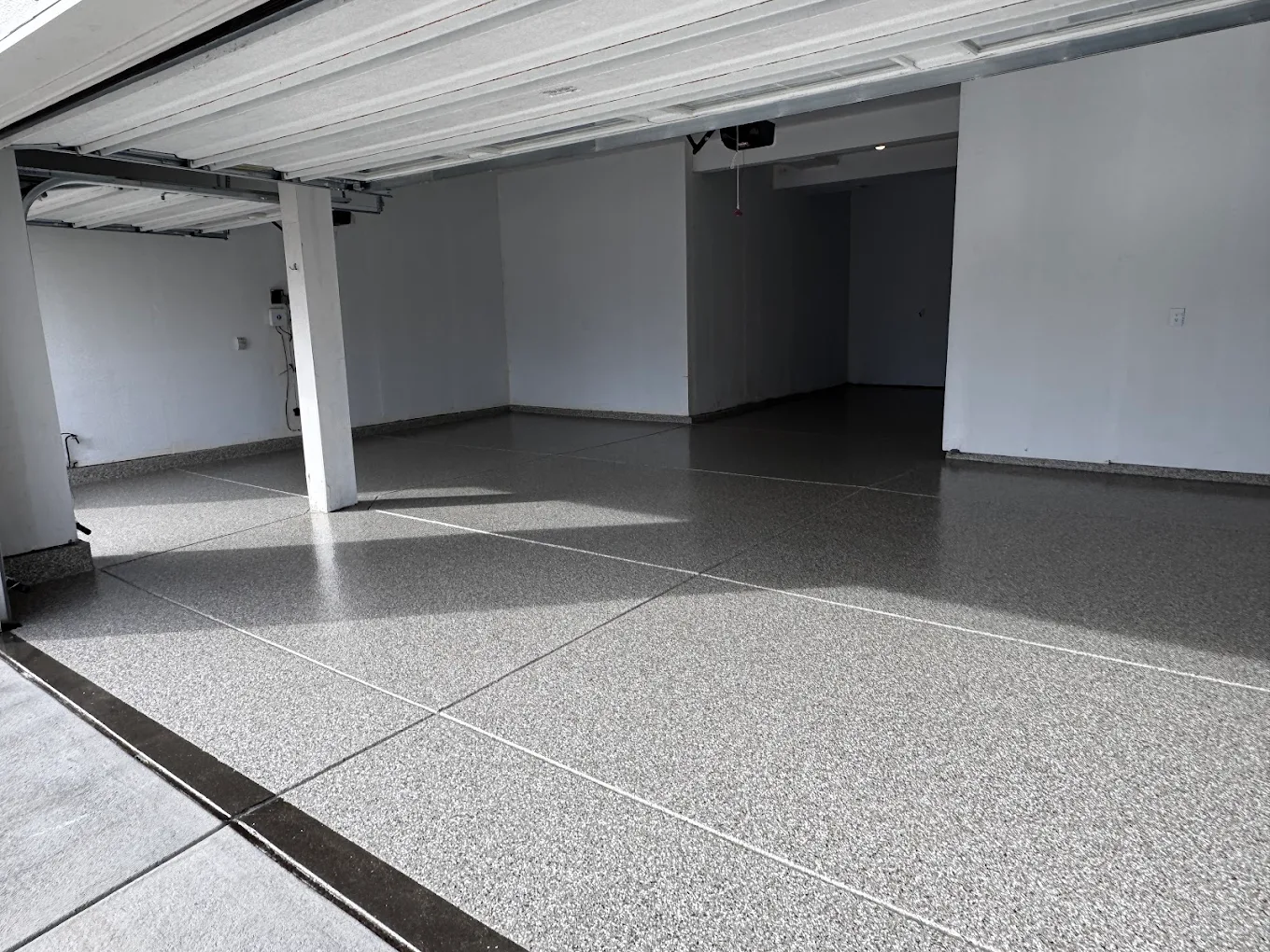
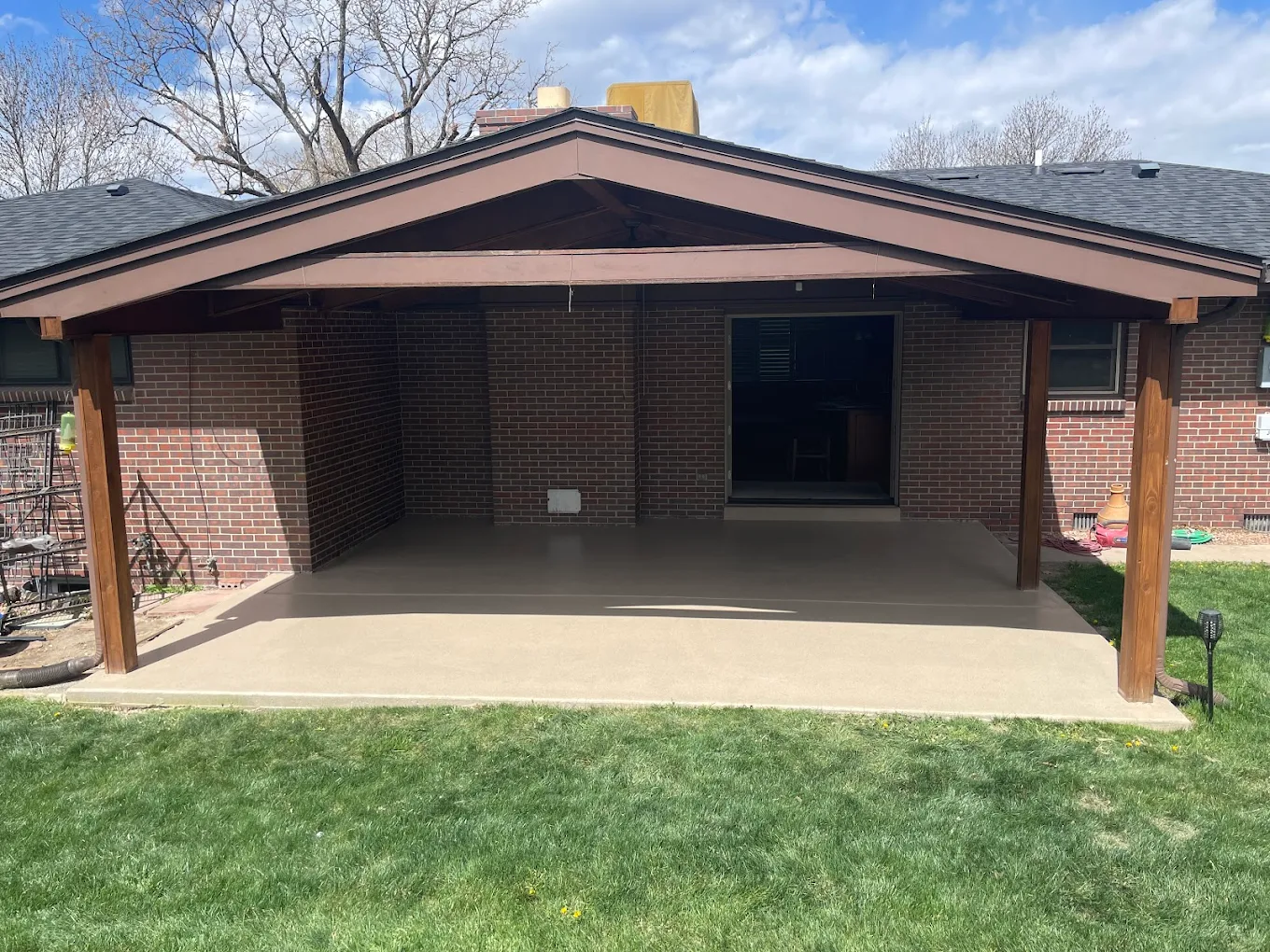
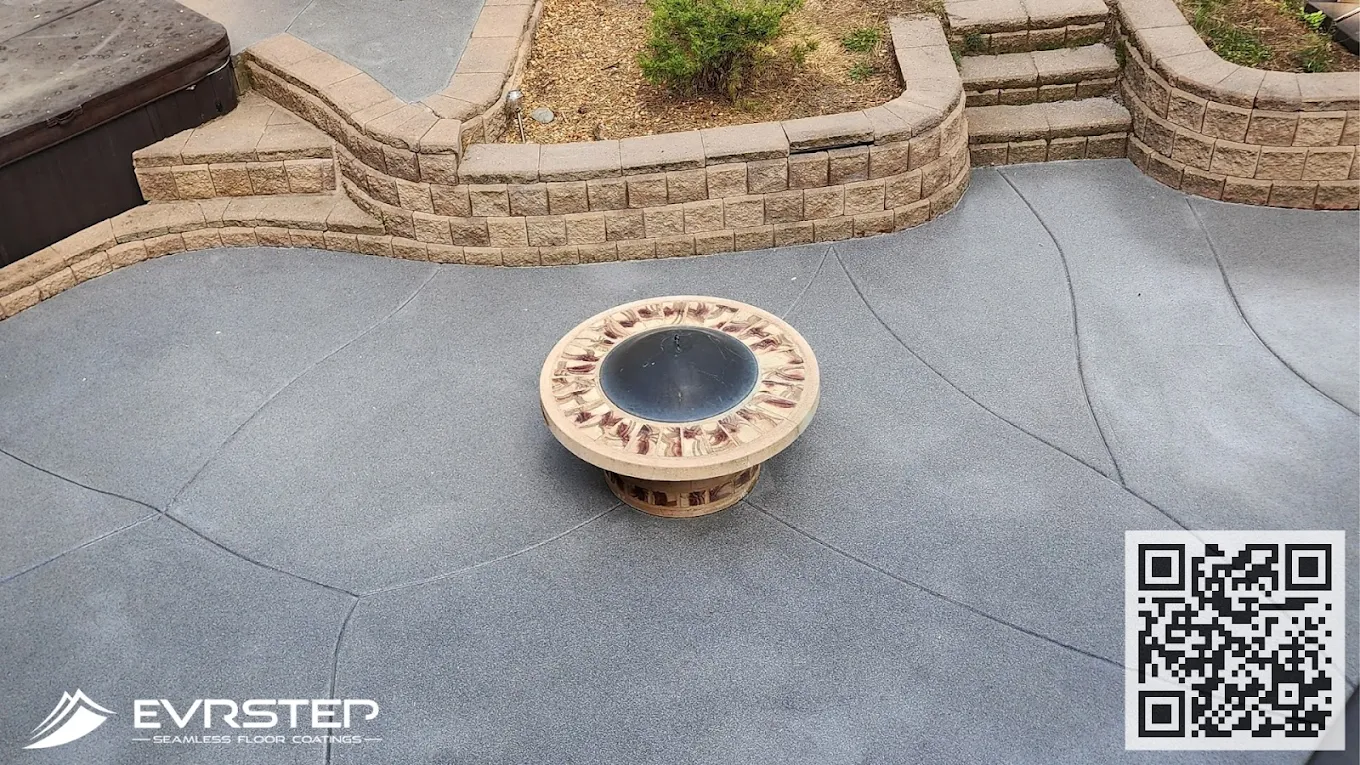
Commercial epoxy flooring is increasingly sought after for its impressive durability and stylish appearance. However, figuring out its cost can be quite complicated. Several factors influence the final price, from the obvious ones like the size of the floor and the quality of materials used to the less apparent aspects such as local market conditions and seasonal demand. For businesses and property managers, grasping these variables is crucial for making well-informed decisions about flooring investments. While the upfront cost might appear daunting, a careful examination of these elements shows that epoxy flooring can deliver substantial long-term value.
In this blog, we’ll dive into the key factors that shape the prices of commercial epoxy flooring, helping you understand what to expect and how to make the best choice for your space. Whether you’re upgrading an existing floor or starting from scratch, this guide will provide valuable insights to help you navigate your options confidently.
Floor Size and Material Quality
When considering the costs of commercial epoxy flooring, two main factors significantly impact the overall price: floor size and material quality. The size of the floor is crucial in determining the cost per square foot for installation. For larger areas—typically over 5,000 square feet—you can expect to benefit from economies of scale, with prices ranging from $2.50 to $6 per square foot. Conversely, smaller spaces, between 1,500 and 5,000 square feet, tend to have higher costs, typically from $3 to $7 per square foot. This price variation stems from the efficiency gained when applying epoxy over larger areas.
Material quality also plays a significant role in determining epoxy flooring prices. Although high-quality epoxy materials may come with a higher initial cost, they often deliver enhanced durability and longevity, which can justify the investment. The type of epoxy chosen—whether basic or custom blends—will also affect pricing. Basic epoxy options generally range from $3 to $12 per square foot, depending on the complexity of the design and application.
Additionally, the condition of the existing floor can impact overall costs. If the surface is damaged or uneven, you may need to invest in extra preparation work, which can raise expenses. The thickness of the epoxy coating is another factor that affects both price and performance. Thicker coatings provide superior durability but require more materials and labor for application, leading to higher costs.
When exploring commercial epoxy flooring options, it’s important to consider these factors carefully. This approach will help you make an informed decision that balances cost with long-term performance and quality.
Design Complexity and Application
When it comes to commercial epoxy flooring, several factors influence pricing beyond just floor size and material quality. The complexity of design and application methods plays a significant role. Intricate patterns, textures, and customizations can substantially raise costs, as these features require more labor and higher-quality materials. For instance, if clients choose unique designs like metallic or colorful coatings, expenses can increase dramatically because of the specialized techniques and superior materials needed for the application.
Decorative elements such as paint chips, dyes, or stains can enhance the visual appeal of epoxy flooring, but they also add to the overall cost. Sourcing these additional materials and applying them with precision contribute to higher labor expenses. Projects that utilize advanced techniques to mimic textures like stone or wood often require skilled professionals, further elevating installation costs.
The number of coats applied is another factor that affects pricing. While multiple layers can enhance both durability and appearance, they also increase material and labor expenses during installation. As design complexity grows, so does the time needed for proper application, which can significantly impact the final cost.
When considering commercial epoxy flooring, it’s crucial to balance aesthetic desires with budget constraints. Intricate designs can create stunning visual effects, but they often come at a premium. Clients should carefully evaluate the benefits of complex designs against the additional expenses to ensure they achieve their desired outcome within their financial limits.
Surface Preparation Requirements
Surface preparation is crucial when it comes to installing epoxy flooring, as the condition of the existing concrete substrate significantly affects pricing. Preparing a floor for epoxy involves several steps, including thorough cleaning, repairs, and sometimes leveling. These processes are essential to ensure optimal adhesion and the longevity of the finished floor. Properly prepared surfaces not only enhance the performance of the epoxy but also ensure it can handle high-traffic conditions effectively.
The requirements for surface preparation can influence installation costs. If the floor is damaged, extra labor and materials may be required. Addressing issues like cracks, holes, or uneven surfaces is essential before applying the epoxy, which can increase both time and expenses. Cleaning methods, such as grinding or shot blasting, are necessary to remove contaminants that could weaken the epoxy’s bond with the concrete. While these steps are critical, they do extend the project timeline and budget.
The extent of preparation needed has a direct impact on labor costs. More intensive cleaning and repair work demands additional man-hours and specialized equipment. However, investing in thorough surface preparation ultimately pays off by improving the quality of the final product and enhancing its long-term value. A well-prepared surface reduces the risk of premature failure and lowers future maintenance costs, making it a smart choice for commercial property owners.
When planning for epoxy flooring in a commercial space, it’s important to consider the condition of the existing concrete surface. While comprehensive preparation may raise initial costs, it’s essential for achieving a durable, high-quality finish that stands the test of time and provides a solid return on investment.
Labor and Installation Expenses
At the core of commercial epoxy flooring costs are labor and installation expenses, which can vary significantly. Typically, these costs range from $2 to $12 per square foot, influenced by several important factors. The complexity of the project and local market rates are key determinants, alongside the specific requirements of the installation process. The exceptional durability and seamless application of epoxy flooring ensure that this investment pays off over time, especially in high-traffic areas.
Hiring experienced contractors is crucial for a successful epoxy flooring installation. Their expertise helps avoid costly mistakes that can occur from improper application techniques, ultimately saving you money in the long run. The condition of the existing concrete floor also plays a vital role in labor costs. If the floor is damaged, additional preparation work—such as repairs or thorough cleaning—may be necessary, which can increase overall installation expenses.
The number of coats needed for the epoxy flooring system will also affect both labor and material costs. Each additional coat not only raises material expenses but also requires more time and effort for proper application. However, when dealing with larger areas, you might benefit from economies of scale, potentially lowering the overall price per square foot for both labor and materials. This is due to the efficiencies gained in larger projects, where contractors can work more systematically and make better use of their resources.
Location and Long-Term Considerations
Location significantly influences the overall cost of commercial epoxy flooring. The average price per square foot can vary greatly depending on geographic location, as local market conditions affect pricing based on demand and the availability of materials and contractors. In areas where living costs are higher, installation expenses may increase, with estimates ranging from $3 to $12 per square foot, depending on the region. Additionally, areas with local experts may provide customized solutions that can impact pricing based on material selection and design options.
When evaluating the cost of epoxy flooring, it’s essential to consider the long-term benefits that can justify the initial investment. The expected lifespan of commercial epoxy flooring can extend beyond 10 years, making it a cost-effective choice for businesses over time. Its durability and low maintenance requirements lead to significant long-term savings, which can help offset higher upfront costs.
Seasonal demand fluctuations can also affect pricing. Installation costs may rise during peak seasons when contractors are busier. Therefore, business owners might want to time their epoxy flooring projects strategically to secure more favorable rates during off-peak periods.
While the initial expense of commercial epoxy flooring may seem considerable, it’s valuable to view the investment from a long-term perspective. The extended lifespan, minimal maintenance needs, and durability of epoxy flooring often lead to lower overall costs compared to other flooring options that require frequent repairs or replacements. By taking into account location-specific factors and long-term benefits, businesses can make well-informed decisions about their flooring investments.
Understand the Key Factors That Influence Commercial Epoxy Flooring Prices
Commercial epoxy flooring prices are determined by several key factors, including floor size, material quality, design complexity, surface preparation needs, labor costs, and geographic location. Larger spaces may find cost advantages due to economies of scale, but opting for high-quality materials and intricate designs can significantly increase overall expenses. Proper surface preparation is essential for ensuring the longevity of the flooring, although it does contribute to the total costs. Businesses should carefully evaluate immediate expenses against potential long-term benefits while considering local market conditions and seasonal variations.
EvrStep Seamless Coatings specializes in providing top-tier epoxy flooring solutions for both commercial and residential properties in the Denver Metro area. They understand the importance of balancing quality with cost-effectiveness, ensuring that clients receive optimal value for their investments. With a focus on meticulous surface preparation and high-quality materials, EvrStep guarantees durable flooring that meets varying design needs. For those looking to enhance their spaces, EvrStep Seamless Coatings is the trusted choice for exceptional epoxy flooring services tailored to specific requirements, including seamless epoxy flooring solutions.