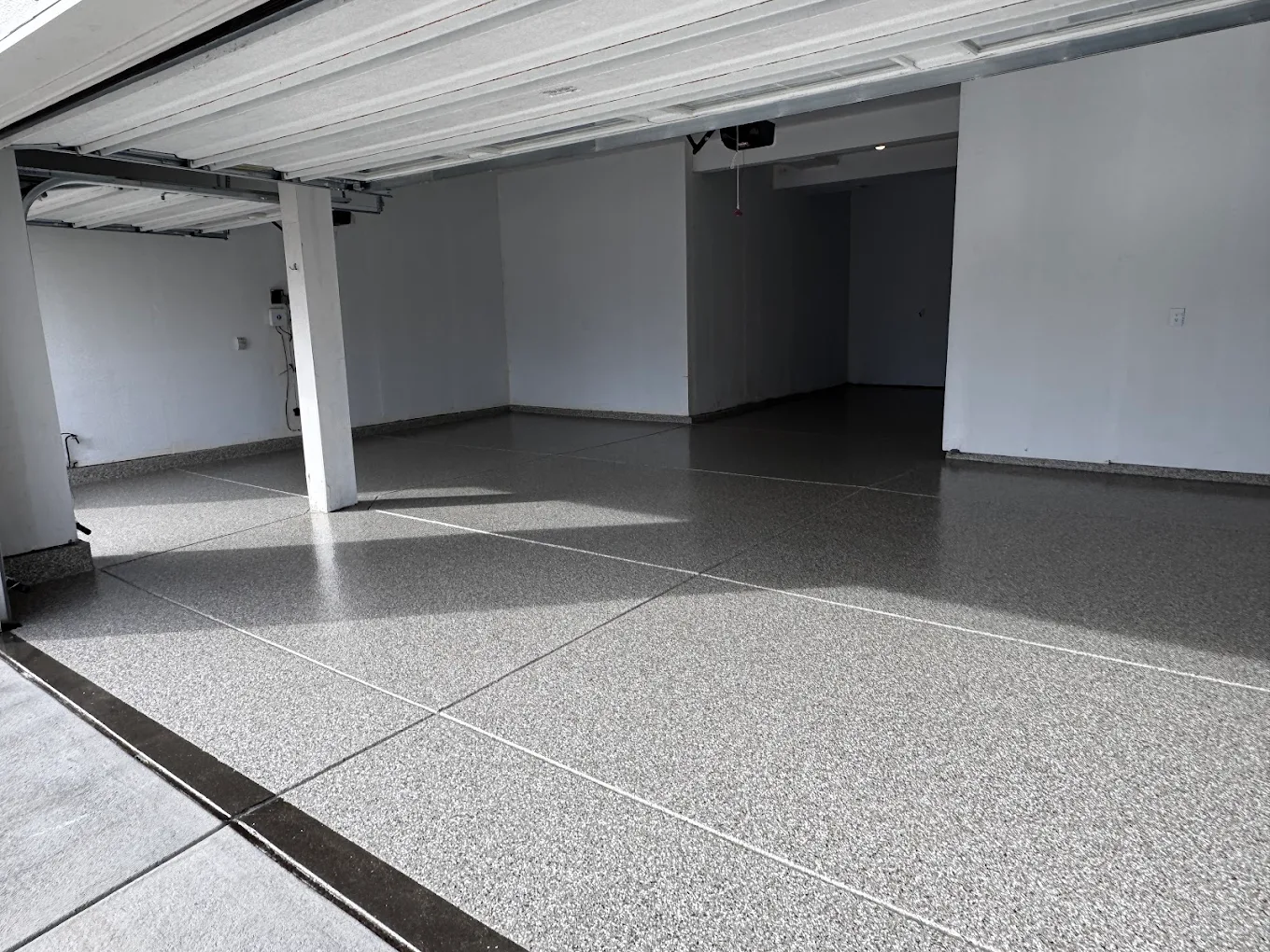
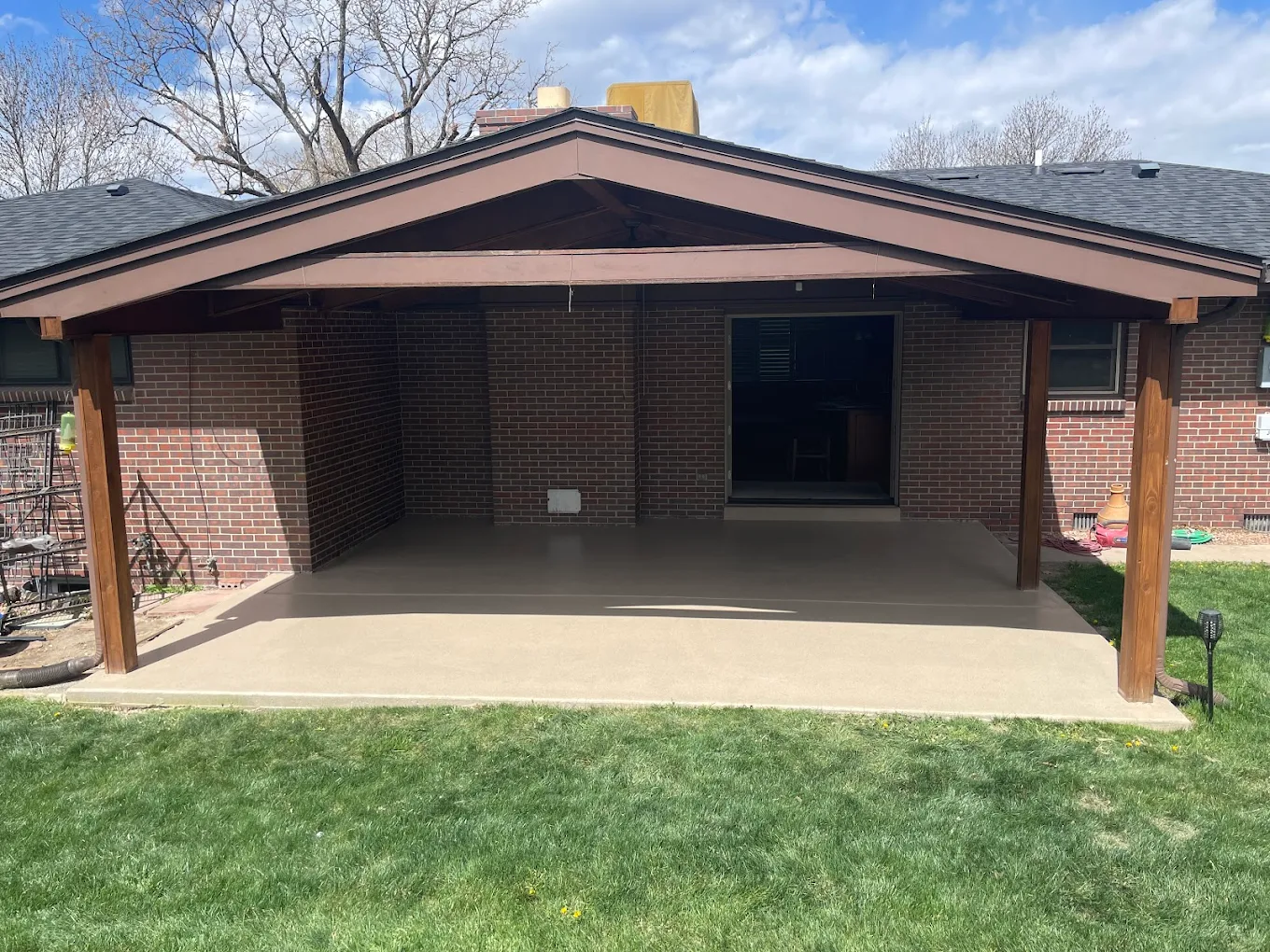
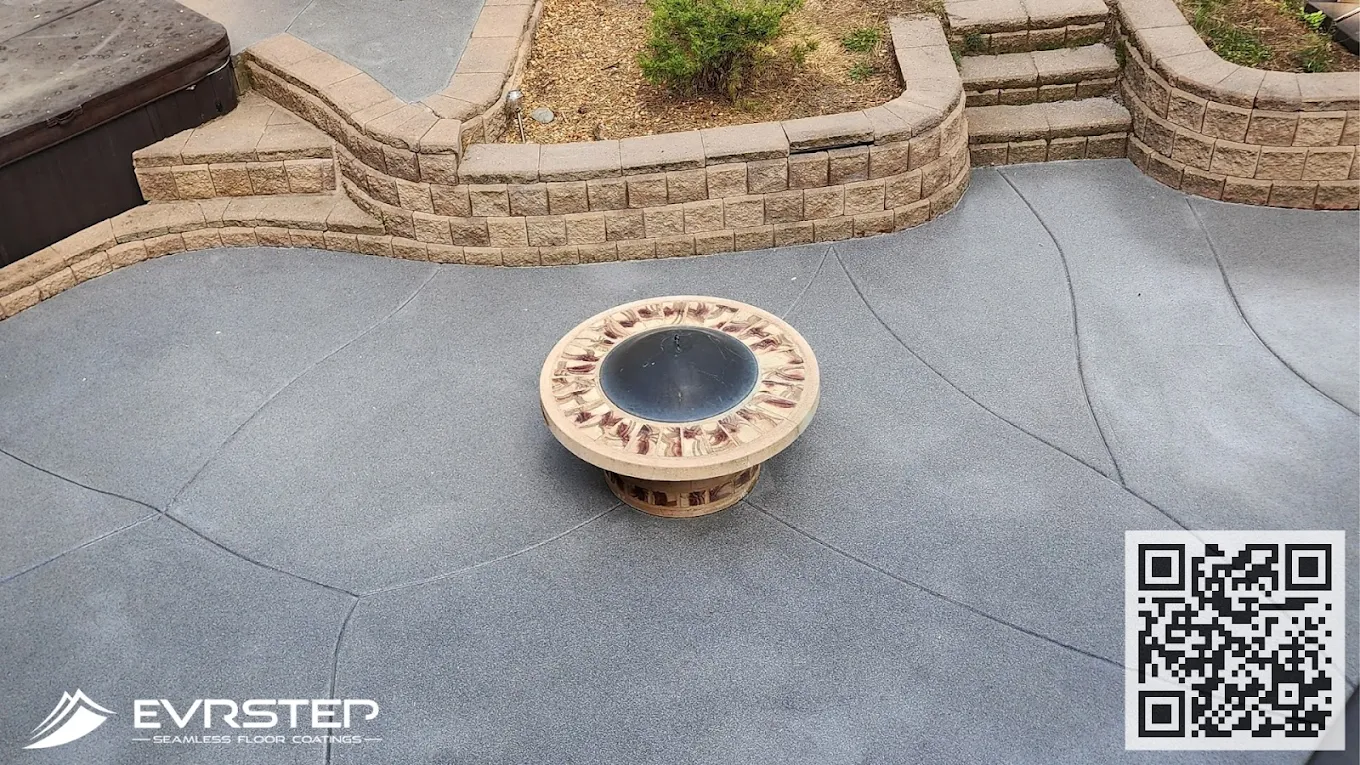
When it comes to optimizing your garage workspace, the flooring choice can significantly impact both functionality and longevity. Did you know that the right floor coating can enhance your space’s lifespan while also increasing its aesthetic appeal?
Polyaspartic coatings, for example, are known for their outstanding durability and resistance to UV damage, making them a strong contender for those looking to invest in a lasting solution. On the other hand, epoxy coatings, while more budget-friendly, require specific installation conditions that could lead to more frequent maintenance and potential challenges in extreme temperatures.
Imagine transforming your garage into a sleek, efficient workspace that withstands the test of time. Polyaspartic coatings can be installed in temperatures as low as 30°F and often last over 20 years, providing a long-term solution that adapts to varying climates.
In contrast, epoxy requires warmer conditions for installation and may not offer the same longevity or resistance to wear and tear. This decision is crucial, as it can affect your productivity and the overall maintenance of your workspace, prompting further investigation into the best fit for your needs.
Key Highlights
- Polyaspartic coatings cure quickly, typically within 4-6 hours, and can be applied in temperatures as low as 30°F, which means you can install them any time of year with minimal disruption to your workspace.
- When installed by professionals, polyaspartic coatings can reach a thickness of 15-30 mils and have a lifespan of over 20 years. In contrast, DIY epoxy options usually only achieve about 5 mils in thickness and last around 2-3 years.
- Epoxy requires a minimum temperature of 55°F for proper adhesion and, while it may be cheaper upfront, it generally needs to be reapplied every 5-10 years.
- Polyaspartic coatings offer excellent UV stability, preventing yellowing over time, along with superior chemical resistance, making them particularly suitable for busy workshop environments.
- While epoxy might seem more budget-friendly at first glance, polyaspartic’s durability and low maintenance needs often make it the smarter choice for long-term workspace optimization.
The Evolution of Garage Floor Protection: From Basic Sealers to Advanced Coatings
In the early twentieth century, basic concrete sealers were the norm, but these rudimentary solutions offered little in the way of protection against spills and mechanical wear. As automotive ownership surged between the 1920s and 1940s, the demand for more practical garage spaces increased, yet untreated gray concrete remained the standard for most residential installations.
The landscape began to change in the 1930s with the advent of epoxy resins. Initially formulated for industrial use, these resins provided superior chemical resistance and adhesion compared to traditional sealers. By the 1960s, their application extended into residential garages, although early epoxy formulations required meticulous pH balancing and strict temperature control during installation—a challenge for many homeowners. Today, epoxy flooring is known for its durability and longevity, making it an excellent choice for garage spaces. Additionally, EvrStep’s premium coatings offer strong adhesive properties that provide a seamless, crack-resistant finish.
The evolution of garage floor protection took a significant leap forward in the 1990s with the introduction of polyaspartic coatings. These advanced coatings combined the durability of epoxy with faster curing times and improved heat resistance, offering homeowners a more resilient option for their garage floors.
Today, as you consider your own garage floor needs, it’s crucial to weigh the benefits of modern coatings against the limitations of older products. For instance, polyaspartic coatings can be applied in a wider range of temperatures and cure much faster than traditional epoxies, making them a versatile choice for busy homeowners. Additionally, EvrStep’s commitment to quality ensures that you receive floor coatings that not only look great but also stand the test of time.
Investing in quality garage floor protection not only enhances the aesthetic appeal of your space but also safeguards against costly damage down the line. As you explore your options, remember that choosing the right coating can save you time and money while providing peace of mind in your garage space.
Temperature Performance and Year-Round Installation Benefits
Temperature fluctuations can create significant challenges for garage floor coatings, raising an important question for business owners: How can you ensure a reliable installation regardless of the season? With proper understanding of coating performance across varying climates, you can make informed decisions that enhance durability and longevity.
Polyaspartic coatings stand out due to their remarkable temperature resilience. They perform effectively in temperatures as low as 30°F, whereas epoxy systems typically require a minimum of 55°F for proper bonding. This distinction is vital for businesses in regions that experience dramatic seasonal changes.
For instance, if you’re located in an area with harsh winters or scorching summers, choosing the right coating can mean the difference between a successful installation and costly repairs. Additionally, exterior epoxy coatings provide excellent resistance to moisture and chemicals, which is crucial for maintaining floor integrity in fluctuating temperatures. Moreover, the exceptional durability of epoxy flooring against moisture and chemicals ensures long-lasting performance even in challenging environments.
One of the key advantages of polyaspartic coatings is their seasonal flexibility, which allows for year-round installations. This capability comes with several benefits:
- Structural Integrity: Polyaspartic coatings maintain their integrity in extreme cold and heat, providing peace of mind during fluctuating weather conditions.
- Winter Installations: Unlike traditional epoxy systems, which are limited to spring and fall, polyaspartic coatings allow installations even in winter without sacrificing quality.
- Rapid Curing: With curing times of just 4-6 hours, polyaspartic coatings can be applied even in challenging weather, minimizing downtime and disruption to business operations.
- UV Resistance: These coatings resist UV degradation, making them an excellent choice for spaces exposed to sunlight, ensuring aesthetics and functionality last longer. Additionally, their superior adhesion through cross-link bonding enhances durability, making them ideal for high-traffic areas.
As a business owner, it’s essential to consider how these factors might impact your operations. For example, if you run a manufacturing facility or a retail space, maintaining a safe and visually appealing environment is crucial, especially during peak seasons. By opting for a polyaspartic coating, you can ensure that your floors remain durable and attractive throughout the year.
Long-Term Value Analysis: Initial Costs vs. Maintenance Requirements
When it comes to selecting the right flooring coating for your business, the financial implications are crucial. Have you ever considered how the initial cost of a flooring solution might be misleading when evaluating its long-term value? A recent analysis indicates that while epoxy coatings may seem appealing with their lower upfront costs, they can lead to significantly higher expenses over time due to frequent maintenance and shorter lifespans.
Epoxy typically requires reapplication every 5-10 years, along with ongoing maintenance to mitigate issues like UV damage and hot-tire pickup. This can add up quickly, turning what appeared to be a budget-friendly option into a financial burden. In contrast, polyaspartic coatings, although more expensive initially, offer remarkable longevity—often exceeding 20 years with just basic cleaning. This long lifespan eliminates the need for regular resealing, protective mats, and specialized cleaning products, all of which contribute to ongoing costs.
Consider the impact on your operational budget: polyaspartic coatings resist chemicals, abrasion, and UV damage, significantly reducing potential repair expenses. This durability not only enhances the value of your investment but also offers peace of mind for businesses focused on long-term facility management. By prioritizing a solution that minimizes maintenance and maximizes durability, you position your business for sustained success. Additionally, contacting EvrStep Today can provide you with a free estimate to help you make an informed decision on your flooring options.
Ultimately, the choice between polyaspartic and epoxy coatings goes beyond the initial price tag; it’s about understanding the complete financial landscape of your flooring solution.
Professional Application vs. DIY: Making the Right Choice for Your Space
The choice between professional installation and DIY application is more than just a matter of preference; it can significantly impact the longevity and performance of your investment. Professional installations can extend the lifespan of your floor coating to over 20 years, while typical DIY projects often last only 2 to 3 years. This stark contrast raises an important question: which option truly offers the best value for your property?
Professional applications utilize industrial-grade equipment and materials, ensuring a coating thickness of 15 to 30 mils, a far cry from the typical 5 mils achieved in DIY projects. This difference in quality directly correlates with the durability of the coating and its ability to withstand wear and tear over time. Moreover, a professional team can complete the installation in just 5 to 8 hours, saving you valuable time compared to a DIY job that could stretch over several days.
While the upfront cost of a professional installation can exceed $4,000, compared to under $1,000 for a DIY approach, this initial investment is often outweighed by the long-term benefits. A professionally installed coating not only lasts significantly longer but also comes with warranties that provide peace of mind against potential application errors or safety concerns that can arise in DIY projects.
In the end, your choice should reflect both the immediate and long-term needs of your space. If you seek high-quality results and durability, opting for professional installation may be the most prudent decision. However, if your budget is a primary concern and you’re prepared for the challenges that come with DIY, you may choose to tackle the project yourself. Whatever you decide, understanding the implications of each option will help you make an informed decision that aligns with your goals for your property.
Creating Safe and Efficient Workspaces Through Surface Technology
Surface technology has emerged as a game-changer in crafting safer and more efficient garage environments. Modern coating systems, particularly polyaspartic and epoxy solutions, offer significant functionality and aesthetic benefits. Epoxy coatings can provide a budget-friendly option with anti-slip properties, but polyaspartic coatings take it a step further, boasting exceptional resistance to chemical spills, impacts, and temperature changes.
Polyaspartic coatings cure up to four times faster than traditional epoxy, significantly reducing downtime and operational disruptions. This means your garage can return to full productivity in a fraction of the time, a crucial factor for busy operations. Furthermore, the enhanced durability of polyaspartic coatings translates to fewer maintenance requirements, allowing you to focus on core business activities rather than constant upkeep.
Both coating solutions effectively prevent concrete degradation and eliminate tripping hazards, creating smooth, safe surfaces for your team. Polyaspartic’s UV stability ensures that it retains its appearance over time, resisting yellowing or discoloration, even in high-traffic areas.
Investing in advanced surface coatings not only helps maintain safety standards but also maximizes productivity by minimizing maintenance downtime and enhancing operational reliability. As you weigh your options for garage workspace improvements, consider how surface technology can address common pain points and drive efficiency in your operations.
In Summary
Polyaspartic floor coatings offer an impressive lifespan of up to 15 years, significantly surpassing the 5-7 years typical for traditional epoxy options. Although the initial investment for polyaspartic solutions is generally 20-30% higher, their advantages in durability and rapid installation can justify the cost.
Furthermore, these coatings can be applied year-round, making them an increasingly appealing choice for optimizing garage workspaces. As advancements in surface technology continue, it becomes essential for property owners to consider long-term value alongside the upfront investment when choosing flooring solutions.
EvrStep Seamless Coatings specializes in providing high-quality epoxy coatings for both residential and commercial spaces in the Denver Metro area. Their expertise ensures that clients receive optimal flooring solutions tailored to their specific needs, including the benefits of polyaspartic coatings.
With a focus on durability and ease of maintenance, EvrStep can help transform garage spaces into functional and visually appealing work areas. For reliable and expertly applied coatings that enhance your property, consider exploring the advantages of durable garage flooring solutions with EvrStep Seamless Coatings. Discover more about optimizing your garage space with epoxy floor coatings Denver Metro.