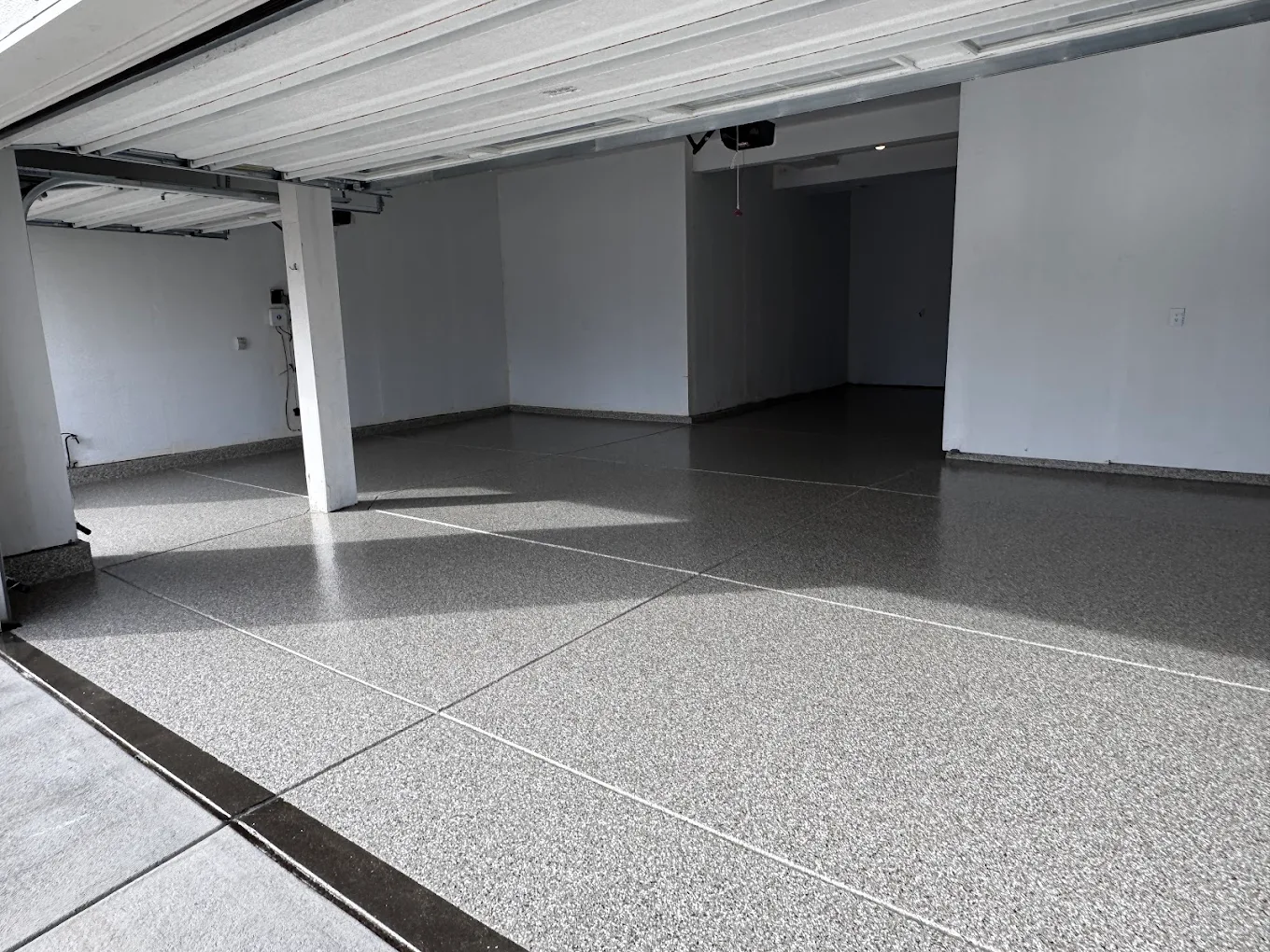
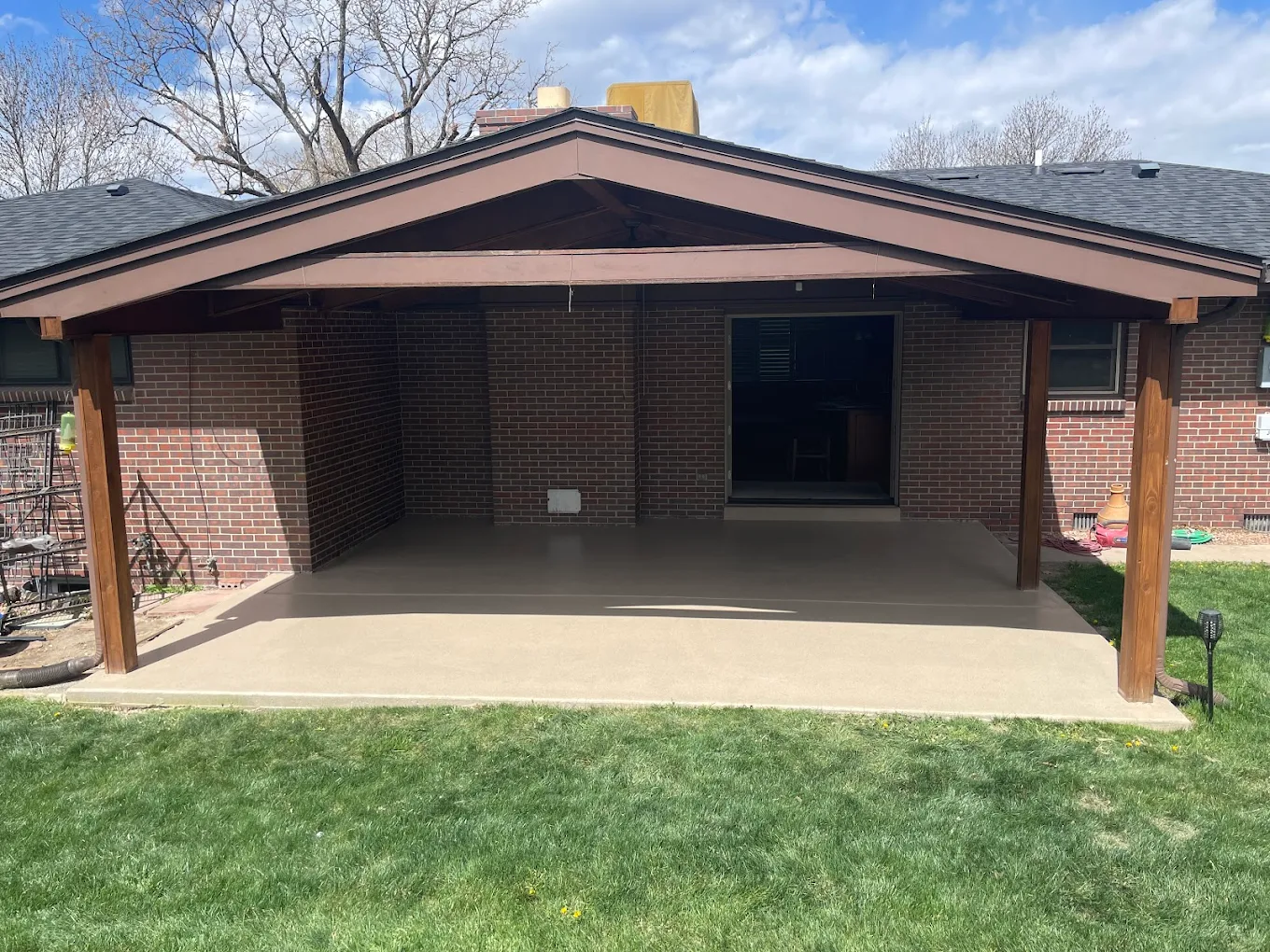
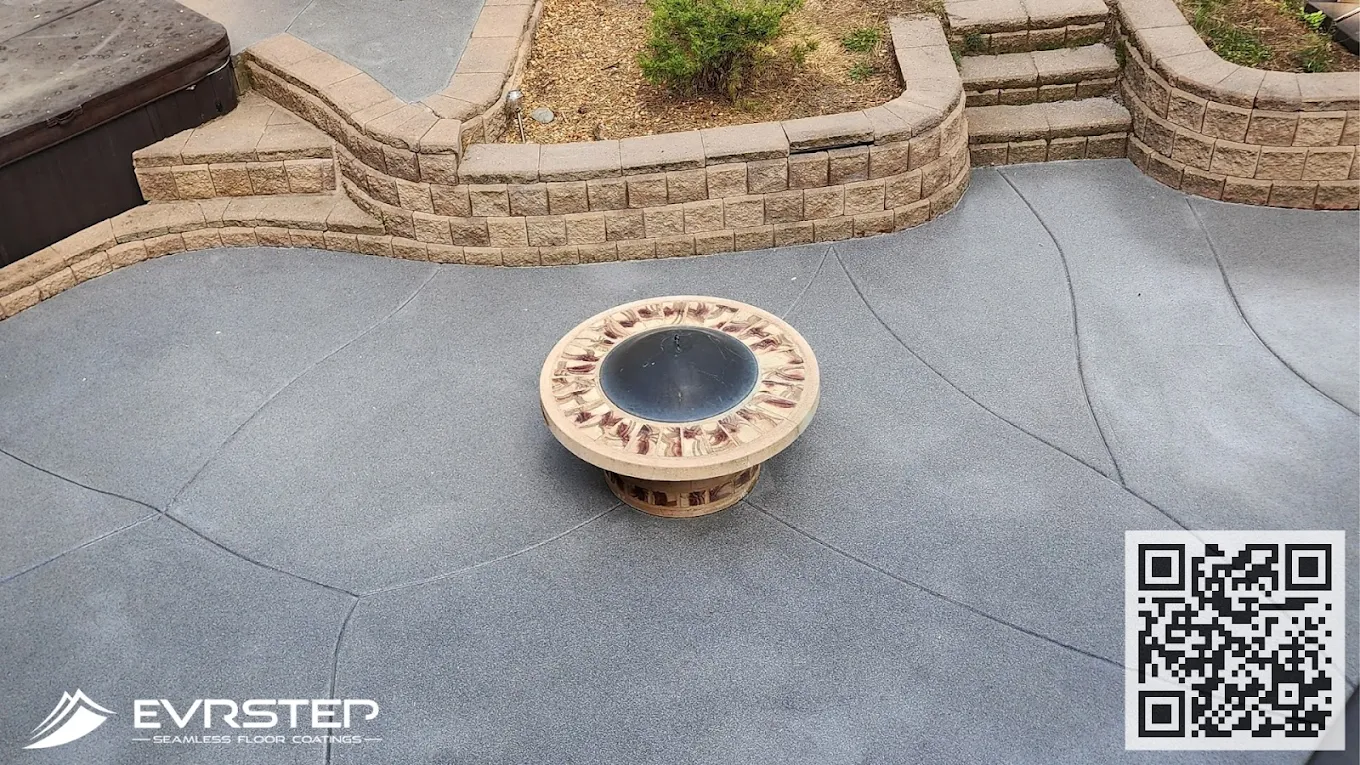
UV‑resistant epoxy outdoor systems can outlast standard coatings, but only when you understand UV chemistry, temperature swings, and proper re‑coating timing.
Ever watched a fresh epoxy patio in Parker turn a dull gray after a few summer months? The frustration of a coating that promised durability but fades quickly is all too common for homeowners who expect long‑term performance.
What you’ll discover here is why those failures happen, which additives truly defend against sunlight, and how to match protection levels to Colorado’s high‑altitude sun. By the end, you’ll have a clear plan to keep your outdoor surface looking fresh for years.
Key Takeaways
Choosing the right UV‑stable epoxy involves chemistry, climate, and timing; proper prep and additives matter more than price alone.
- Chemistry Matters: Aliphatic resins and HALS additives slow yellowing, while aromatic bases degrade within months under Parker’s intense sun.
- Prep Is Critical: Surface profile and moisture testing prevent delamination caused by freeze‑thaw cycles common in Colorado winters.
- Additive Choice: UV absorbers protect surface color, but HALS guard the polymer matrix; the best systems combine both.
- Recoat Timing: Most outdoor epoxy needs a topcoat refresh after three years to maintain gloss and slip resistance.
- Cost vs. Value: Higher‑priced aliphatic topcoats reduce long‑term maintenance, saving money on pool decks and high‑traffic patios.
Why Standard Epoxy Yellows Outdoors Within 18 Months of Installation
Standard epoxy formulations rely on aromatic resin structures that absorb ultraviolet photons, breaking down polymer chains and forming yellow chromophores. In Parker, the elevation of roughly 5,900 feet amplifies UV intensity, accelerating this chemical reaction.
When the coating is exposed to daily sun cycles, the surface layer loses its original hue while the underlying film retains strength, creating a mismatched appearance that looks like premature aging.
Root Causes
- Aromatic Resin: These resins lack built‑in UV blockers, so UV photons trigger free‑radical formation that changes color.
- Insufficient Additives: Without HALS or UV absorbers, the polymer matrix cannot neutralize radicals, leading to rapid chalking.
- High Elevation UV: Parker’s altitude reduces atmospheric filtering, delivering up to 15 % more UV energy than sea‑level locations.
- Temperature Fluctuations: Hot daytime peaks and cold night lows cause micro‑cracks that let UV penetrate deeper into the coating.
- Moisture Trapped: Inadequate drying before curing leaves moisture that reacts with UV‑induced radicals, worsening discoloration.
In practice, you’ll see the yellowing appear first on the most sun‑exposed spots, such as garage aprons or pool decks. The underlying issue isn’t just aesthetics; it signals that the polymer network is deteriorating, which can eventually lead to loss of hardness and increased wear.
The UV Absorber vs. HALS Debate: Which Additive Actually Protects Longer
UV absorbers like benzotriazoles capture harmful wavelengths and convert them into harmless heat, while HALS molecules scavenge free radicals after they form. Both mechanisms appear useful, but their longevity differs under real‑world conditions.
In Parker’s climate, frequent sunny days and occasional hail storms test the coating’s resilience, making the choice of additive a decisive factor for long‑term performance.
A side‑by‑side look at typical performance metrics highlights the practical differences:
| Additive Type | Gloss Retention | ΔE Color Change | Typical Cost Impact |
|---|---|---|---|
| UV Absorber | ≈55 % after 2000 h | ΔE ≈12 | Low‑to‑moderate |
| HALS | ≈75 % after 2000 h | ΔE ≈5 | Moderate‑to‑high |
| Combined | ≈80 % after 2000 h | ΔE ≈4 | Higher |
Additive Insights
- UV Absorbers: They block initial photon entry, reducing surface yellowing but can wear off, leaving the polymer exposed over time.
- HALS Protection: HALS work internally, repairing radicals as they appear, which maintains gloss and flexibility for years.
- Combination Strategy: Systems that blend both achieve immediate color stability and ongoing molecular repair, extending service life.
- Performance Testing: ASTM G154 accelerated weathering shows HALS‑rich coatings retain >70 % gloss after 2000 hours, whereas UV‑only samples drop below 50 %.
- Cost Implication: HALS additives raise material cost, but the reduced re‑coating frequency often offsets the initial expense.
When you weigh the options, consider that HALS provide a self‑healing mechanism that keeps the coating resilient against the daily UV barrage in Parker. For projects where budget is tight, a UV‑absorber‑only system may look attractive, but expect a shorter interval before a touch‑up is needed.
How Surface Temperature Swings Crack UV Coatings Before Sun Damage Appears
Thermal expansion and contraction cause the underlying concrete to move, while the epoxy film, being more rigid, resists that motion. When the differential stress exceeds the coating’s strain capacity, micro‑cracks form, providing pathways for UV and moisture.
In the high‑altitude environment of Parker, daytime temperatures can jump from 40 °F to 90 °F within hours, creating repeated stress cycles that accelerate cracking.
Thermal Effects
- Expansion Mismatch: Concrete expands about 0.0005 in/in per °F, while epoxy expands far less, leading to tensile stress at the interface.
- Rapid Heating: Sun‑heated surfaces can reach 150 °F, causing the top layer to soften and contract quickly as it cools.
- Freeze‑Thaw: Winter freeze cycles introduce moisture expansion, widening existing micro‑cracks and exposing fresh polymer to UV.
- Substrate Preparation: A proper concrete surface profile (CSP 3‑5) allows the coating to grip and accommodate movement.
- Additive Flexibility: Incorporating flexible modifiers, such as polyurethane oligomers, improves the coating’s ability to stretch without cracking.
In practice, you’ll notice a fine network of hairline cracks before any yellowing becomes visible. Addressing thermal stress early, through proper substrate prep and flexible topcoats, prevents those cracks from becoming channels for UV degradation.
What ‘UV‑Resistant’ Really Means on a Product Label (and What It Doesn’t)
Manufacturers often market a coating as “UV‑resistant” without specifying the test method or exposure duration. The term can refer to a simple UV absorber package, a HALS system, or a combination, each offering different levels of protection.
Understanding the label helps you avoid products that only claim UV resistance but fail under Parker’s intense sun and temperature swings.
Label Breakdown
- Test Standards: Look for references to ASTM G154 or ASTM D6695, which quantify color change and gloss loss after accelerated exposure.
- Ingredient Disclosure: A true UV‑resistant system lists HALS or specific UV absorbers; vague claims without ingredient detail are red flags.
- Performance Claims: Percentages of gloss retention after 2000 hours provide a realistic benchmark; anything lower than 60 % is likely insufficient.
- Warranty Limits: Some warranties cover only fading, not cracking; read the fine print to know what’s truly protected.
- Regional Suitability: Products designed for low‑UV regions may not hold up in Parker’s high‑altitude sunlight.
When you compare two products, the one that cites a recognized test method and lists both UV absorbers and HALS will generally deliver longer‑lasting protection. Anything less is likely to show fading or chalking within a year.
The Recoat Window Problem Most Outdoor Epoxy Projects Face After Year Three
Even the best UV‑stable epoxy loses its protective sheen after several years of exposure. The “recoat window” refers to the period when the topcoat’s gloss and slip resistance decline enough to warrant a fresh layer.
In Parker, the combination of UV intensity and freeze‑thaw cycles means that many installations reach this point around the three‑year mark.
Typical recoat intervals based on traffic and exposure:
| Application Type | Expected Lifespan | Recommended Recoat Interval |
|---|---|---|
| Residential patio | 8‑10 years | Every 3‑4 years |
| Commercial walkway | 5‑7 years | Every 2‑3 years |
| Pool deck | 10‑12 years | Every 4‑5 years |
Recoat Triggers
- Gloss Drop: When measured gloss falls below 70 % of the original value, the surface appears dull and may slip when wet.
- ΔE Increase: A color shift of ΔE > 8 indicates noticeable yellowing that can’t be corrected by cleaning alone.
- Surface Roughness: Abrasion from sand or hail creates micro‑pits that reduce slip resistance and invite UV penetration.
- Moisture Intrusion: Winter melt can seep into micro‑cracks, weakening adhesion and prompting bubbling on the surface.
- Traffic Wear: High foot or vehicle traffic accelerates wear, especially on pool decks and driveways.
Planning a recoat schedule ahead of time saves money and prevents emergency repairs. By tracking gloss and color change, you can schedule a topcoat refresh before the surface becomes unsafe or unsightly.
Why Aliphatic Topcoats Cost More But Save Money on Pool Decks and Patios
Aliphatic topcoats contain aliphatic ester chemistry that resists UV‑induced yellowing far better than aromatic systems. The added cost reflects higher raw material prices and more complex manufacturing.
For pool decks and patios that see daily sun exposure, the longer service life and reduced maintenance offset the initial expense.
Cost‑Benefit Summary
- Long‑Term Durability: Aliphatic systems retain >85 % gloss after 2000 hours, reducing the need for frequent recoats.
- Chemical Resistance: They resist chlorine and salt, making them ideal for pool surroundings where splashes are common.
- Slip Safety: Integrated anti‑slip aggregates maintain a wet DCOF above 0.5, meeting local safety guidelines.
- Lower Maintenance: Fewer touch‑ups mean less labor cost and less disruption to outdoor activities.
- Environmental Impact: Many aliphatic products meet low‑VOC standards, aligning with EPA sun‑safety recommendations.
When you factor in the reduced frequency of re‑coating and the avoidance of premature yellowing, the aliphatic topcoat’s higher price becomes an investment that protects both aesthetics and safety on high‑exposure surfaces.
Matching UV Protection Level to Your Climate Zone’s Annual Sun Exposure Hours
Colorado’s climate zones vary, but Parker consistently records over 250 sunny days per year, translating to high cumulative UV exposure. Selecting a coating with the right UV protection rating ensures the surface endures this load without rapid degradation.
Manufacturers rate UV protection in terms of “UV‑hours” or “UV‑index tolerance,” which can be matched to local sun‑hour data for optimal performance.
Protection Matching
- Low‑Exposure Zones: For shaded patios, a standard UV absorber may suffice, offering cost‑effective protection.
- Moderate Zones: Direct‑sun decks benefit from combined UV absorber and HALS systems, balancing cost and durability.
- High‑Exposure Zones: Full‑sun pool decks and driveways should use aliphatic topcoats with HALS for maximum longevity.
- Seasonal Adjustments: In winter, prioritize flexibility additives to handle freeze‑thaw stress alongside UV protection.
- Testing Guidance: Use a solar‑radiation calculator to estimate annual UV‑hours and compare with product specifications.
By aligning the coating’s UV rating with Parker’s sun‑hour profile, you avoid over‑engineering a low‑traffic walkway while ensuring that high‑exposure areas stay bright and crack‑free for years.
Keeping Outdoor Epoxy Bright
We’ve explored why standard epoxy yellows, how UV absorbers and HALS differ, and why temperature swings matter before the sun even shows its effects. Matching protection levels to Parker’s high‑altitude sun and planning timely re‑coats keep surfaces looking fresh.
If you’re ready to protect your patio, driveway, or pool deck, start by testing slab moisture, choose a system with both UV absorbers and HALS, and schedule a professional recoat every three to four years. A well‑chosen UV‑resistant epoxy outdoor solution pays for itself in reduced maintenance and lasting curb appeal.
Author
This article was written by the EvrStep Epoxy Coatings Editorial Team, experienced professionals serving Parker. Our team focuses on educating clients and providing valuable insights to help them make informed decisions.