When it comes to choosing the right flooring for your home or business, understanding the cost difference between epoxy and tile is crucial. Both options come with unique advantages, but their price points can differ significantly based on several factors. From the initial costs of materials to installation and long-term upkeep, grasping the financial aspects of each choice is key to making an informed decision.
Let’s dive into the details. By comparing the upfront investment, durability, and ongoing maintenance requirements, we can reveal which flooring solution offers the best value for various spaces and needs. You might find that the best choice isn’t just about the initial price tag; there’s much more to consider. Whether you’re renovating a room or building from scratch, this guide will help you navigate the landscape of flooring options with confidence.
Understanding Epoxy and Tile Costs
When comparing epoxy and tile flooring options, understanding the cost factors is essential for making an informed choice. Epoxy flooring typically ranges from $3 to $12 per square foot, while tile flooring materials alone cost between $3 and $5 per square foot. However, the real cost difference comes from the installation process and long-term maintenance expenses. Epoxy coatings offer a durable and low-maintenance solution that can significantly lower long-term costs.
Installation costs for epoxy flooring are often under $1 per square foot. In contrast, tile installation can be much more expensive, ranging from $5 to $10 per square foot due to its labor-intensive nature. This substantial difference in installation costs can greatly affect the overall project budget, especially for larger commercial or high-traffic areas.
While the initial investment for epoxy flooring may seem higher, its long-term expenses are typically lower. The durability and ease of maintenance of epoxy contribute to reduced costs over time, making it a smart choice for many situations. Tile flooring, although potentially less expensive upfront, might require more frequent maintenance and repairs, especially in high-traffic environments.
It’s also important to note that high-quality tile flooring can drive up overall costs because of the extensive substrate preparation required. This factor should be considered when evaluating the total expense of each option. Additionally, the desired aesthetic appeal plays a key role in decision-making, as both epoxy and tile offer unique visual characteristics that may influence your final choice.
Ultimately, the cost difference between epoxy and tile flooring depends on specific project requirements, including the intended use of the space, expected foot traffic, and long-term maintenance considerations. By carefully evaluating these factors, property owners and managers can make an informed decision that balances initial costs with long-term value.
Upfront Investment Comparison
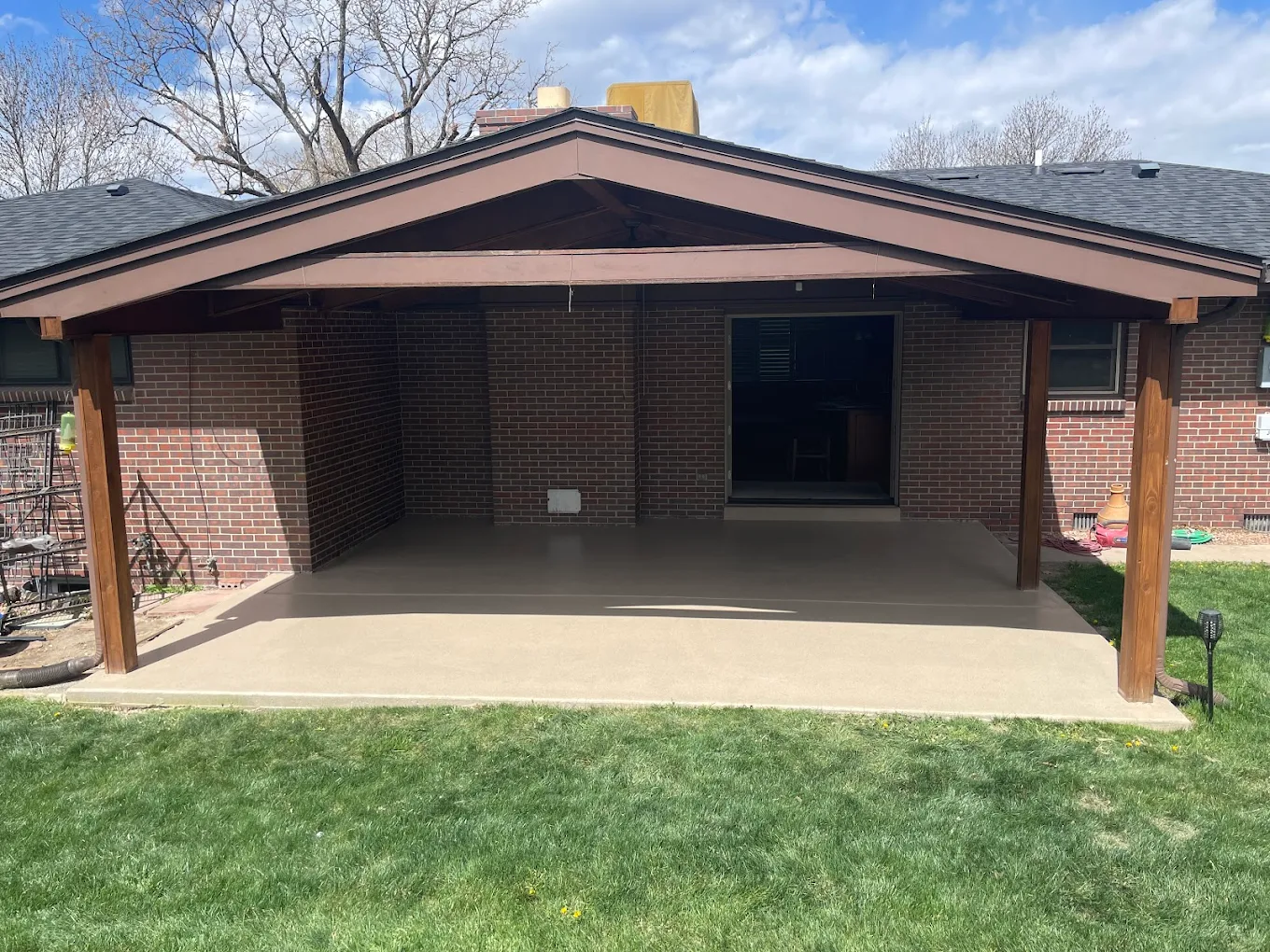
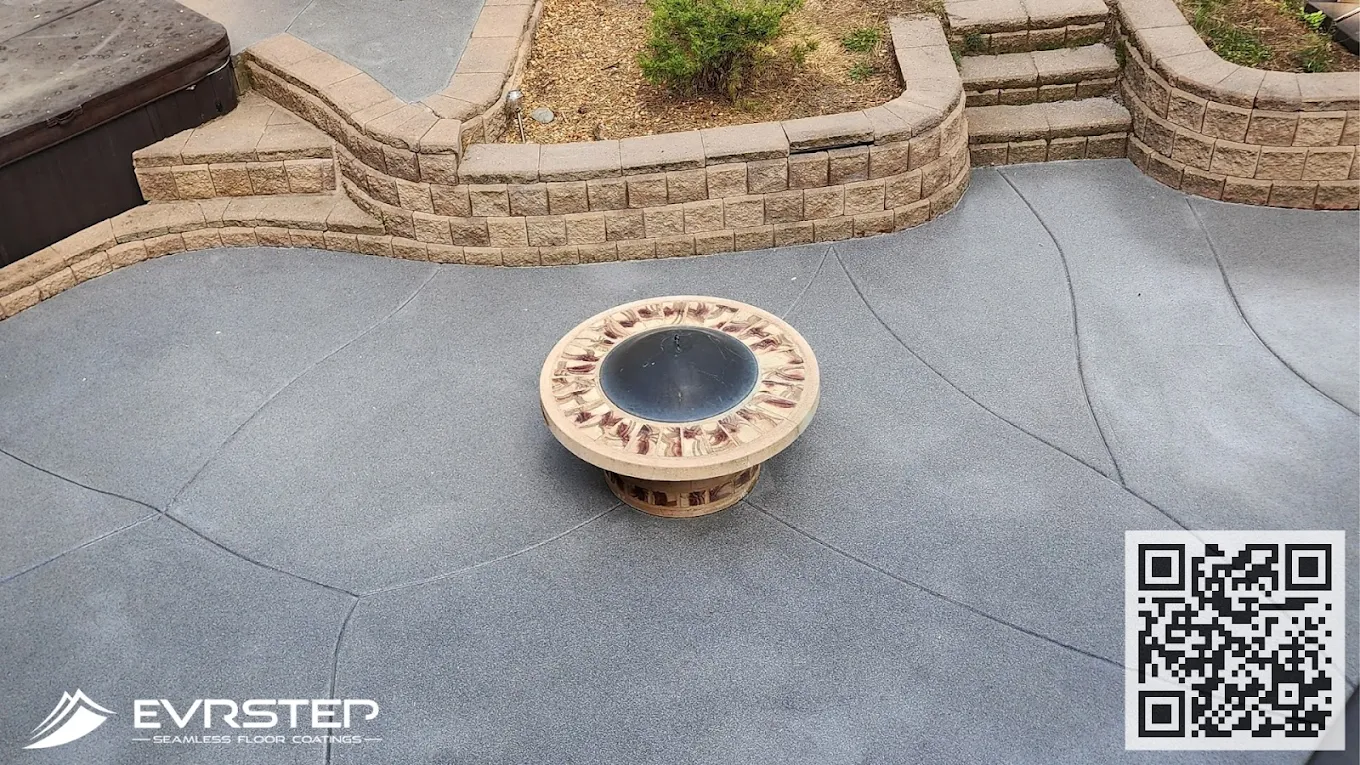
When it comes to upfront investment, the cost profiles of epoxy and tile flooring are quite different and deserve careful consideration. Epoxy flooring typically ranges from $3 to $12 per square foot, while the material cost for tile flooring falls between $3 and $5 per square foot. However, the true difference in upfront costs becomes clear when you factor in installation expenses. The seamless installation of epoxy coatings often allows homeowners to enjoy their new floors more quickly, reducing disruption to their daily routine. Plus, exterior epoxy coatings can enhance outdoor living spaces with their appealing aesthetics.
Installation costs for epoxy flooring are generally low, typically under $1 per square foot. In contrast, tile flooring installation can be significantly more expensive, ranging from $5 to $10 per square foot due to the labor-intensive nature of the process. This considerable difference in installation costs can greatly influence the overall upfront investment for each flooring option.
When assessing the total upfront investment, it’s important to consider any additional expenses. Tile flooring might necessitate extensive substrate preparation and specialized installation techniques, which can further increase costs. On the other hand, while some epoxy flooring projects may have a higher initial cost, the long-term benefits often warrant the investment.
Epoxy flooring’s durability and low maintenance requirements lead to significant long-term savings, making it a better return on investment for many settings. The reduced need for frequent repairs or replacements offsets the higher upfront cost, resulting in lower overall expenses over time. In contrast, while tile flooring may have a lower material cost initially, its higher installation expenses and potential maintenance needs can lead to greater long-term costs.
Durability and Lifespan Analysis
When comparing the durability and lifespan of epoxy and tile flooring, several key factors come into play. Epoxy flooring stands out for its superior impact resistance and non-porous nature, often making it last longer than tile in high-traffic areas while requiring less maintenance. Its exceptional durability against moisture and chemicals further illustrates its suitability for demanding environments, as noted in its exceptional durability benefits.
Both materials can last between 10 to 20 years with proper care, but epoxy’s seamless surface and resistance to moisture damage help it maintain its appearance and functionality over time. This can potentially lead to reduced long-term costs associated with repairs and replacements.
Impact Resistance Comparison
When it comes to choosing between epoxy and tile flooring, durability and lifespan are key factors, with impact resistance being particularly important. Epoxy flooring offers superior impact resistance compared to tile, making it a more suitable choice for high-traffic areas. This resilience means there’s less chance of cracks or chips forming under heavy loads, especially in commercial spaces where durability is crucial.
While tile flooring is usually more scratch-resistant, it can be susceptible to cracking from strong impacts, particularly if it’s not installed correctly. This susceptibility may lead to higher maintenance costs and could shorten its lifespan. On the other hand, epoxy’s seamless surface helps prevent moisture penetration and reduces the risk of damage from spills or stains, contributing to its longevity. When properly installed, epoxy can last between 10 to 20 years. In contrast, tiles may need regrouting and repairs for chips over time.
It’s also important to note that epoxy flooring generally requires routine refurbishing every 3 to 5 years to maintain its performance, while tile typically demands less frequent upkeep to stay functional.
Maintenance Requirements Over Time
The maintenance requirements for epoxy and tile flooring significantly impact their durability and lifespan over time. Epoxy flooring provides a seamless surface that can last between 10 to 20 years with proper care. To keep it performing at its best, it typically needs refurbishing every 3 to 5 years. On the other hand, tile flooring may require regrouting and maintenance to address chipping, which can lead to higher long-term upkeep costs.
Both materials are non-porous and stain-resistant. However, the seamless design of epoxy makes it easier to clean compared to tiles, which often trap dirt in the grout lines. Maintaining epoxy involves simple cleaning with soap and water, while tile maintenance can necessitate specialized cleaning products for the grout, adding to the long-term effort and expense.
While tiles may show less visible wear over time, their need for regrouting and susceptibility to chipping can result in higher maintenance costs. Over the long haul, epoxy flooring tends to incur lower maintenance expenses and requires less frequent replacement. In contrast, tiles may demand more regular repairs and intensive cleaning efforts.
Expected Lifespan Assessment
When considering flooring options, one of the most important factors is their expected lifespan and overall durability. Epoxy flooring generally lasts between 10 to 20 years with proper maintenance, while tile flooring may have a longer lifespan but often requires more frequent upkeep. The durability of epoxy is enhanced by its seamless, impermeable surface that resists moisture and stains, making it less prone to damage over time.
Tiles can be long-lasting, but they are susceptible to cracking from strong impacts and may need regrouting and maintenance to fix chips. In contrast, epoxy exhibits a higher resistance to heavy impacts, which reduces the chances of cracking under stress. However, epoxy does require refurbishing every 3 to 5 years to maintain its optimal performance, whereas tiles typically need less frequent maintenance.
When evaluating the expected lifespan of these flooring options, it’s essential to consider your lifestyle and usage patterns. Both materials can withstand various stresses effectively, but the choice between epoxy and tiles ultimately hinges on your specific needs and preferences. Proper installation and maintenance are crucial for maximizing the longevity of either option.
Maintenance Costs Over Time
When weighing the long-term financial implications of flooring choices, maintenance costs are crucial in assessing overall value. Epoxy flooring tends to have lower long-term maintenance expenses compared to tiles, making it a popular option for commercial spaces and areas that require regular cleaning. Although tiles may have a lower initial installation cost, their ongoing maintenance often leads to higher expenses over time. Furthermore, the durability and abrasion resistance of UV-Stable Polyaspartic Garage Floor Coatings only enhance the appeal of epoxy flooring.
The minimal maintenance needs of epoxy flooring significantly contribute to its cost-effectiveness. Usually, basic cleaning suffices to keep it looking good and functioning well, while tiles often demand specialized cleaning products and regular grout sealing. Since epoxy flooring lacks grout, it doesn’t trap dirt and bacteria as easily, simplifying the cleaning process and potentially lowering related costs.
While epoxy may need refurbishing every three to five years to maintain its appearance, this is generally less frequent than the upkeep required for tiles. Tile flooring might require regrouting or replacing damaged pieces over time, which can be labor-intensive and costly. These factors lead to higher long-term costs with tile flooring.
Epoxy flooring’s durability also enhances its cost-effectiveness. With fewer repairs needed and a longer lifespan, it often proves to be a more economical choice over time. Although the initial investment might be higher, the reduced frequency of repairs and the ease of cleaning associated with epoxy makes it a strong contender for those looking to minimize maintenance costs in the long run.
Installation Process and Expenses
The installation process for epoxy and tile flooring varies significantly in terms of labor intensity and time, which directly affects overall costs. Epoxy can be applied quickly and usually requires minimal substrate preparation. In contrast, tile installation involves several labor-intensive steps, such as applying mortar and grouting. This difference in complexity leads to a notable disparity in installation expenses. Typically, epoxy costs less than $1 per square foot, while tile installation ranges from $5 to $10 per square foot.
Labor and Time Factors
Labor-intensive processes and time considerations significantly influence the cost differences between epoxy and tile flooring installations. The tile installation process requires thorough substrate preparation, mortar application, and grouting, leading to higher labor costs and longer installation times compared to epoxy. Typically, tile installation labor costs range from $5 to $10 per square foot, whereas epoxy installation costs are generally under $1 per square foot.
Epoxy installation tends to be simpler and less labor-intensive, as it can be applied directly to concrete slabs, allowing for quicker setup. However, it’s important to note that the curing time for epoxy can extend up to a week, which may affect the overall project timeline. On the other hand, tiles can be walked on immediately after installation, which can be a significant advantage in certain situations.
The labor-intensive nature of tile installation contributes to its higher expenses and longer wait times compared to the more straightforward epoxy process. When weighing the cost difference between epoxy and tile flooring, it’s crucial to consider these labor and time factors, as they greatly impact the overall project cost and duration.
Material Preparation Costs
Material preparation costs significantly influence the total expense of flooring installations. When comparing epoxy flooring to tile installation, notable differences arise in both preparation processes and associated costs. Tile installation demands extensive substrate preparation, including mortar application and grouting. This complexity leads to higher labor costs and longer installation times. On the other hand, epoxy flooring installation is typically more straightforward, as it can be applied directly to concrete slabs. This simplicity reduces the need for extensive prep work, resulting in lower labor costs.
Installation costs for epoxy flooring usually fall below $1 per square foot, while tile installation can range from $5 to $10 per square foot due to its labor-intensive nature. Although the initial material cost for epoxy might be higher, it often leads to lower long-term expenses thanks to easier maintenance and less frequent repairs. However, keep in mind that epoxy has a curing time that can extend up to a week, while tiles can be walked on immediately after installation. This difference in curing time impacts the overall project duration and expenses, potentially offsetting some of the cost savings linked to epoxy’s simpler installation process.
Design Options and Aesthetics
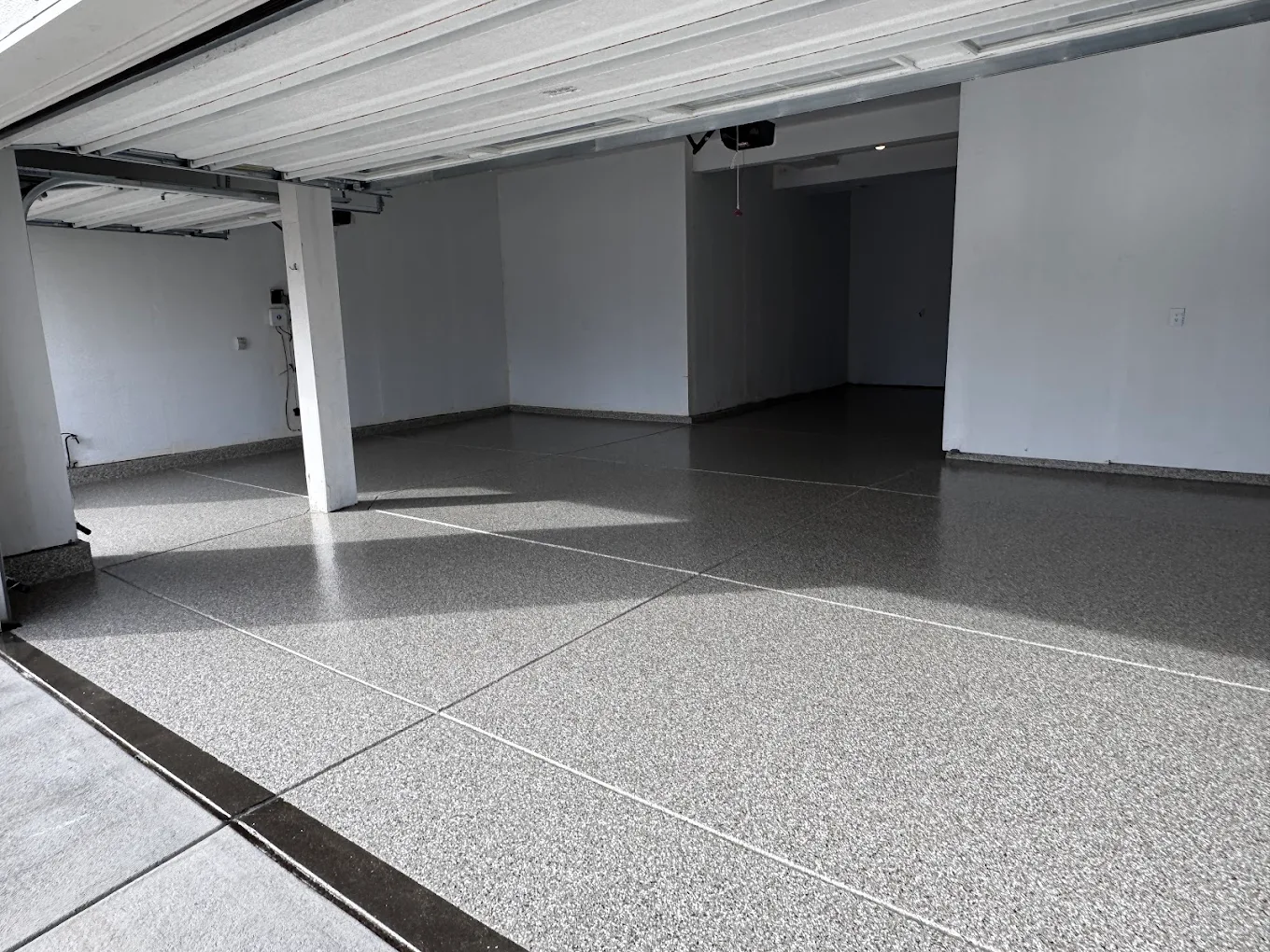
When exploring design options and aesthetics, both epoxy and tile flooring present unique benefits and limitations. Epoxy flooring shines with its extensive range of customizable colors and textures, enabling distinctive designs that can imitate polished stone or feature intricate patterns. This flexibility allows homeowners to craft truly personalized flooring solutions that align seamlessly with their design vision.
One standout aesthetic benefit of epoxy is its seamless finish, which eliminates grout lines, resulting in a cleaner and more spacious appearance. On the other hand, tile flooring can appear more segmented due to visible grout, which may detract from the overall visual appeal of a space. While tile flooring offers a variety of materials, styles, and patterns, it generally lacks the same level of customization as epoxy.
Natural stone tiles can give spaces a luxurious touch, appealing to those who desire an upscale aesthetic. However, this elegant look often comes with higher maintenance demands to keep them looking their best over time. In contrast, epoxy maintains its shine with minimal upkeep, making it an appealing choice for those who value both beauty and low maintenance.
For commercial environments, epoxy’s ability to incorporate logos or graphics provides a versatile branding opportunity. This level of customization isn’t typically available with tile flooring, which usually offers pre-made patterns and colors. Ultimately, the decision between epoxy and tile flooring in terms of design options and aesthetics depends on the individual needs and preferences of the property owner, as well as the intended use of the space.
Long-Term Value Assessment
When it comes to choosing flooring, it’s important to look beyond just how it looks. A thorough assessment of flooring options must include an evaluation of long-term value. For instance, if you’re comparing epoxy flooring to tile flooring, you’ll want to consider both the initial costs and the long-term expenses to identify the most cost-effective choice, especially in commercial spaces.
Epoxy flooring usually comes with a higher upfront cost, ranging from $3 to $12 per square foot, whereas tile costs between $3 and $5. However, the long-term value of epoxy often outweighs that of tile. Installation costs for epoxy are generally lower, typically under $1 per square foot, compared to tile installation, which can range from $5 to $10 per square foot. This significant difference in installation costs enhances epoxy’s overall cost-effectiveness.
Durability plays a crucial role in assessing long-term value. With proper maintenance, epoxy flooring can last between 10 to 20 years, often leading to lower lifetime costs than tile flooring. While epoxy may require refurbishing every 3 to 5 years, tile can need regrouting and other maintenance over time, which can drive up long-term expenses.
In high-traffic commercial settings, the durability and reduced maintenance costs of epoxy can result in significant savings. Even though tiles might require less frequent upkeep in some instances, epoxy’s resilience to heavy wear makes its cost-effectiveness clear. This combination of durability and lower maintenance costs often provides substantial long-term value for businesses and property owners who opt for epoxy flooring over tile.
Understanding the Cost Difference: Epoxy Vs. Tile Flooring
Epoxy flooring often presents a more advantageous long-term investment compared to tile flooring despite tile’s lower initial material costs. The installation of epoxy is generally less expensive, and its maintenance requirements are also minimal, making it a cost-effective choice over time. For areas that experience significant foot traffic, epoxy flooring stands out for its durability and extended lifespan, ultimately delivering greater value. Considering all factors—from initial costs to ongoing performance—epoxy flooring emerges as a financially wise option that combines affordability with enduring quality.
EvrStep Seamless Coatings specializes in providing high-quality epoxy coatings for both residential homes and businesses in the Denver Metro area. Their expertise ensures that clients receive tailored solutions that meet specific needs while prioritizing durability and aesthetic appeal. By choosing EvrStep, customers benefit from a reliable partner dedicated to delivering exceptional results without compromise. For those looking to enhance their spaces, exploring options like epoxy flooring solutions in Denver can lead to remarkable transformations.