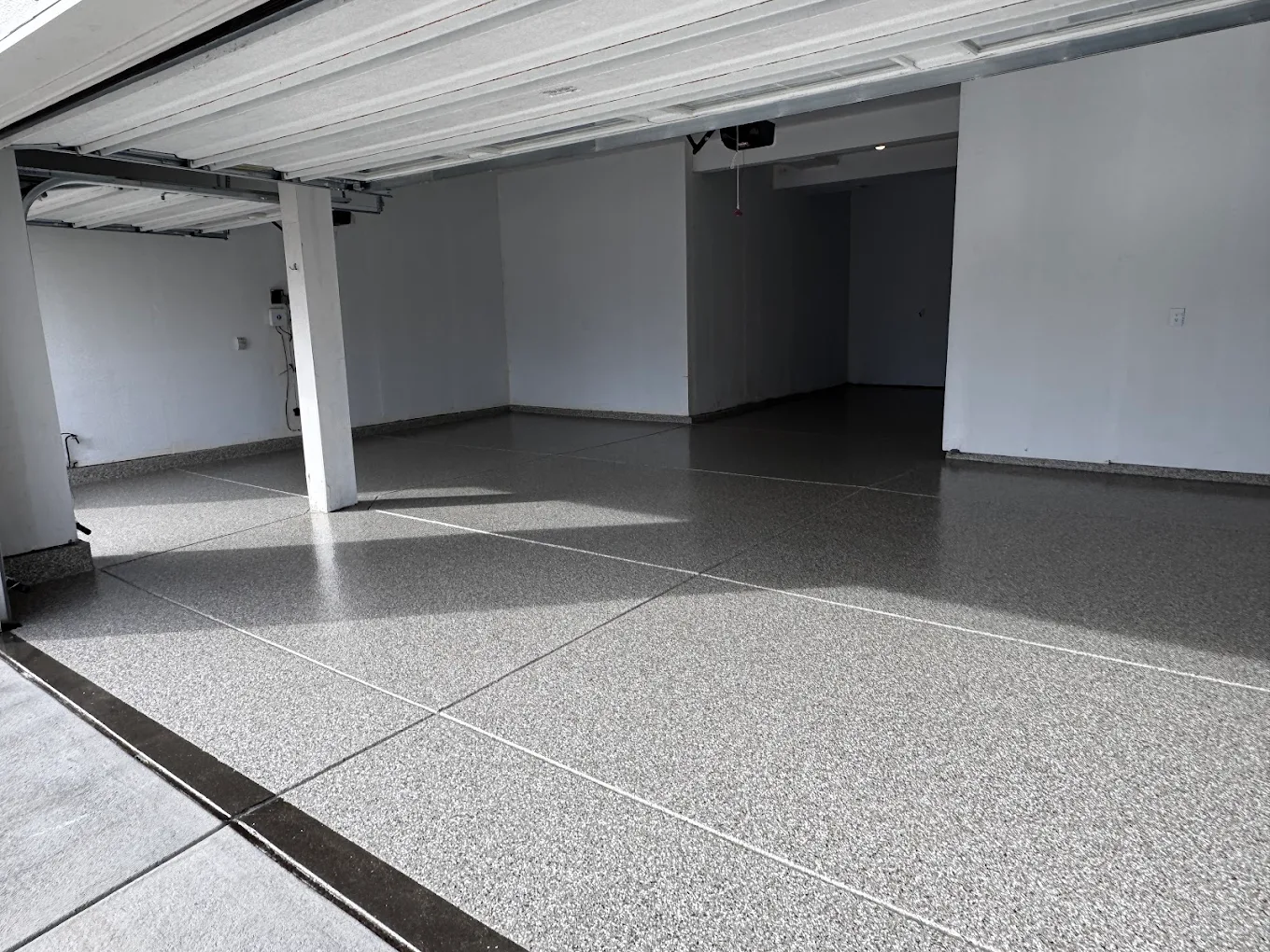
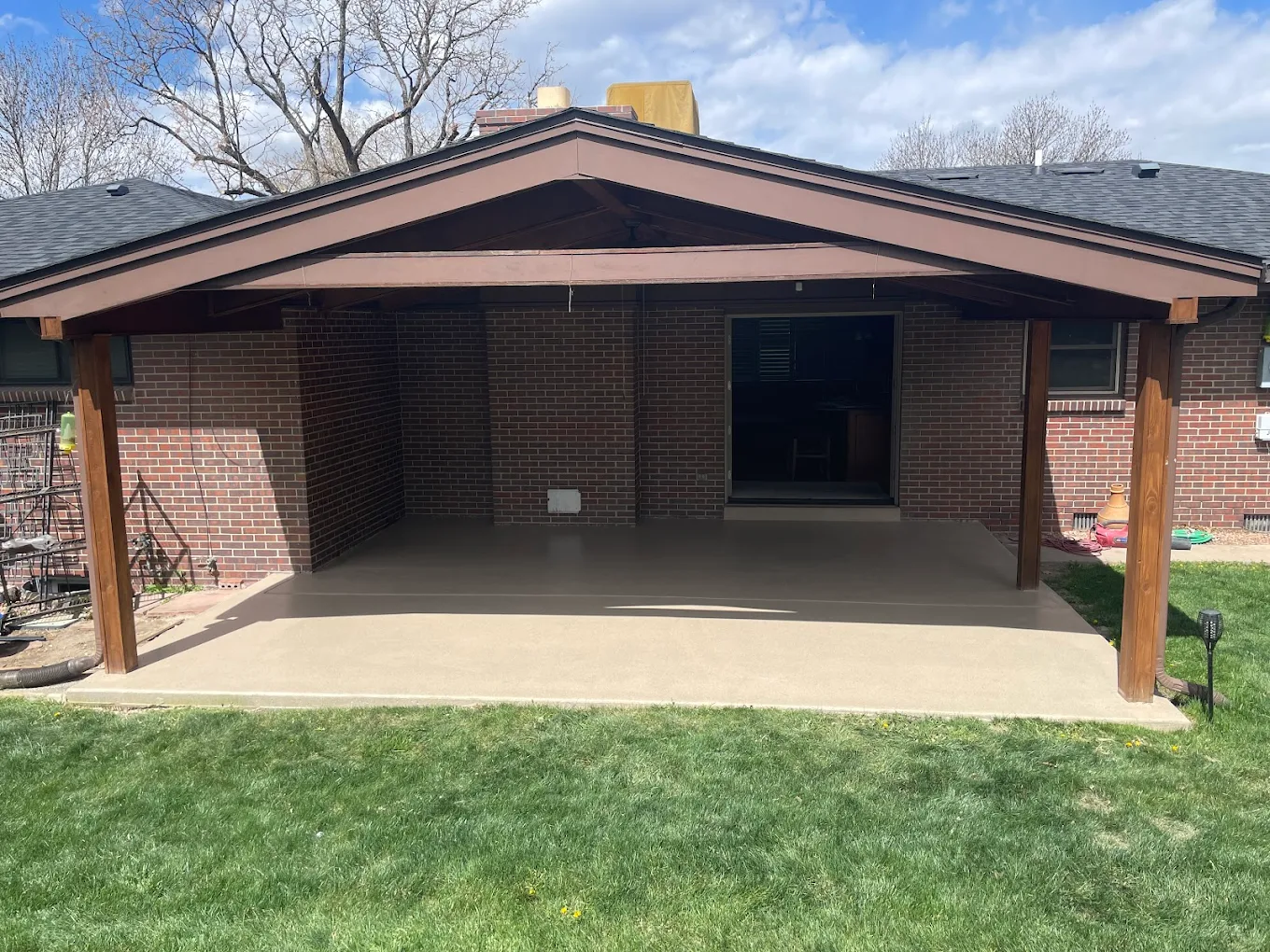
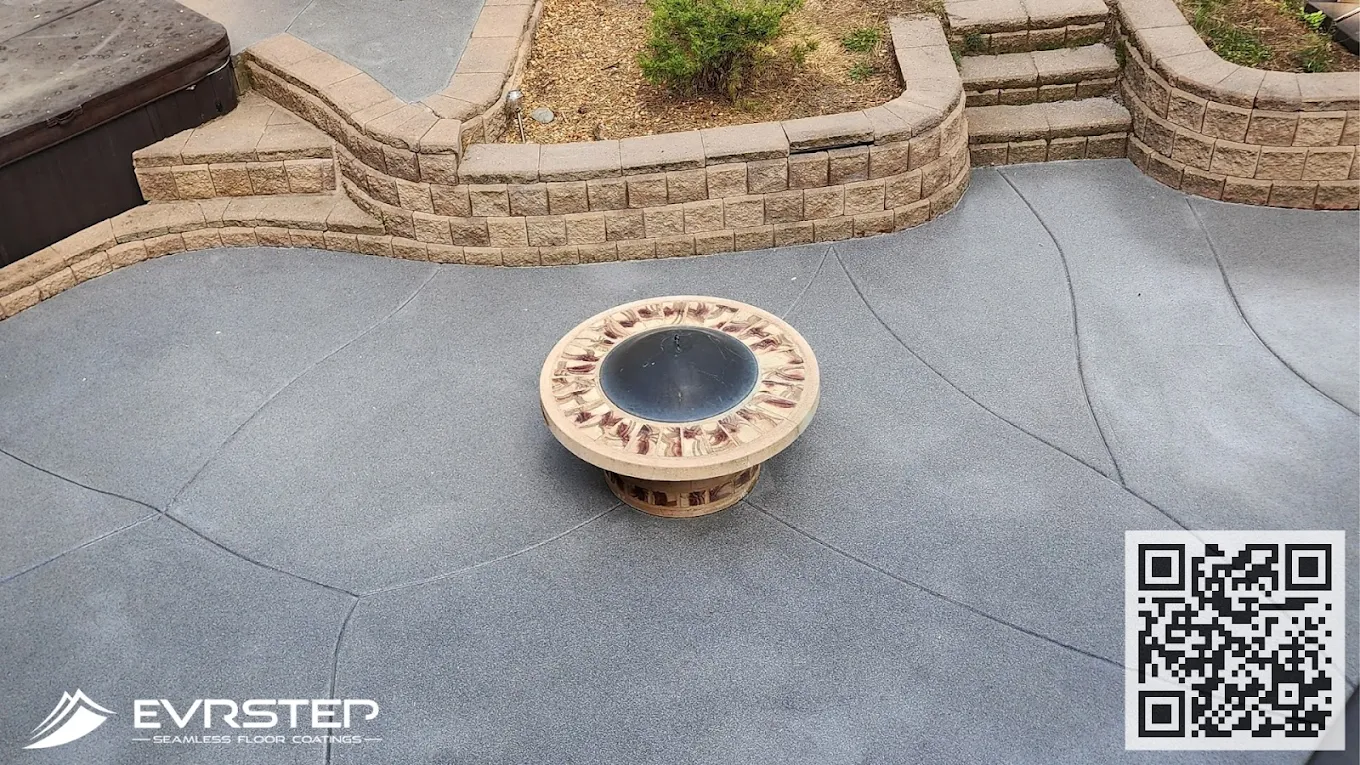
Outdoor epoxy coatings for patios and driveways in Parker typically range from $4 to $10 per square foot for basic epoxy, and $7 to $15 per square foot for upgraded systems (like a polyaspartic topcoat). Professional installation for a standard 2‑car garage or patio space (300‑500 sq ft) generally costs between $1,300 and $3,000, making it a moderately expensive investment.
Cost Breakdown & Options in Parker
Local Pros & Considerations
- Standard Epoxy: $4 – $10 per sq. ft.*
- Upgraded Epoxy + Polyaspartic/Polyurea Topcoat: $7 – $15 per sq. ft.* (Highly recommended for outdoor areas in Colorado, as UV‑stable topcoats prevent fading and yellowing under the sun).
- DIY Kits: $399 to $985+* for materials depending on the square footage you need to cover.
- Local Options: You can explore local services to request quotes from rated professionals like Fine Line Painting or Elevated Epoxy Co.
- Outdoor Warning: Standard epoxies tend to chalk or yellow under continuous UV exposure. Always ensure your chosen contractor uses a specialized outdoor UV‑resistant coating or a polyaspartic topcoat specifically rated for Colorado’s harsh sun and freeze‑thaw cycles.
- Approximate Square Footage: Measure your space accurately before seeking quotes.
- Surface Type: Identify whether it’s a patio, walkway, or pool deck to select the proper system.
- DIY vs. Professional: Decide if you prefer a DIY kit or professional installation.
*Illustrative. Actual amounts may vary.
Outdoor epoxy coating expensive because it demands UV‑stable topcoats, rigorous prep, and climate‑specific materials. Understanding these drivers helps Parker homeowners choose the right system and budget wisely.
Ever wondered why the quote for an outdoor epoxy system feels steep compared with a garage floor? The answer isn’t just about labor; it’s a mix of climate challenges, material science, and preparation steps that add up quickly.
In this article you’ll see the hidden cost drivers, learn how UV‑stable upgrades shift pricing, and discover what makes a durable outdoor finish worth the extra dollars in Parker’s high‑altitude, freeze‑thaw environment.
Why Outdoor Epoxy Costs Double What Most Homeowners Budget For
When a Parker homeowner sees a $12 per square foot estimate, the reaction is often disbelief. The reality is that outdoor epoxy must survive harsh sun, snow, and de‑icing salts, which forces manufacturers to formulate more resilient resins and additives.
These performance requirements drive material costs, and the installation process becomes more labor‑intensive. From moisture testing to shot blasting, each step adds time and expertise, pushing the final price well beyond indoor averages.
Key Cost Drivers
- Material Formulation: UV‑stable aliphatic resins and polyaspartic topcoats contain premium additives that resist yellowing and chalking under Colorado’s intense sun.
- Surface Profiling: Achieving a CSP 2‑3 profile via shot blasting or diamond grinding requires specialized equipment and skilled labor, increasing labor rates.
- Moisture Management: Testing with ASTM F2170 probes and applying moisture‑blocking primers add both material and labor expenses to prevent delamination.
- Climate‑Specific Additives: Freeze‑thaw resistant compounds and salt‑resistant fillers are costlier but essential for Parker’s winter conditions.
- Warranty and Compliance: Certified installers follow ASTM D7234 pull‑off adhesion tests and provide warranties that reflect the higher risk profile of outdoor applications.
In practice, the sum of these specialized materials and meticulous preparation explains why outdoor epoxy coating expensive compared with indoor projects. Homeowners who overlook these factors often face premature failures and hidden repair costs.
The UV Stabilization Upgrade That Separates $8 and $15 Per Square Foot
A thin layer of UV‑stable topcoat can make the difference between a vibrant patio and a faded, chalky mess after a single summer. In Parker, where the UV index regularly peaks at 9‑10, that upgrade isn’t optional.
The price jump from $8 to $15 per square foot reflects the cost of aliphatic polyaspartic chemistry, which resists UV degradation and offers superior gloss retention.
UV Upgrade Benefits
- Color Retention: Aliphatic polyaspartic formulations maintain hue for years, eliminating costly repaint cycles.
- Gloss Preservation: UV absorbers and HALS additives keep the surface shiny, enhancing curb appeal and resale value.
- Chemical Resistance: UV‑stable systems also resist de‑icing salts and automotive fluids, reducing wear in high‑traffic zones.
- Reduced Maintenance: A durable topcoat means fewer cleanings and less frequent resealing, saving time and money.
- Compliance: Many Colorado building codes reference ASTM G154 for UV exposure testing, and polyaspartic systems meet those standards.
Choosing the UV‑stable upgrade may raise the per‑square‑foot price, but the long‑term savings from avoided repainting and reduced wear make it a smart investment for any Parker homeowner.
What Happens When You Use Indoor‑Grade Epoxy on Exterior Concrete
Indoor‑grade epoxy is formulated for low‑light, stable environments, so applying it outdoors is a recipe for disappointment. In Parker’s high‑altitude climate, those systems quickly show their weaknesses.
The result is often chalking, yellowing, and premature cracking, which forces owners to spend on repairs far sooner than anticipated.
Indoor‑Grade Pitfalls
- UV Degradation: Standard epoxy yellowes within months under Parker’s intense sunlight, compromising aesthetics.
- Moisture Sensitivity: Indoor formulas lack moisture‑blocking agents, leading to blistering when freeze‑thaw cycles introduce water vapor.
- Reduced Hardness: Without UV stabilizers, the coating softens, making it vulnerable to abrasion from sand, salt, and foot traffic.
- Short Lifespan: Expect a functional life of 2‑3 years versus 10‑15 years for outdoor‑specific systems.
- Warranty Void: Most manufacturers void warranties if the product is used outside its intended indoor environment.
In practice, the cost savings of an indoor‑grade epoxy evaporate quickly when it fails under outdoor conditions. Parker residents should prioritize products designed for UV exposure and temperature swings.
Temperature Swings Do More Damage Than the Epoxy Brand You Choose
Parker experiences dramatic temperature shifts, from 90 °F summer highs to sub‑0 °F winter lows. These swings cause concrete expansion and contraction, testing the flexibility of any coating.
Even the most reputable epoxy brand can crack or delaminate if it lacks the right thermal resilience.
Thermal Stress Factors
- Coefficient of Expansion: Mismatch between concrete and epoxy leads to tensile stress during rapid temperature changes.
- Freeze‑Thaw Cycles: Water trapped in micro‑cracks expands, pushing the coating away from the substrate.
- Heat‑Accelerated Curing: High summer temperatures can shorten pot life, causing uneven cure and reduced hardness.
- Cold‑Start Limitations: Applying epoxy below 50 °F can prevent proper cross‑linking, resulting in a weak film.
- Seasonal Scheduling: Installing during mild spring or early fall minimizes thermal shock and improves bond strength.
Understanding Parker’s temperature profile helps homeowners schedule installations at optimal times, ensuring the epoxy can flex with the concrete and avoid costly failures.
The Surface Prep Work That Accounts for 40% of Your Total Cost
Proper surface preparation is the foundation of any lasting epoxy system. In Parker, where concrete may have been exposed to freeze‑thaw damage, thorough cleaning and profiling are non‑negotiable.
Skipping or skimping on this step often leads to premature delamination, which is far more expensive than the initial prep.
Prep Essentials
- Cleaning: Remove oil, grease, and dust using a degreaser and pressure washer to achieve a contaminant‑free surface.
- Profiling: Shot blasting to achieve CSP 2‑3 creates a mechanical key for the epoxy to lock onto.
- Moisture Testing: Conduct ASTM F2170 relative humidity tests to ensure moisture levels are below 85 % before coating.
- Crack Repair: Fill any surface cracks with low‑shrink epoxy filler to prevent future infiltration.
- Dust Control: Use negative‑pressure containment to keep dust from settling on freshly prepared concrete.
Investing in meticulous prep may seem costly, but it protects the coating from early failure, delivering a smoother, longer‑lasting finish for Parker patios and driveways.
Why Cheaper Outdoor Epoxy Coatings Fail Within 18 Months
Low‑cost outdoor epoxy often cuts corners on UV stabilizers, flexibility, and moisture barriers. In Parker’s harsh climate, those shortcuts become visible quickly.
Homeowners who choose the cheapest option frequently face chalking, cracking, and peeling within a year and a half.
Failure Mechanisms
- Insufficient UV Inhibitors: Without HALS or UV absorbers, the resin degrades, leading to chalking and loss of gloss.
- Rigid Formulation: Low‑cost systems lack flexible modifiers, making them brittle under freeze‑thaw stress.
- Thin Film Thickness: Applying a thinner layer to save money reduces abrasion resistance and accelerates wear.
- Poor Adhesion: Skipping moisture testing results in trapped vapor, causing blistering and delamination.
- Inadequate Topcoat: Without a protective polyaspartic or aliphatic topcoat, the base epoxy is exposed directly to the elements.
In practice, the hidden costs of premature repair and replacement far outweigh the initial savings of a cheap coating. Parker residents should prioritize quality to avoid a cycle of re‑applications.
How Climate Zone Dictates Whether Premium Exterior Epoxy Is Worth It
Parker sits in a semi‑arid, high‑altitude climate where UV intensity and freeze‑thaw cycles dominate. This zone demands a coating system that can handle both heat and cold without compromising integrity.
Premium epoxy systems, with flexible polymers and UV‑stable topcoats, are engineered for exactly these conditions.
Zone‑Specific Benefits
- UV Stability: Aliphatic polyaspartic topcoats maintain color and gloss despite daily UV exposure of 8‑10.
- Flexibility: Elastomeric modifiers allow the coating to expand and contract with concrete during temperature swings.
- Chemical Resistance: Salt‑resistant additives protect against de‑icing chemicals that are common in Parker winters.
- Longevity: Premium systems often carry 10‑year warranties, reflecting confidence in their performance under local climate stressors.
- Energy Efficiency: Light‑colored, reflective epoxy reduces surface heat absorption, helping to keep nearby structures cooler.
When the climate dictates aggressive performance requirements, investing in a premium exterior epoxy system becomes a logical choice for Parker homeowners seeking durability and aesthetic appeal.
Smart Choices for Outdoor Epoxy
Understanding why outdoor epoxy coating expensive helps you see the value behind each cost component, from UV‑stable chemistry to meticulous surface prep. Parker’s climate amplifies these factors, making a well‑engineered system essential for lasting performance.
If you’re ready to protect your patio, driveway, or pool deck, start by measuring your space, evaluating UV exposure, and consulting a qualified installer. A thoughtful investment now prevents costly repairs later and keeps your outdoor surfaces looking great for years.
Author
This article was written by the EvrStep Epoxy Coatings Editorial Team, experienced professionals serving Parker. Our team focuses on educating clients and providing valuable insights to help them make informed decisions.