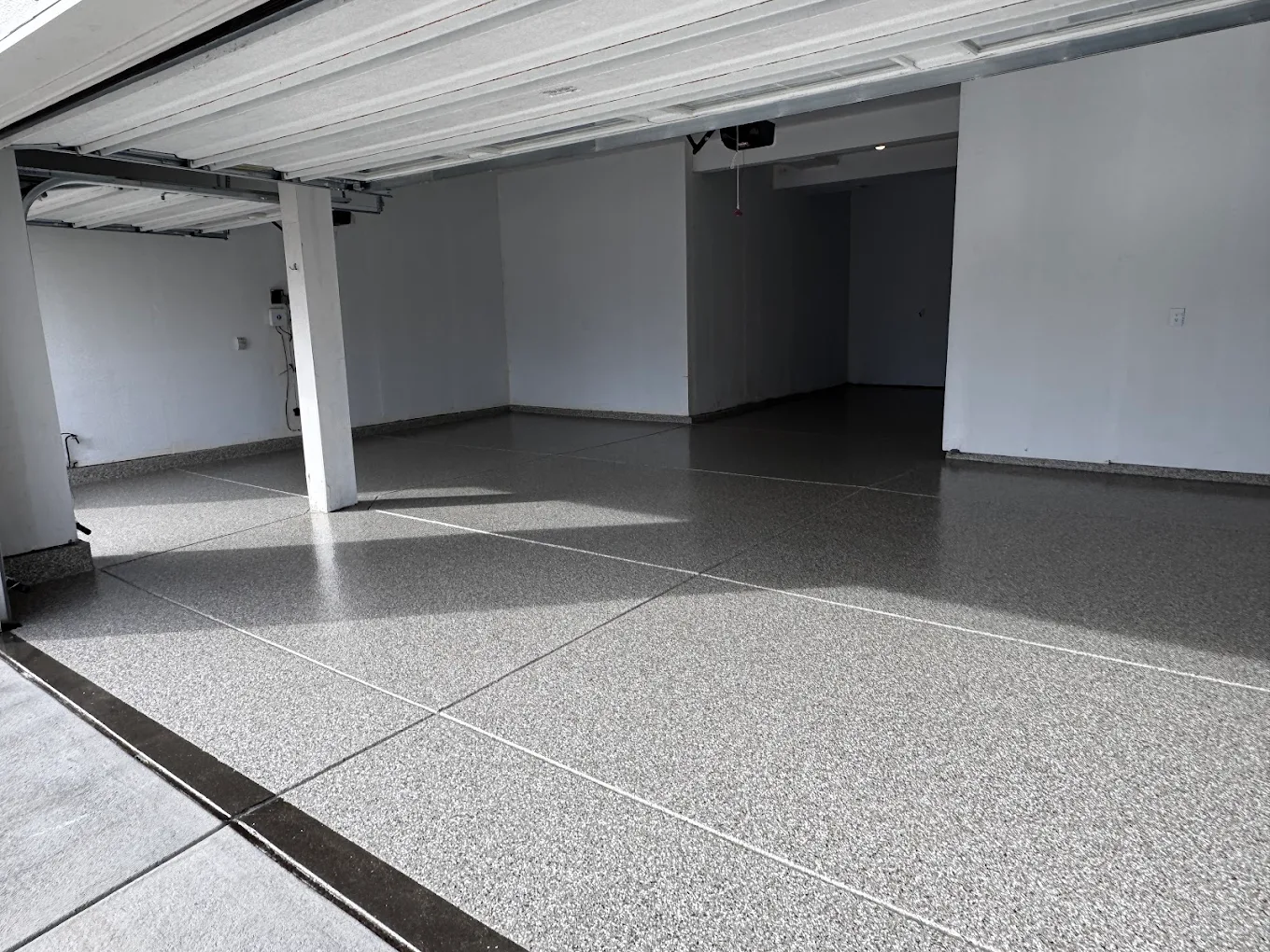
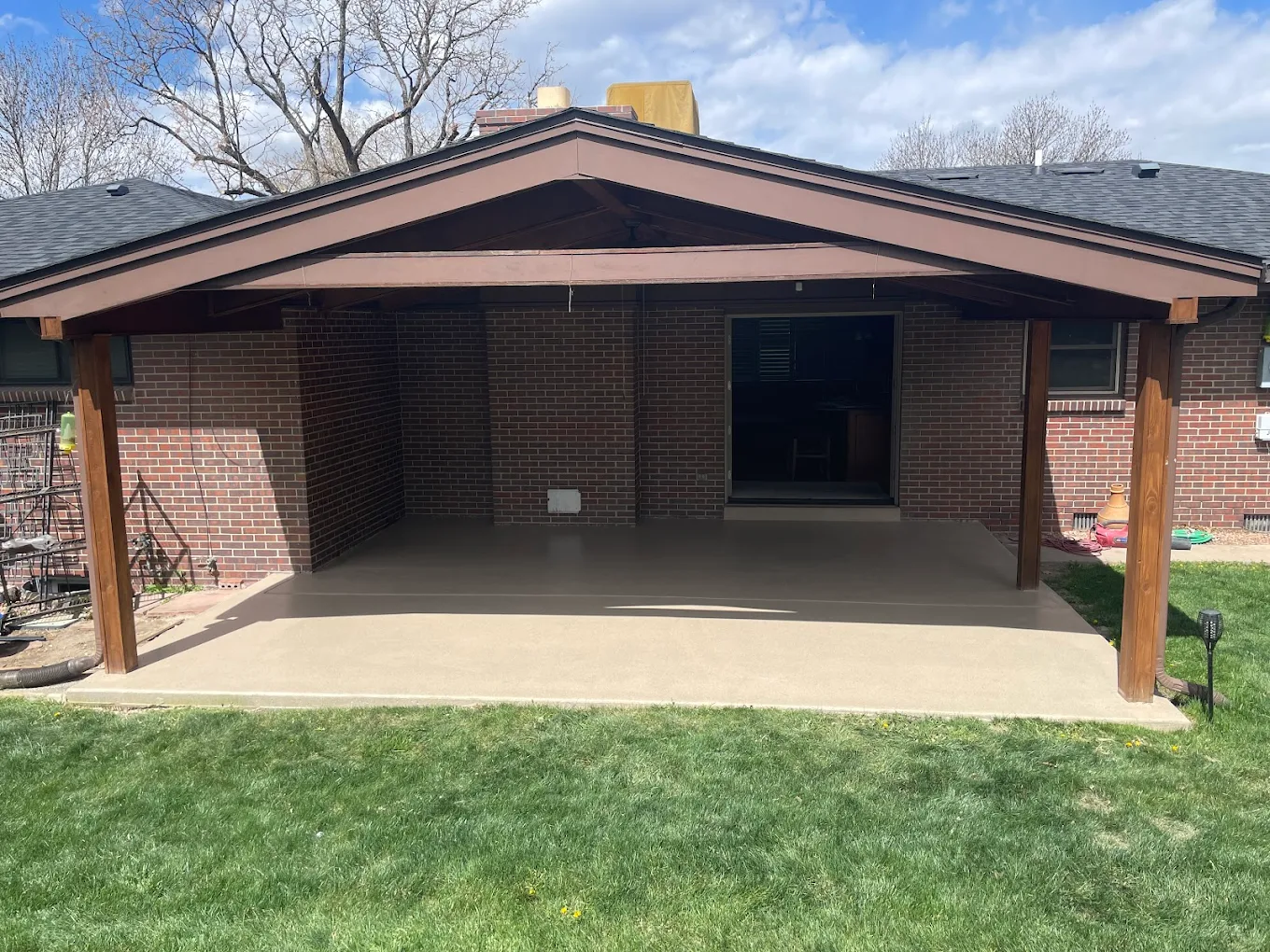
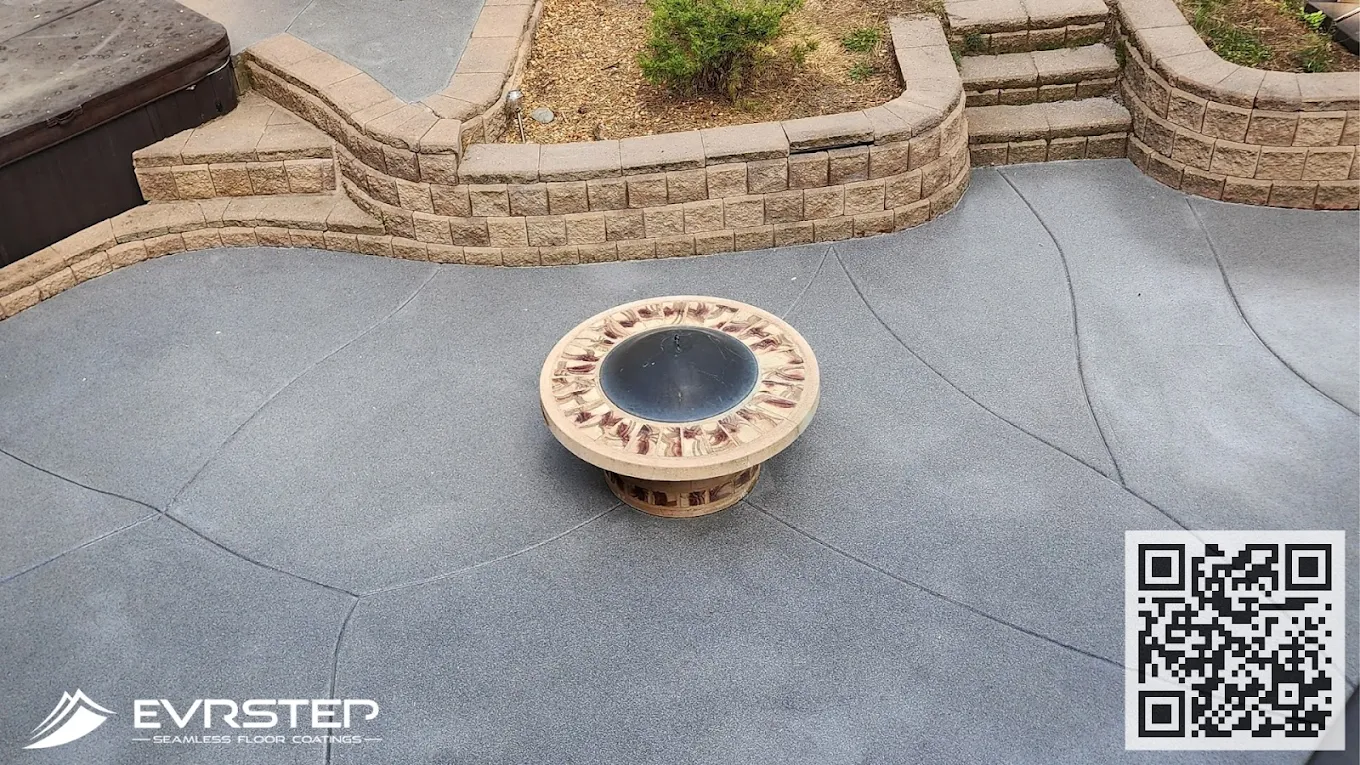
When epoxy turns sticky or tacky on outdoor projects, the culprit is almost always a failed cure caused by improper mixing ratios, cold temperatures, or excessive humidity. Industrial-grade products like Parker LORD 305 General Purpose Epoxy Adhesive are engineered for weather resistance and structural bonding, but even these high-performance formulas can’t overcome a botched chemical reaction.
A tacky surface means the resin and hardener never fully cross-linked, leaving you with a gummy mess instead of a rock-hard finish. Understanding what went wrong, and how to salvage the project, requires looking at both the mixing process and the environmental conditions during cure.
- Why Epoxy Stays Sticky: The most common causes are imprecise measurement of resin and hardener, incomplete mixing where material stuck to the container sides never got blended in, or outdoor air that was too cold or humid during the curing window to allow the chemical reaction to complete properly.
- How to Fix Tacky Epoxy: Scrape off any wet or severely gooey material, then wash the surface with warm soapy water or wipe with acetone to remove un-reacted amine blush; sand the sticky layer with 80 to 120 grit sandpaper to create mechanical grip (it will gum up the paper); mix a fresh, precise batch using the two-container method, mix in one cup, pour into a second clean cup, and mix again, then apply the new top layer in a warm, dry environment around 70°F to 75°F.
- What Outdoor Conditions It Faced: The temperatures and weather conditions during the drying period are critical diagnostic clues, as cold snaps, high humidity, or rapid temperature swings can all prevent epoxy from reaching full cure even when the initial mix was correct.
Sticky epoxy outdoors usually stems from mix errors, cold weather, or excess humidity. Fix it by cleaning, sanding, re‑mixing, and curing in a warm, dry environment.
Ever wondered why a fresh epoxy patio in Parker still feels tacky after a week? The frustration of a sticky surface can ruin a project and waste time and money.
In this guide we’ll unpack the hidden causes, from temperature windows to moisture traps, and give you clear steps to restore a solid finish that lasts through Colorado’s freeze‑thaw cycles.
Why Your Outdoor Epoxy Stays Tacky Even After Full Cure Time
In Parker’s high‑altitude climate, the chemistry of epoxy can stall if the substrate isn’t ready. Even when the manufacturer says the cure time is complete, a thin film of un‑reacted resin can linger, leaving a tacky feel.
The most common culprits are imprecise mix ratios, lingering moisture in the concrete, and temperature swings that halt the cross‑linking reaction. When any of these factors appear, the polymer network never reaches its full strength.
Key Factors
- Mix Ratio Accuracy: A deviation of just five percent in resin‑to‑hardener proportion can leave excess amine that never fully bonds, creating a soft surface.
- Surface Moisture: Concrete that releases more than 0.5 lb / ft² / day of vapor will trap water under the film, causing blushing and stickiness.
- Cold Weather: Temperatures below 50°F slow the reaction rate dramatically, often extending cure time beyond the label’s recommendation.
- High Humidity: Relative humidity above 85 % interferes with solvent evaporation, leaving a tacky skin that never hardens.
- Improper Scraping: Residue on the mixing cup walls can create pockets of unmixed material that cure unevenly, resulting in localized tackiness.
Understanding these mechanisms lets you diagnose the exact reason your epoxy feels sticky. In practice, a quick moisture test and a double‑check of your mix can save you a costly re‑coat and keep your Parker patio looking flawless.
How UV Exposure Breaks Down the Epoxy Cross‑Link Before You Notice
Sunlight at 5,800 feet brings intense UV that attacks the polymer chains of many epoxy systems. Even a clear, aliphatic topcoat can degrade if the base resin isn’t UV‑stabilized.
The breakdown starts at the molecular level, where UV photons break bonds, reducing cross‑link density and leaving a soft, tacky surface that appears weeks after installation.
UV‑Related Issues
- Inadequate UV Additives: Without proper stabilizers, the epoxy matrix loses rigidity, causing surface tackiness and color shift.
- Topcoat Failure: A thin aliphatic polyurethane topcoat can yellow and crack, exposing the underlying epoxy to direct UV.
- Temperature Amplification: UV heating raises surface temperature, accelerating chemical breakdown in already marginal cures.
- Salt‑Spray Interaction: De‑icing salts on a UV‑exposed patio can corrode the epoxy surface, creating micro‑cracks that feel sticky.
- Incorrect Curing: If the epoxy was cured at low temperature, its UV resistance is further compromised, making it more vulnerable.
The practical takeaway is to choose a UV‑stable system and verify that the topcoat meets outdoor specifications. In Parker, where sunshine is abundant, a proper UV barrier can mean the difference between a firm patio and a perpetual tacky mess.
The Temperature Window That Determines Whether Your Coating Ever Hardens
Every epoxy has a temperature sweet spot where the chemical reaction proceeds at optimal speed. In Parker, daytime highs can reach 90°F while night lows dip below freezing, making timing critical.
If the substrate temperature falls outside the 50°F‑80°F range, the cure either stalls or accelerates too quickly, both of which can leave a soft film.
Temperature Rules
- Optimal Range: Keep substrate and ambient temperature between 55°F and 75°F for most two‑component systems.
- Cold‑Start Strategy: Warm the concrete with portable heaters and cover it with a tarp to retain heat during early morning applications.
- Hot‑Start Caution: Avoid applying on a surface hotter than 85°F, as rapid evaporation can cause skinning and incomplete cure.
By monitoring temperature with a simple infrared thermometer, you can schedule work during the most stable window. This approach reduces the chance of a sticky finish and aligns with the manufacturer’s performance data.
What Humidity Does to Uncured Epoxy That Most Applicators Ignore
Humidity is a silent enemy for outdoor epoxy. When the air holds excess moisture, it seeps into the curing film, preventing full cross‑linking and creating a tacky layer.
In Parker’s summer months, relative humidity can spike after afternoon thunderstorms, catching contractors off guard.
Humidity Effects
- Moisture Vapor Emission: High RH raises the concrete’s moisture vapor emission rate, leading to blushing and surface tackiness.
- Amine Blush Formation: Moisture reacts with amine hardeners, forming a waxy film that feels sticky until removed.
- Delayed Cure: Elevated humidity slows the chemical reaction, extending cure time well beyond the label’s estimate.
- Surface Contamination: Condensation can carry dust and salts onto the wet epoxy, creating weak spots that stay tacky.
- Testing Requirement: Conduct a ASTM F2170 relative probe test before application; values above 75 % RH indicate a high risk of stickiness.
A practical habit is to schedule epoxy work on days with forecasted low humidity and to verify slab RH on site. This simple step can prevent the common surprise of a sticky patio after the job is done.
The Recoat Window Myth That Leaves Outdoor Surfaces Perpetually Sticky
Many installers think they can recoat immediately after the first layer feels tacky, but the chemistry doesn’t support that. The recoat window depends on the film’s cure state, not just elapsed time.
In Parker, rapid temperature changes can make a film appear dry while it’s still chemically active, leading to a second layer that never bonds.
Recoat Realities
- Film Hardness Test: Use a fingernail or a pull‑off gauge; if the surface yields, wait longer before recoat.
- Temperature Influence: Warm days shorten the recoat window, cold nights lengthen it; adjust schedule accordingly.
- Moisture Impact: High humidity can keep the film soft for up to 48 hours, even if the clock says 24 hours.
By respecting the true cure state, you avoid layering over a soft film, which would trap moisture and keep the surface sticky. Proper timing ensures a durable, non‑tacky finish that stands up to Parker’s weather.
Why Solvent‑Based Sealers Fix Tacky Epoxy Better Than Adding More Coats
When epoxy remains tacky, adding another epoxy layer often compounds the problem because the underlying chemistry never fully cured. A solvent‑based sealer, however, can dissolve the soft film and re‑bond it.
These sealers contain low‑VOC solvents that penetrate the tacky layer, allowing a fresh polymer network to form on top.
Sealer Benefits
- Penetration Power: Solvent carriers dissolve residual amine blush, creating a clean surface for a new bond.
- Rapid Drying: Unlike epoxy, many sealers cure within minutes, reducing exposure to temperature swings.
- Flexibility: The sealer’s flexible film accommodates minor substrate movement, preventing future delamination.
- UV Compatibility: Most solvent‑based sealers include UV inhibitors, protecting the underlying epoxy from sun damage.
- Ease of Application: A simple roller or sprayer can cover the area without the precise mix ratios required for epoxy.
In practice, applying a quality solvent‑based sealer after proper cleaning can restore a firm finish without the need for a full epoxy re‑coat. This method is especially useful for Parker homeowners who need a quick, reliable fix.
When a Sticky Surface Means Application Failure vs. Wrong Product Choice
Not every sticky result points to a bad cure; sometimes the product itself isn’t suited for the outdoor demands of Parker’s climate. Choosing the right chemistry is as important as proper technique.
Understanding the distinction helps you decide whether to troubleshoot the current coat or start over with a more appropriate system.
Decision Guide
- Failure Indicators: Persistent tackiness after 48 hours, despite correct mix and temperature, signals a product mismatch.
- Product Suitability: Epoxy formulations lacking UV stabilizers or flexible topcoats are prone to breakdown under high sun and freeze‑thaw cycles.
- Alternative Systems: Polyaspartic or aliphatic polyurethane topcoats provide better UV resistance and flexibility for exterior decks.
- Cost‑Benefit Analysis: Switching to a UV‑stable system may have higher upfront cost but reduces long‑term maintenance and re‑coating expenses.
By evaluating the symptom pattern and matching it to product specifications, you can avoid endless re‑coats and achieve a durable, non‑sticky finish that holds up to Parker’s weather extremes.
Securing a Non‑Sticky Outdoor Epoxy Finish
The key to a solid epoxy surface in Parker lies in mastering mix precision, respecting temperature and humidity windows, and selecting a UV‑stable system. When you address each factor, the sticky surprise disappears and the coating performs as intended.
Ready to eliminate tackiness from your next project? Test moisture, choose the right product, and follow the climate‑aware steps outlined here. For personalized guidance, reach out to a qualified local provider.
Author
This article was written by the EvrStep Epoxy Coatings Editorial Team, experienced professionals serving Parker. Our team focuses on educating clients and providing valuable insights to help them make informed decisions.