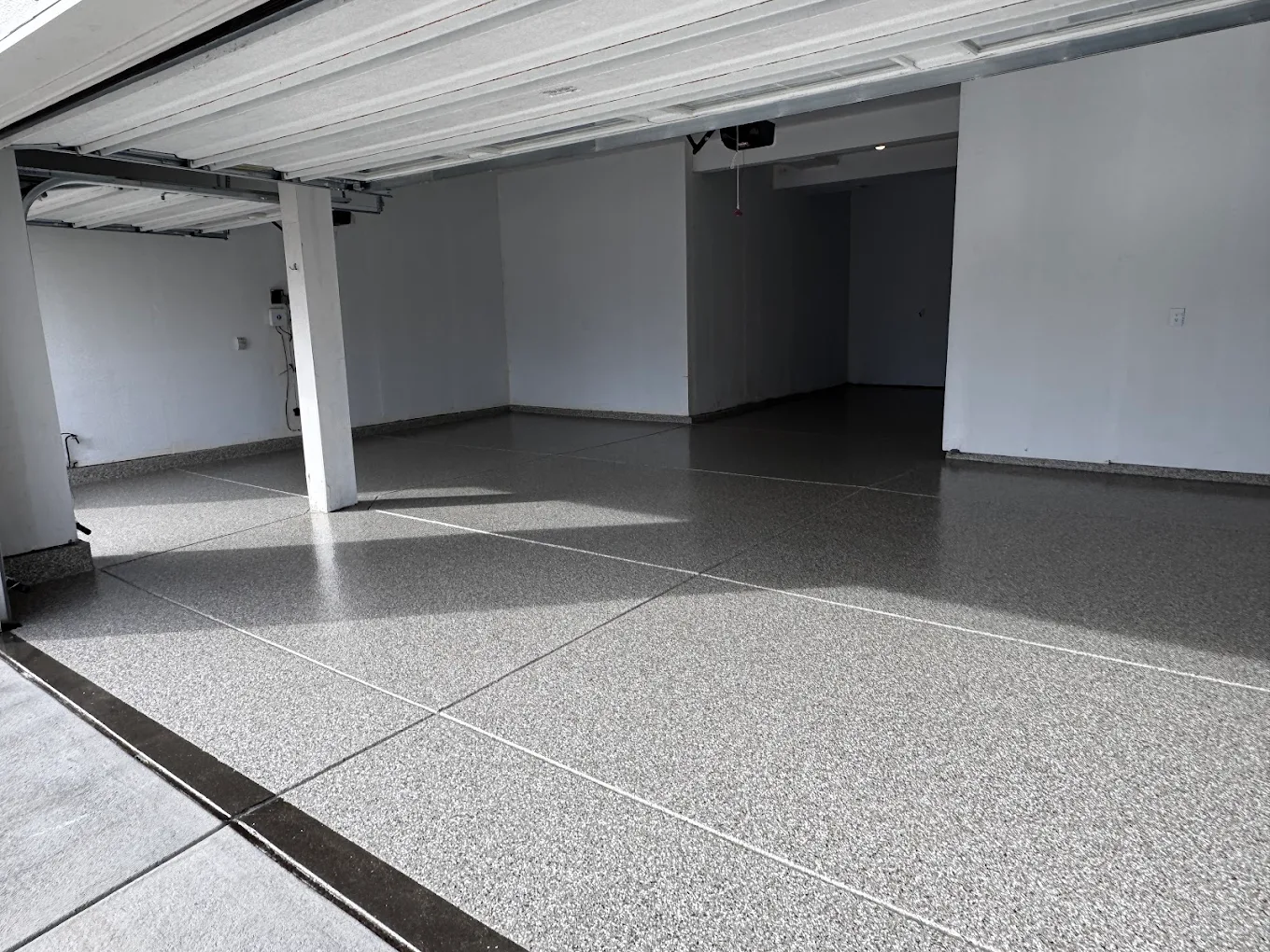
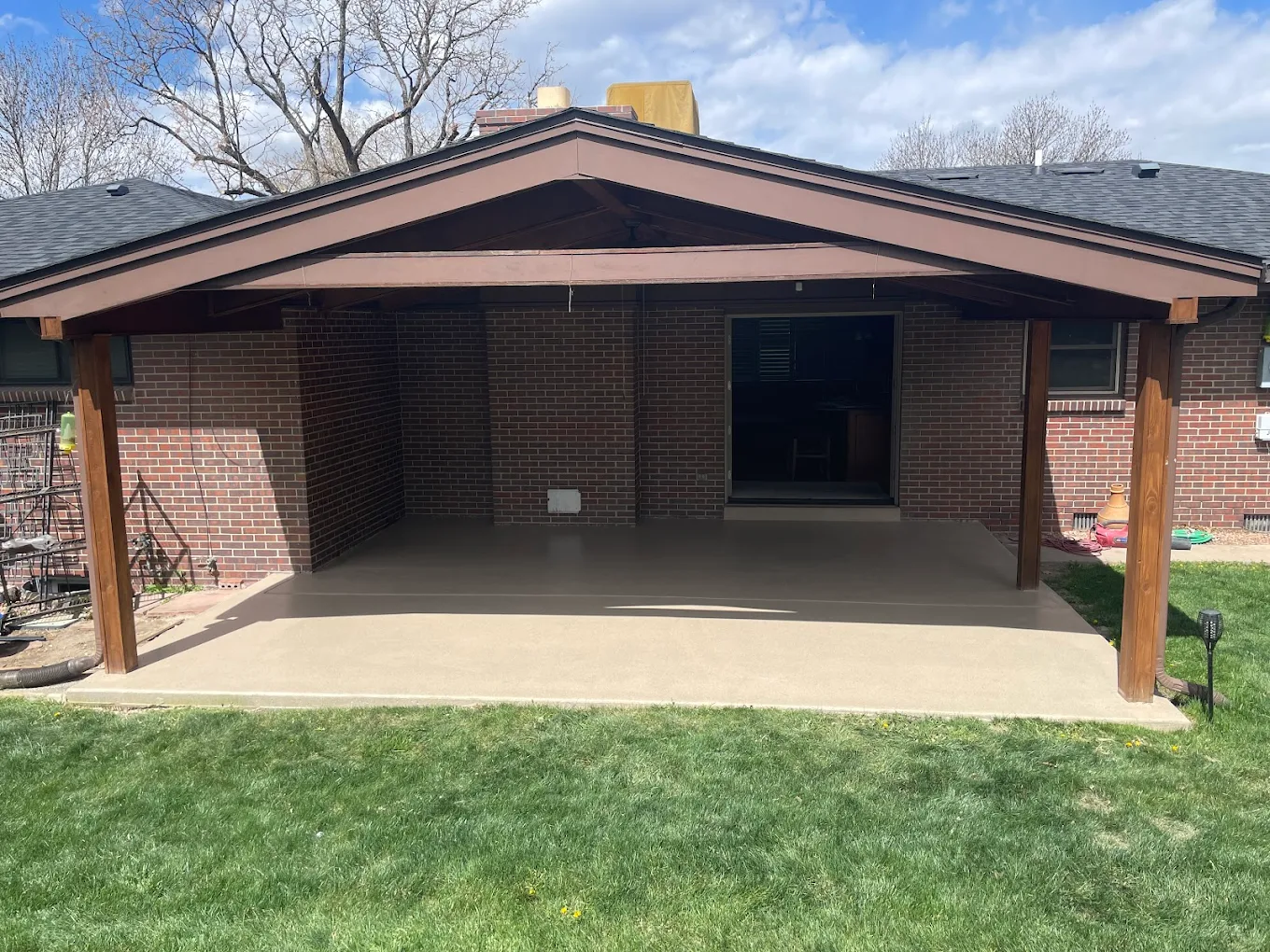
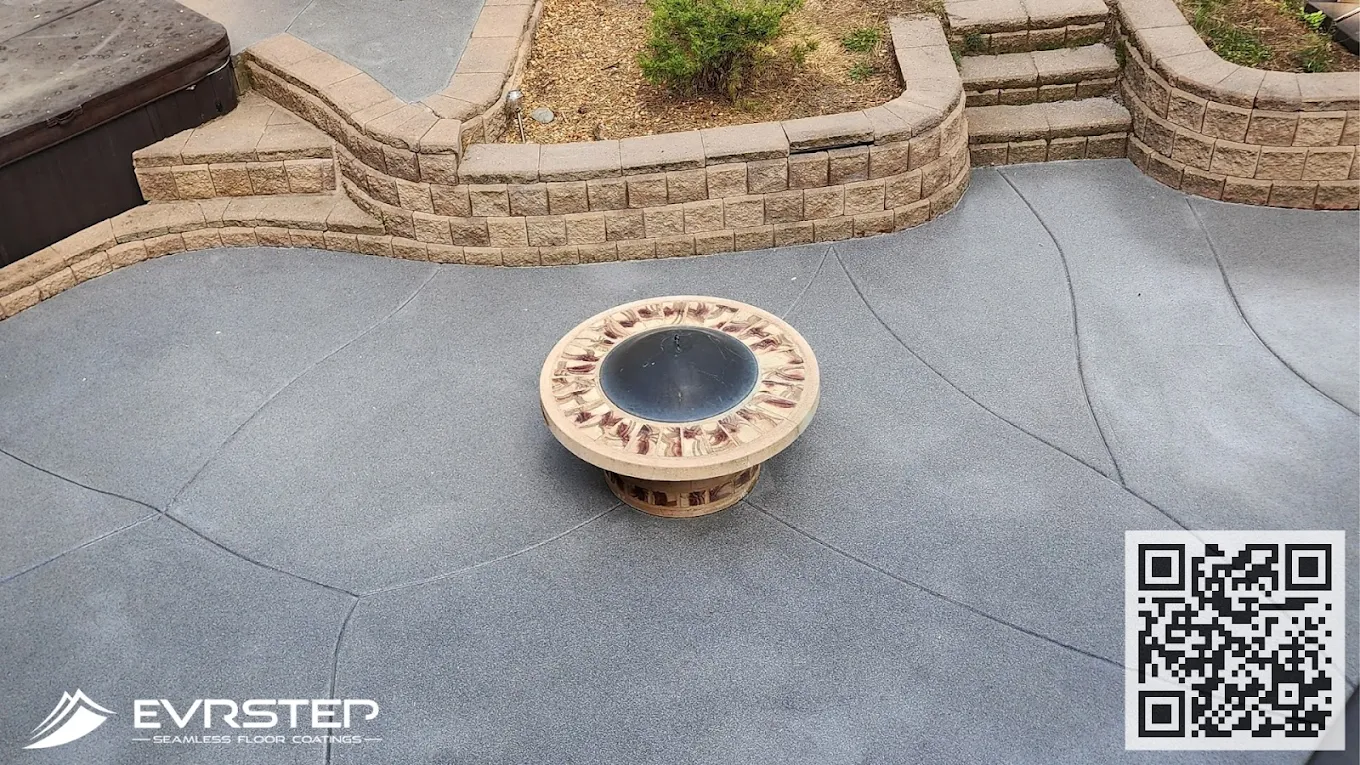
Epoxy flooring has become a top choice for commercial and industrial spaces thanks to its impressive durability and aesthetic appeal. But even the toughest flooring systems aren’t immune to wear and tear over time. Spotting the signs of deterioration in epoxy flooring is crucial for maintaining a safe, functional, and visually pleasing environment.
From subtle discoloration to noticeable cracks and peeling, these indicators may signal the need for immediate attention. Ignoring these early warnings can lead to more significant problems, jeopardizing safety and potentially resulting in hefty repair costs. By understanding how to recognize wear, you take the first step toward preserving your investment and ensuring optimal performance.
In this blog, we’ll delve into why recognizing wear in epoxy flooring is so important and how you can keep your floors looking and functioning at their best. Whether you’re managing a busy warehouse or an office space, being proactive about maintenance can make all the difference. Let’s explore the essential signs of wear and how to address them, so you can maintain a safe and attractive environment for everyone.
Impact on Safety and Aesthetics
The wear and tear on epoxy flooring significantly impacts both safety and aesthetics in commercial and industrial settings. As these surfaces age, they become vulnerable to various issues that can endanger individuals’ well-being and detract from the professional look of the space. Regular maintenance is crucial; the exceptional durability of commercial epoxy flooring can greatly reduce wear when properly cared for.
One major safety concern tied to worn epoxy flooring is the heightened risk of slips and falls. As protective layers begin to fail, the floor’s slip-resistant qualities diminish, creating dangerous conditions in high-traffic areas. This is especially critical in industrial environments, where stable footing is essential for worker safety. Moreover, visible signs of wear—like scratches and discoloration—not only mar the floor’s appearance but may also signal deeper structural issues that could further compromise safety.
As epoxy surfaces deteriorate, they can trap dirt, stains, and potentially hazardous materials. This accumulation not only affects the floor’s look but also complicates cleaning and may lead to unsafe conditions. It’s vital to regularly check for signs of wear to ensure the flooring system’s integrity and maintain its protective features.
Taking prompt action to address visible wear is key to preserving both safety and aesthetics. By keeping the epoxy flooring looking professional, businesses can foster a welcoming atmosphere for clients and employees while ensuring safety standards are upheld. Recognizing and tackling wear on epoxy flooring is an essential part of facility management, balancing the need for safety with the desire for a polished, professional workspace.
Common Signs of Epoxy Wear
Facility managers and property owners need to be vigilant about the signs of epoxy floor wear. Recognizing these indicators early can help prevent more extensive damage and costly repairs later on. One of the most common signs of wear is discoloration. Persistent stains and fading typically indicate material breakdown, often due to prolonged UV exposure or chemical spills. These changes not only detract from the floor’s appearance but may also signal the need for professional evaluation or replacement. Using high-quality coatings can minimize this kind of deterioration since they are designed to resist UV damage and maintain their color and gloss over time.
Surface scratches are another important sign of epoxy degradation. Frequent marks and abrasions suggest a weakening topcoat, which can affect both the floor’s appearance and its long-term durability. Likewise, peeling or flaking epoxy may indicate poor adhesion, possibly stemming from improper installation or moisture issues, and should be addressed promptly by professionals.
The presence of chalking—a powdery residue on the floor—is a clear indication of breakdown in the epoxy layer. This condition often requires maintenance or reapplication to restore the floor’s protective properties. Perhaps the most concerning signs are cracks and chips in the epoxy surface. If left unaddressed, these small imperfections can expand under heavy loads or traffic, leading to significant structural damage and potential safety hazards.
Regular inspections and timely maintenance can help mitigate these issues, ensuring that your epoxy floors remain safe, durable, and visually appealing for years to come.
Importance of Regular Inspections
Regular inspections are crucial for maintaining the longevity and quality of epoxy flooring. They allow facility managers and property owners to catch signs of wear early, enabling timely maintenance practices. By identifying issues like discoloration, surface scratches, or peeling, inspections can prevent potential damage that may compromise the integrity of the epoxy surface. Using high-quality materials during installation further enhances durability, making the flooring more resilient to wear and tear.
One key advantage of consistent evaluations is the ability to identify high-traffic areas that might need extra protective measures. This proactive approach can lead to targeted solutions, such as strategically placed mats or additional coatings, to reduce excessive wear in these vulnerable spots. Routine inspections also uncover structural issues, like cracks or chips, that could escalate into more significant problems if left unaddressed, potentially resulting in costly repairs or even complete replacement of the flooring.
Bringing in professionals for these inspections ensures compliance with industry best practices and manufacturer guidelines. Their expertise not only helps maintain the aesthetic appeal of the epoxy surface but also protects its functional properties. Professionals can spot subtle signs of degradation that might be overlooked by untrained eyes, allowing for early intervention and potentially extending the lifespan of the flooring.
Differentiating Normal Aging From Damage
Regular inspections are crucial for understanding the condition of epoxy flooring, but it’s just as important to accurately interpret those findings. Knowing how to differentiate between normal aging and damage is essential for maintaining the integrity of your epoxy flooring and determining the right maintenance strategies.
Normal aging in epoxy flooring usually shows up as minor surface wear, like light scratches and a gradual loss of gloss. These issues can often be managed with regular maintenance and cleaning, helping to ensure the durability and longevity of epoxy flooring. Discoloration from aging tends to be uniform and mild, affecting the floor’s appearance evenly.
On the other hand, damage to epoxy flooring presents more serious symptoms that need immediate attention. Deep scratches, cracks, or peeling often point to underlying problems, which can arise from poor installation or environmental factors. Damage-related discoloration might appear as uneven patches or stains, indicating possible chemical exposure or substrate failure. If these issues are ignored, they can lead to rapid deterioration.
While normal aging can be handled with routine care, damage usually requires a professional assessment and possibly repairs or replacement to ensure safety and functionality. Recognizing the difference between these two situations is key to developing effective maintenance plans and preserving the flooring’s longevity.
Cost-Effective Preventative Measures
Cost-Effective Preventative Measures
Facility managers know that maintaining epoxy flooring doesn’t have to be expensive. By adopting cost-effective preventative measures, they can significantly extend the life of epoxy surfaces while sidestepping costly repairs or replacements. A straightforward approach is to establish a regular maintenance routine that includes daily sweeping and prompt spill cleanups. These simple actions prevent abrasive wear and stubborn stains, addressing the needs for epoxy flooring without incurring high costs. Moreover, with the focus on stylish, durable flooring options, managers can feel confident that maintaining the flooring is a wise investment.
Early detection of potential issues is vital for preserving epoxy flooring. Regular inspections help facility managers spot signs of wear, like scratches or discoloration, before they evolve into more serious problems. This proactive strategy allows for timely, cost-effective repairs that can lead to substantial savings in the future. Additionally, placing protective mats in high-traffic areas is an inexpensive yet effective way to reduce dirt buildup and minimize wear on the epoxy surface.
The type of cleaning products used is also crucial for maintaining epoxy flooring. Choosing pH-neutral cleaners and steering clear of harsh chemicals prevents damage to the epoxy surface, ensuring its durability and reducing the need for pricey refinishing. By integrating these preventative measures into a comprehensive maintenance plan, facility managers can tackle minor issues before they escalate. This strategic approach not only preserves the aesthetic appeal of epoxy flooring but also maximizes its functional lifespan, ultimately leading to considerable cost savings over time.
Timely Repair and Replacement Decisions
One of the most important aspects of maintaining epoxy flooring is making timely decisions about repairs and replacements. Regular inspections and maintenance help detect potential issues early, preventing extensive damage and costly repairs. Facility managers should look for signs of wear, such as discoloration, surface scratches, peeling, or cracks, to determine if a repair or a complete replacement is necessary. Exploring options like UV-Stable Polyaspartic Coatings can offer enhanced durability and aesthetic appeal, providing a long-term solution for facilities.
Prompt repairs can significantly extend the lifespan of epoxy flooring, which typically lasts between 10 to 20 years. Addressing minor issues, like fixing cracks or surface imperfections, can prevent damage to the underlying concrete and maintain the flooring’s integrity. Early intervention also helps preserve the safety and visual appeal of the surface, reducing risks associated with uneven flooring and improving the overall user experience.
Regular inspections are crucial for identifying wear patterns and environmental factors that may affect the flooring’s condition. This proactive approach allows facility managers to make informed decisions about whether to repair or replace the flooring, ultimately saving time and money on larger repairs or replacements. By understanding the typical lifespan of epoxy flooring and monitoring its condition, managers can make cost-effective choices that balance immediate needs with long-term maintenance strategies. Recognizing and addressing wear in epoxy flooring is essential for maintaining its functionality, safety, and visual appeal while optimizing maintenance budgets and minimizing disruptions to operations.
The Importance of Recognizing Wear in Epoxy Flooring
Regularly recognizing wear in epoxy flooring is crucial for maintaining both safety and aesthetic appeal in commercial and industrial settings. Timely detection through consistent inspections allows for necessary interventions, which can prevent minor issues from developing into expensive repairs or replacements. By being aware of the signs of deterioration and adopting proactive maintenance strategies, facilities can significantly enhance the longevity of their epoxy floors. This approach not only reduces long-term costs but also ensures a safe working environment for all personnel.
EvrStep Seamless Coatings understands the importance of monitoring and maintaining epoxy flooring systems effectively. Our expertise in the field enables us to assist businesses and residential homes in the Denver Metro area with tailored solutions that address specific wear issues. With our commitment to quality and reliability, we help extend the lifespan of your flooring while safeguarding your investment. By choosing our services, you can achieve a secure and visually appealing environment that meets your operational needs, ensuring optimal performance for years to come. If you are looking for professional assistance, consider exploring our offerings related to epoxy flooring maintenance solutions.